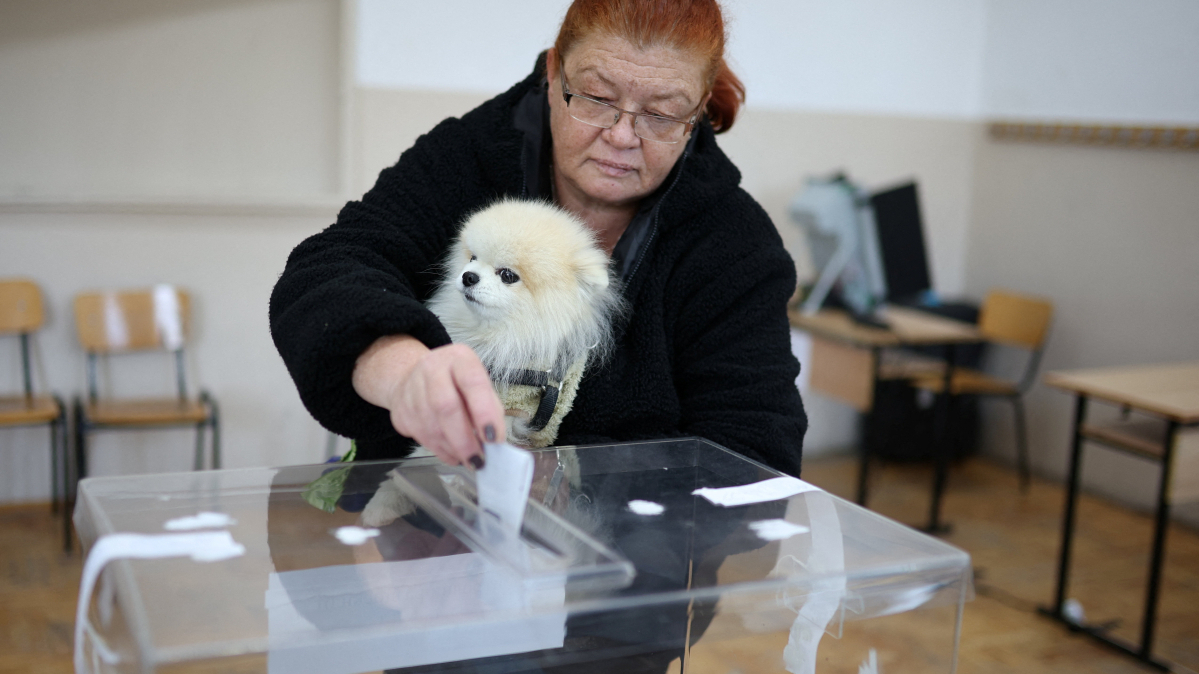
Bulgarians are voting in a presidential election on Sunday as deadly drone attacks on merchant vessels in the Black Sea raise security concerns and expose divisions over the country's response to Russia's war in Ukraine.
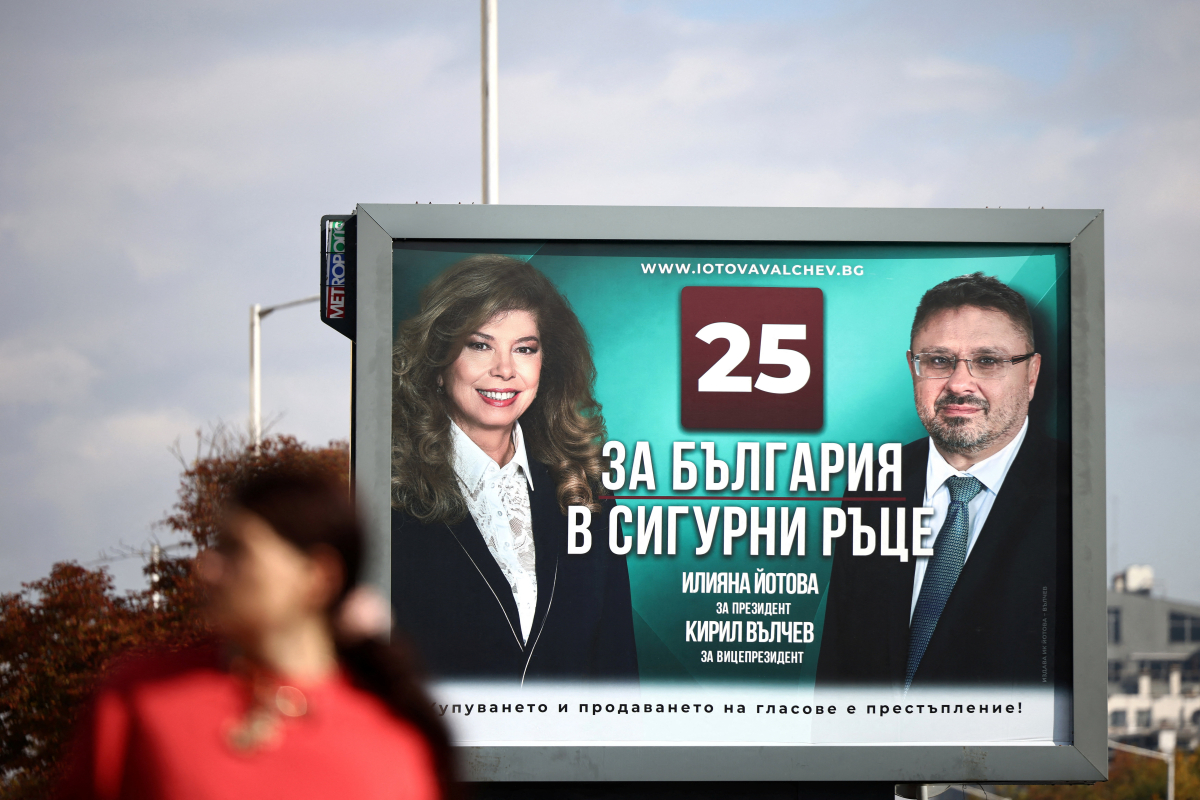
Acting President Iliana Iotova, 61, and former caretaker prime minister Andrey Gyurov, 50, lead a field of 27 candidates, with opinion polls pointing to a possible runoff on 1 November.
The vote comes after a series of drone strikes on commercial ships off Bulgaria's coast that are believed to have killed around two dozen international seafarers, according to Reuters.
The attacks prompted Sofia to seek assistance from its allies to strengthen maritime security, bringing the consequences of the war in Ukraine closer to the European Union and NATO member state.
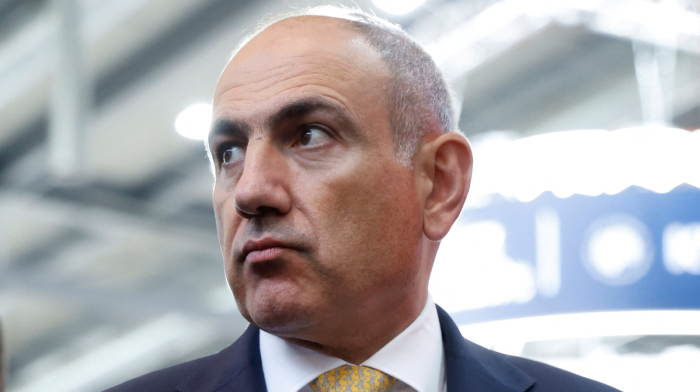
Bulgaria has not directly accused Russia of carrying out the strikes. Prime Minister Rumen Radev, however, said their outcome “benefits the Russian Federation”.
Two candidates, different approaches to Ukraine
Both leading candidates have condemned the attacks, but their positions on the wider conflict differ.
Gyurov, backed by pro-Western reformist parties, supports Ukraine and closer cooperation with NATO allies. During his time as caretaker prime minister, he signed a security cooperation agreement with Kyiv.
At a campaign rally on Thursday, Gyurov called for Bulgaria to be a reliable NATO ally, defending its interests through military preparedness and diplomacy.
Iotova, who became acting president in January after Radev resigned to enter parliamentary politics, favours a diplomatic resolution to the war.
She has the backing of Radev, who resigned from the presidency earlier this year to enter parliamentary politics and subsequently won the election.
“My opponents argue that there must be a war of attrition,” Iotova told supporters on Thursday. “The truth is, we are all the ones who are most exhausted.”
A victory for Iotova would make her Bulgaria's first elected female president.
Black Sea security carries economic stakes
The growing security concerns also carry economic implications for Bulgaria, whose maritime ports remain important to regional trade.
Bulgarian seaports handled 27.49 million tonnes of cargo in 2025, down 6.9 per cent from the previous year, according to the country's National Statistical Institute.
The figures underline the scale of commercial activity dependent on Bulgaria's maritime infrastructure, although the decline predates the recent drone attacks.
Regional security cooperation has also expanded.
In July, Bulgaria, Romania and Türkiye agreed to extend the responsibilities of their joint Black Sea mine-countermeasures group to include protecting critical undersea infrastructure.
According to Romania's Ministry of National Defence, the agreement aims to strengthen maritime security and cooperation among the three NATO allies.
The cooperation highlights the regional importance of protecting shipping routes and undersea infrastructure, concerns brought into focus by the recent attacks.
What do the polls show?
A survey by Alpha Research puts Iotova ahead with 41 per cent support, compared with 28 per cent for Gyurov, according to Reuters.
Although Bulgaria's presidency is largely ceremonial, the office carries constitutional responsibilities, including command of the armed forces and the power to veto legislation.
The election is therefore also a test of the country's political direction as the war in neighbouring Ukraine continues to affect regional security.
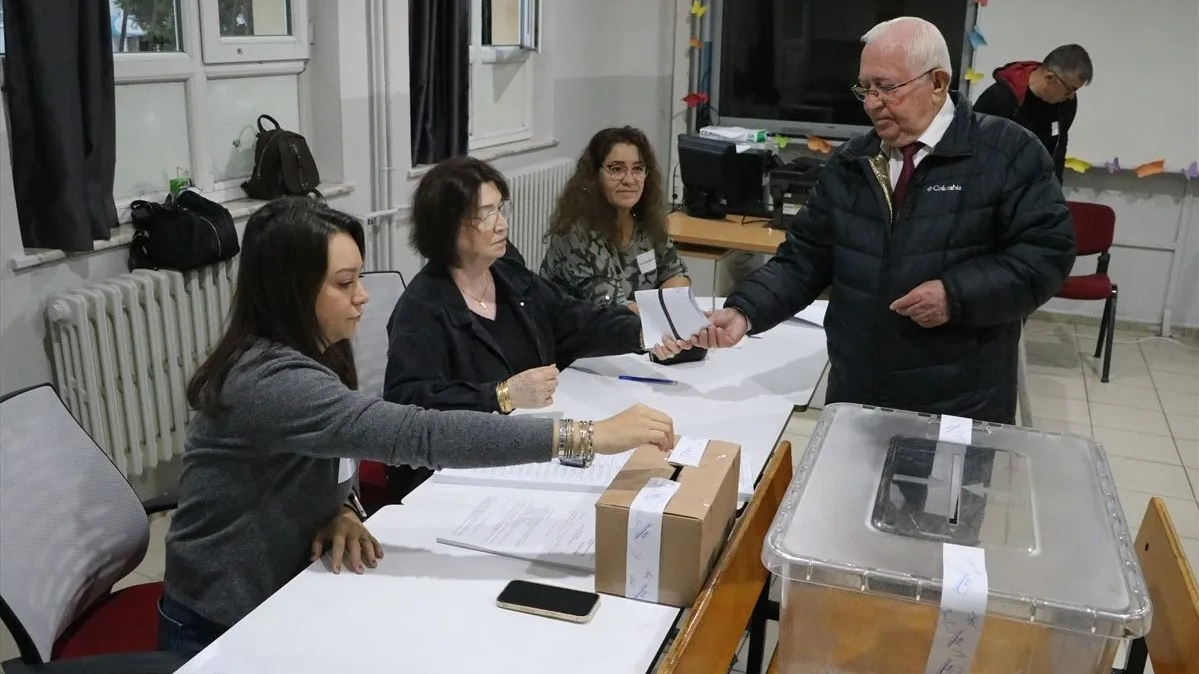
Voting began at 7 a.m. local time on Sunday (25 October), with polling stations scheduled to close at 8 p.m.
If no candidate secures the required first-round majority, Bulgarians will return to the polls for a runoff on 1 November.















What is your opinion on this topic?
Leave the first comment