If you tried to visit a government website in Europe on Wednesday and found it down, you weren’t alone. Agencies across the continent pulled their sites offline after serious security flaws were discovered in PHP, the programming language quietly running behind most of the world’s websites.
The Netherlands was hit especially hard. Websites run by government agencies, the Port of Rotterdam, the national football association KNVB and several hospitals were all taken down while their teams worked on fixes.
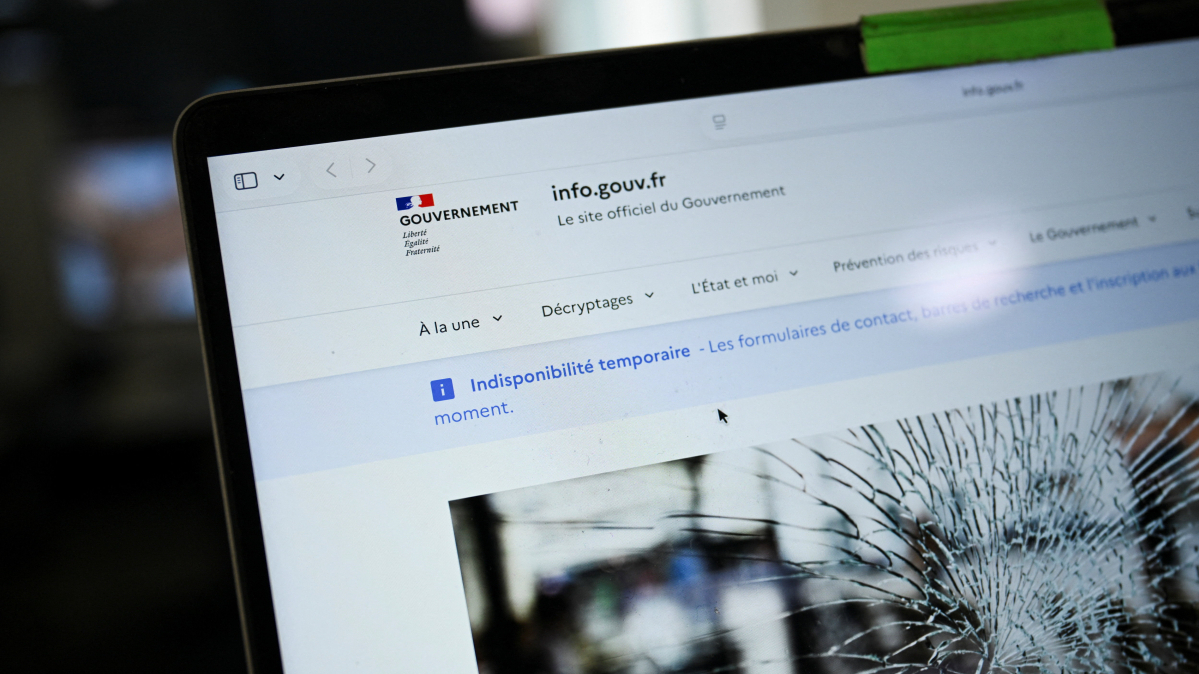
In Finland, the state IT services provider Valtori switched off public web services, and in France, ministry websites were put into “preventive maintenance”, the official way of saying they were taken offline to be safe.
Even Wikipedia was affected. The Wikimedia Foundation, which runs the online encyclopaedia, said it had taken some of its systems offline until they could be safely patched. Other organisations across Europe reported similar precautionary shutdowns throughout the day.
What went wrong
The PHP development team released urgent security updates on 21 October and warned that the two flaws, nicknamed PHP2Shell, were serious. In simple terms, they could let hackers take control of a website’s server without needing a password or any login at all.
That’s about as bad as it gets for a website. Once attackers control a server, they can steal data, plant malicious code or bring the whole site down.
The EU’s cybersecurity response team, CERT-EU, told organisations to install the fixes immediately. Those that couldn’t do so right away were advised to cut off or take down vulnerable services, which is exactly what many did.
Found by AI
What makes this case unusual is how the flaws were found: with the help of artificial intelligence.
Cybersecurity company Wiz, owned by Google, said its researchers used AI tools, including models from Google and OpenAI, to dig through PHP’s code and spot weaknesses that had gone unnoticed for years. Wiz reported the problems to the PHP team back in August, giving developers time to prepare fixes before going public. Security firm Calif said it had also used AI to identify the flaws.
Experts say it’s a sign of how much AI is changing cybersecurity. The same tools that help researchers find hidden bugs could help hackers too, and much faster than before.
Internet security company Cloudflare said it had already spotted attack attempts targeting the flaws, after details leaked online before the official announcement. Australia’s cyber agency, however, said it was not aware of any active attacks at the time of its assessment.
Why it matters
PHP might not be a household name, but it powers nearly 70 per cent of websites whose technology can be identified, from online shops to blogs and news sites built on popular platforms such as WordPress and Drupal. That’s why one flaw in PHP can ripple across so much of the internet at once.
The flaws affect all PHP versions released over roughly the past decade. Fixes are available for the newest versions, but websites still running older, unsupported versions will need a full upgrade to be protected.
Security agencies are urging website operators to update as soon as possible. For most people browsing the web, there’s nothing to do except be patient while the sites come back online.
Read more:




















What is your opinion on this topic?
Leave the first comment