Democratic Congresswoman Ilhan Omar has accused the Trump administration of using federal law enforcement for political purposes after authorities searched her Washington-area home as part of an ongoing criminal investigation.
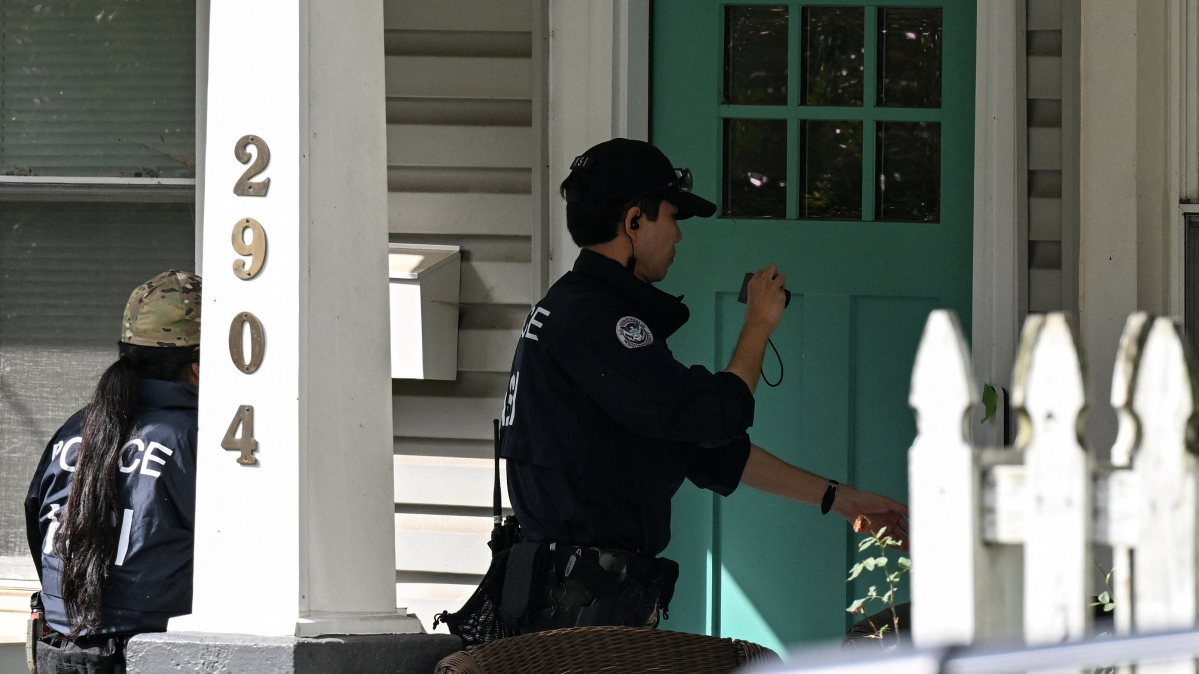
Federal officials confirmed that Homeland Security Investigations agents executed a court-authorised search warrant at the property on Monday.
Authorities have not publicly released detailed information about the investigation, but individuals familiar with the matter say it is linked to questions surrounding immigration documents submitted on Omar's behalf when she was a child after arriving in the United States from Somalia.
The Minnesota lawmaker swiftly condemned the operation, portraying it as a politically motivated attempt to intimidate a prominent critic of President Donald Trump.
In a statement posted on social media, Omar said she believed federal agencies were being used against political opponents, arguing that she had been subjected to years of attacks from Trump and his allies.
The congresswoman described the search as the latest step in what she called a broader campaign against her and insisted she would not be intimidated.
Timing raises questions
The search took place less than a month before Americans head to the polls in congressional elections that could shape the balance of power in Washington.
The timing has drawn criticism from Democratic leaders, who noted that the Justice Department has traditionally sought to avoid overt investigative actions involving political candidates close to an election.
Senior Democrats accused the administration of targeting a sitting member of Congress during an active election campaign, while Minnesota Democratic officials described the operation as an abuse of power.
Republicans, however, have argued that no individual should be exempt from investigation if allegations of wrongdoing exist.
Omar has been one of Trump's most outspoken opponents since entering Congress in 2019 and has frequently found herself at the centre of political controversies.
The Somali-born congresswoman has repeatedly clashed with the president over immigration, foreign policy and civil rights issues. Trump has often singled her out in speeches and campaign rallies, while Omar has accused him of using anti-immigrant and anti-Muslim rhetoric.
In recent years, Republicans have raised questions about Omar's immigration history and family records, allegations that she has consistently rejected as politically motivated attacks.
Investigation fuels wider debate
Since Trump's return to office, several investigations involving political figures have sparked accusations from Democrats that the administration is pursuing critics and opponents through legal channels.
Supporters of the administration maintain that law enforcement agencies must be allowed to pursue investigations without political interference, regardless of a person's position or party affiliation.
Despite the controversy, Omar remains heavily favoured to retain her congressional seat. The representative, a leading figure among progressive Democrats, is seeking another term representing a district centred around Minneapolis.
The search of her residence is unlikely to alter the outcome in her strongly Democratic constituency, but it may become a focal point in the broader national debate over immigration, political accountability and the role of federal law enforcement.
With the November elections approaching, the investigation is expected to remain under close scrutiny from both parties as questions persist about its origins, timing and potential political consequences.
Read more:




















What is your opinion on this topic?
Leave the first comment