NATO Secretary General Mark Rutte has confirmed the defense spending pledge for NATO countries will increase.
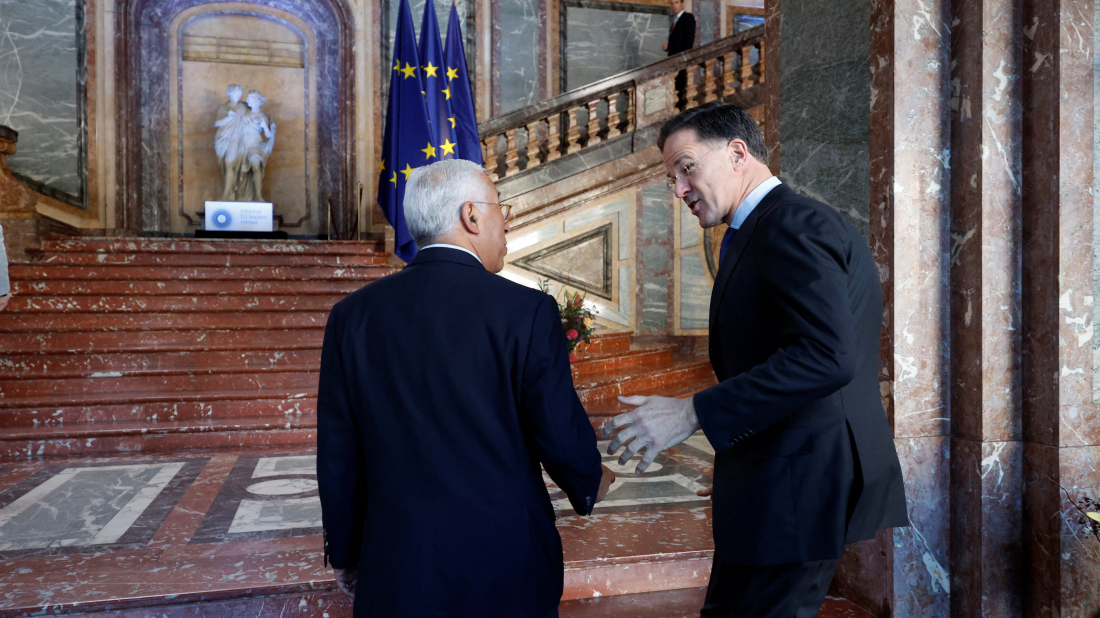
NATO Secretary General Mark Rutte has confirmed that the upcoming defense spending pledge for NATO countries will significantly exceed 2% of GDP. Rutte made the announcement ahead of an informal defense retreat in Brussels with EU leaders and British Prime Minister Keir Starmer, stating that the exact figure would be decided later in 2025, based on the assessment of each member's defense capabilities.
"We are now assessing the gaps with each of the allies between where we are and where we should be," Rutte explained. "Based on that, we will decide on the new defense spending pledge. But it will be considerably higher than 2%, I can assure you."
The pledge comes as NATO seeks to address defense capabilities across its member states. The alliance has faced growing pressure, particularly from the United States, which has called on NATO's European members to allocate 5% of their GDP to defense—a target no NATO member currently meets.
In 2024, EU countries spent an average of 1.9% of their GDP on defense, totaling approximately 326 billion euros ($334.48 billion). This represented a 30% increase from the previous year, according to EU estimates.
During the retreat, Rutte also addressed concerns raised by U.S. President Donald Trump regarding the "high north" region, which includes Greenland, Iceland, Norway, Finland, Sweden, and Canada. Trump has emphasized the strategic importance of the area, and Rutte agreed, stressing the need for NATO to take collective action.
"My stance is we have to ramp up defense spending, we have to ramp up defense production," said Rutte. "We have very good discussions with Denmark and, of course, with all the allies, and it's absolutely clear that Trump is right when it comes to the high north, that we have to do more collectively."
Rutte's comments came as the NATO summit in Brussels unfolded, overshadowed by President Trump's recent decision to impose tariffs on imports from the EU, following similar actions on goods from Canada, Mexico, and China.
As NATO continues to evaluate defense capabilities and spending commitments, Rutte’s assurances signal a determination to strengthen the alliance's collective security in the face of evolving global challenges.













What is your opinion on this topic?
Leave the first comment