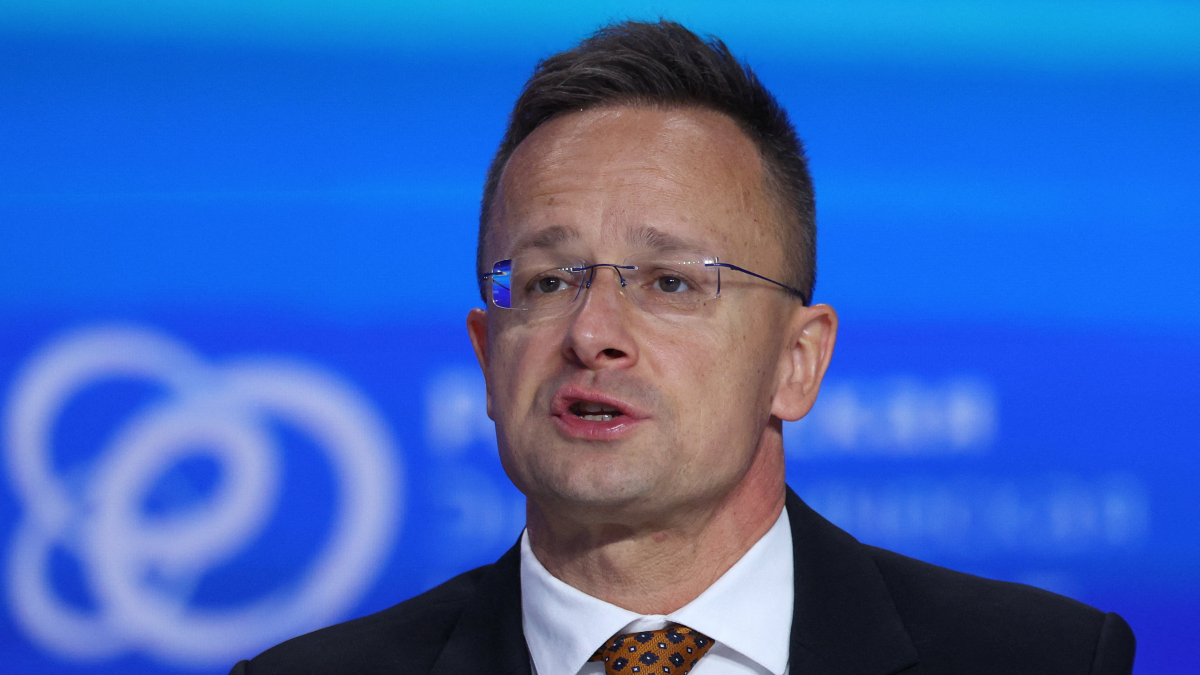
Hungary has strongly criticised NATO Secretary-General Mark Rutte’s warning that Russia could be capable of attacking the alliance within five years, with Foreign Minister Péter Szijjártó describing the remarks as irresponsible and dangerous.
In a statement posted on the U.S. social media platform X on Friday, Szijjártó accused Rutte of making alarmist claims by suggesting NATO could be Russia’s next target and by linking Ukraine’s security directly to that of the alliance.
Hungary, a NATO member state, firmly rejects this assessment, Szijjártó said, arguing that European security is guaranteed by NATO itself rather than by Ukraine. He stressed that Kyiv is fighting for its own national security, not on behalf of the alliance.
The Hungarian foreign minister also suggested that Rutte’s comments undermine diplomatic efforts led by the United States to pursue a negotiated settlement to the war, claiming the remarks contradict ongoing discussions around a U.S.-backed peace initiative involving Ukraine and Russia.
He warned that heightened rhetoric risks escalating tensions at a time when restraint and diplomacy are needed, calling on NATO leadership to avoid statements that could further inflame the conflict.
Rutte made the comments on Thursday during a speech at an event linked to the Munich Security Conference in Berlin, urging NATO members to increase defence spending and strengthen deterrence. He said Russia’s war-focused economy could enable it to pose a direct military threat to the alliance within five years.
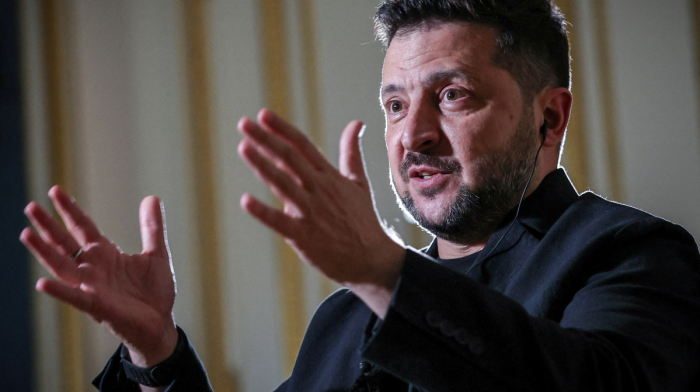
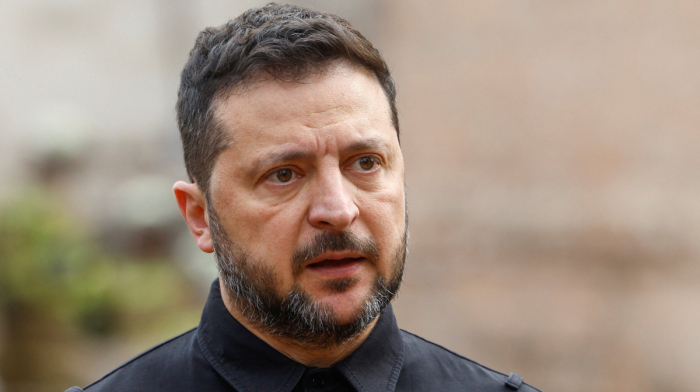
Meanwhile, Ukrainian President Volodymyr Zelenskyy said on Friday that Ukraine is pursuing parallel diplomatic tracks with European partners and the United States, focusing on security guarantees, economic recovery and broader coordination aimed at ending the war.















What is your opinion on this topic?
Leave the first comment