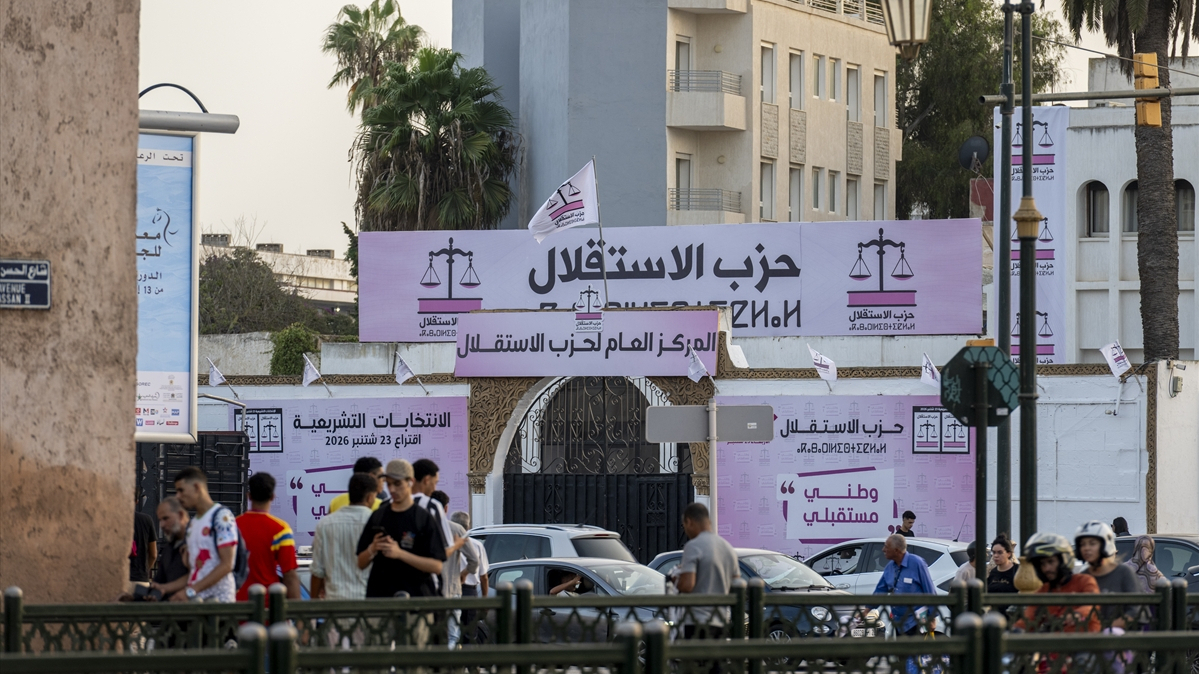
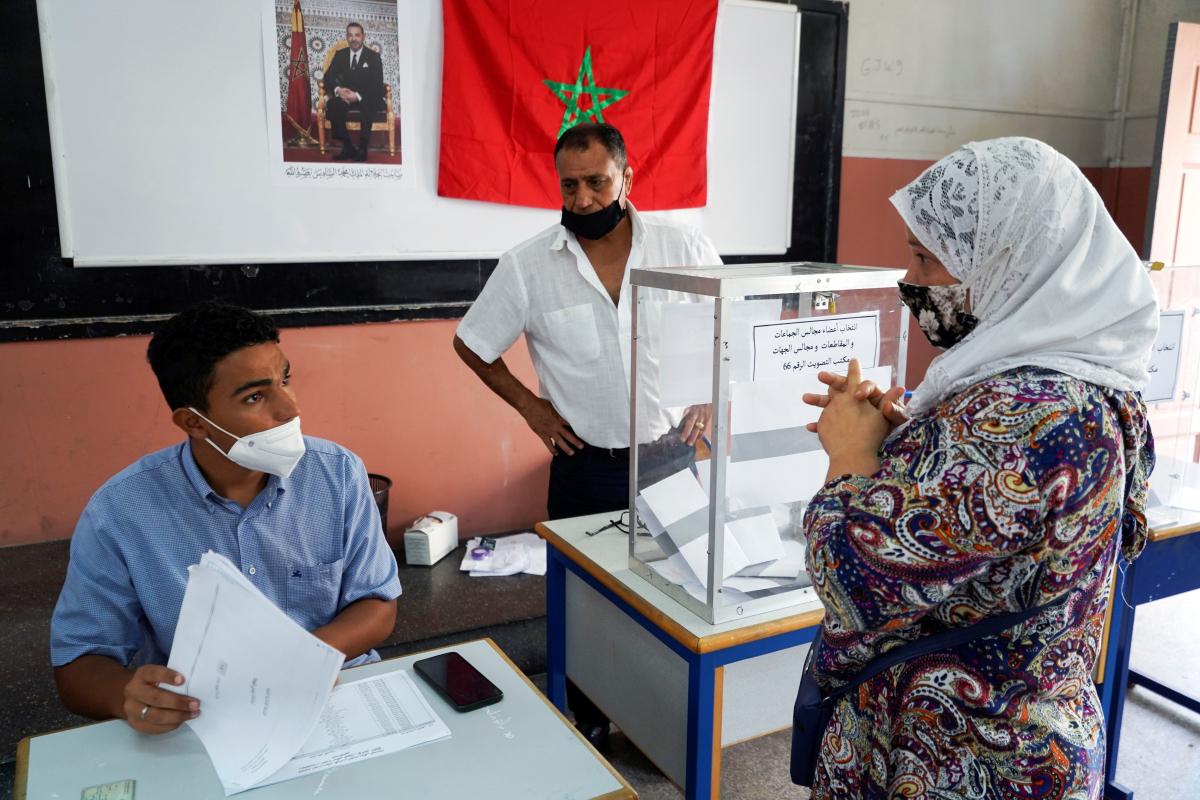
Moroccans vote on Wednesday, 23 September in a parliamentary election that will determine the make-up of the 395-seat House of Representatives and shape the next government.
More than 15.8 million people are registered to vote, with 28 political parties, including a coalition formed for the election, competing for seats alongside two independent candidate lists. But a bigger question hangs over the vote: how much faith do Moroccans, particularly younger people, still have in politics?
A vote in a powerful monarchy
Morocco is a constitutional monarchy, with King Mohammed VI retaining a central role in key areas of state policy. Parliament and the government have significant responsibilities, but the monarchy remains a powerful force within the country's political system.
The election is the fourth since constitutional reforms introduced after the 2011 Arab Spring protests. The changes strengthened the roles of parliament and the head of government while preserving the king's central position.
Under Morocco's constitution, the king appoints the head of government from the political party that comes first in elections to the House of Representatives.
Jobs remain a major concern
Unemployment is among the biggest concerns for voters, particularly young Moroccans.
The overall unemployment rate stood at 13 per cent in 2025, according to Morocco’s High Commission for Planning. Among people aged 15 to 24, the figure reached 37.2 per cent, underlining the difficulties many young Moroccans face in entering the labour market.
The International Monetary Fund has also identified skills mismatches, limited private-sector dynamism and gender disparities as factors affecting Morocco’s labour market.
For younger voters, campaign promises on jobs, wages and living costs are closely tied to the economic pressures they face every day.
The World Cup construction boom
Morocco's vast development programme ahead of the 2030 FIFA World Cup, which it will co-host with Spain and Portugal, is another major election issue.
The government has committed billions of dollars to infrastructure, including transport and stadium projects. Reuters reported that governing parties are highlighting about $20 billion in infrastructure investment connected to Morocco's development plans and preparations for the tournament.
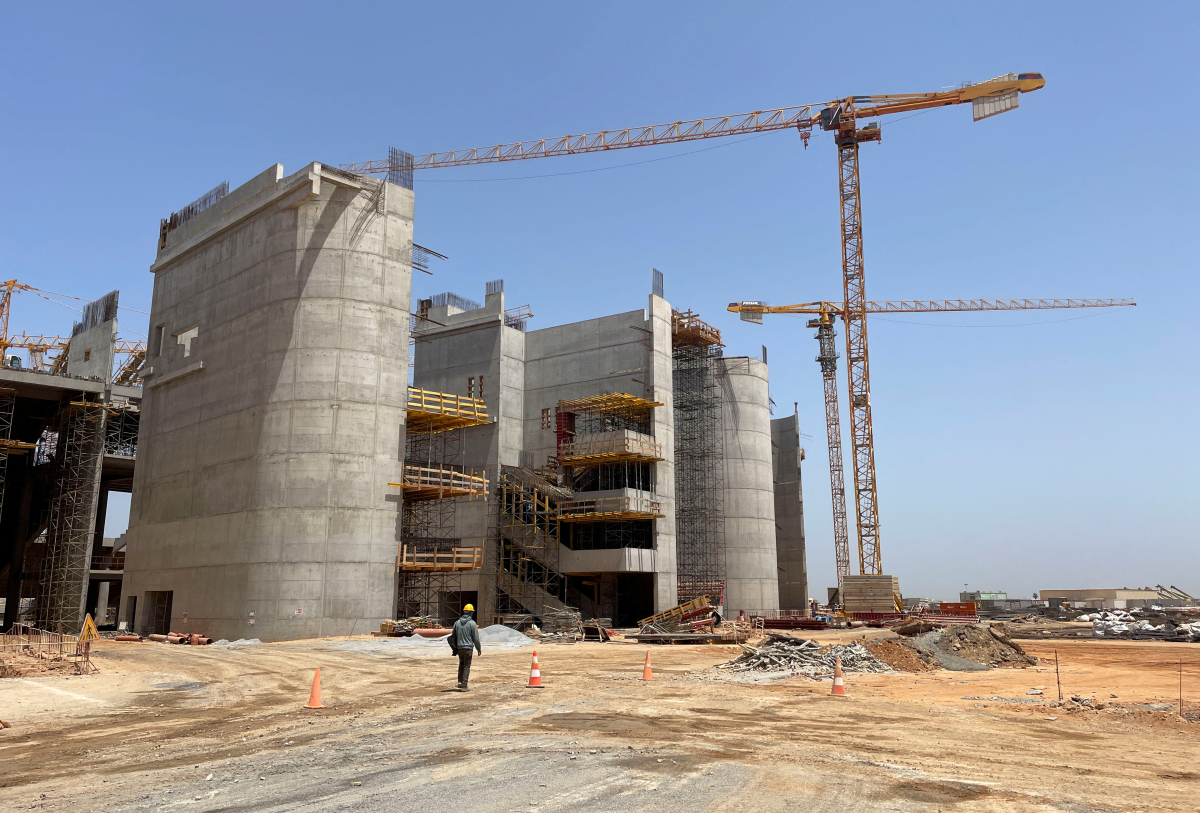
Among the flagship projects is the new 115,000-seat Hassan II Stadium near Casablanca.
The stadium, estimated to cost about $1 billion, is under construction and is set to become one of the world's largest football venues. By May 2026, work was reported to be about 30 per cent complete.
But the scale of the investment has fuelled a broader debate over spending priorities, with some young Moroccans questioning whether major infrastructure projects are doing enough to improve healthcare, education and employment.
What are the parties promising?
Jobs and purchasing power are at the heart of the campaign for the three parties that have governed in coalition since 2021: the National Rally of Independents (RNI), the Authenticity and Modernity Party (PAM) and Istiqlal.
The RNI has pledged to create one million jobs during the next parliamentary term, while PAM has made a similar employment commitment. Istiqlal has focused on purchasing power and public services, with proposals covering healthcare, housing and jobs.
The opposition Justice and Development Party (PJD), meanwhile, is trying to rebuild its parliamentary presence after heavy losses in the 2021 election.
Why young voters matter
Young Moroccans' relationship with formal politics has emerged as one of the defining questions of the election.
An Afrobarometer survey published in March found that 37 per cent of Moroccans aged 18 to 35 expressed at least some trust in parliament, while 33 per cent said the same about the head of government and governing and opposition parties. Recent youth-led protests have also highlighted frustration over employment, healthcare, education and living costs.
That does not mean young Moroccans have withdrawn from politics altogether. Instead, it raises a different question: whether they believe elections and political parties can effectively address their concerns.
What happens after the vote?
Once the results are confirmed, King Mohammed VI appoints the head of government from the party that finishes first. The appointed head of government then works with other parties to build a governing coalition.
The next government will face pressure to create jobs, improve public services and maintain economic growth while overseeing a vast infrastructure programme ahead of the 2030 World Cup.
For many voters, particularly younger Moroccans, the key question is whether that investment will translate into tangible improvements in jobs, living standards and public services.
Read more:












What is your opinion on this topic?
Leave the first comment