Russia reports drone strike, as Zelenskyy denies Nord Stream role
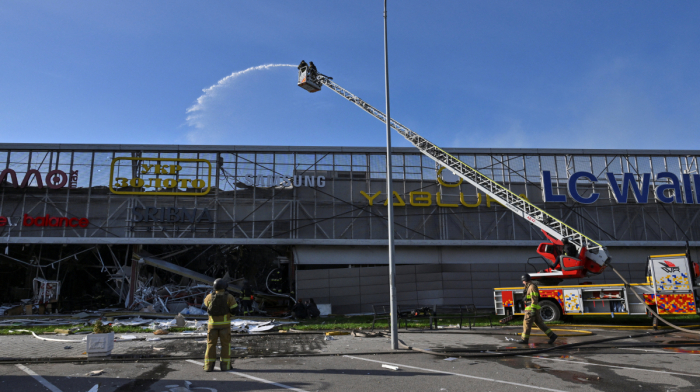
Russia reported a major fire at an Ozon logistics hub in Krasnodar after a drone attack on Monday, while Ukraine’s President Volodymyr Zelens...
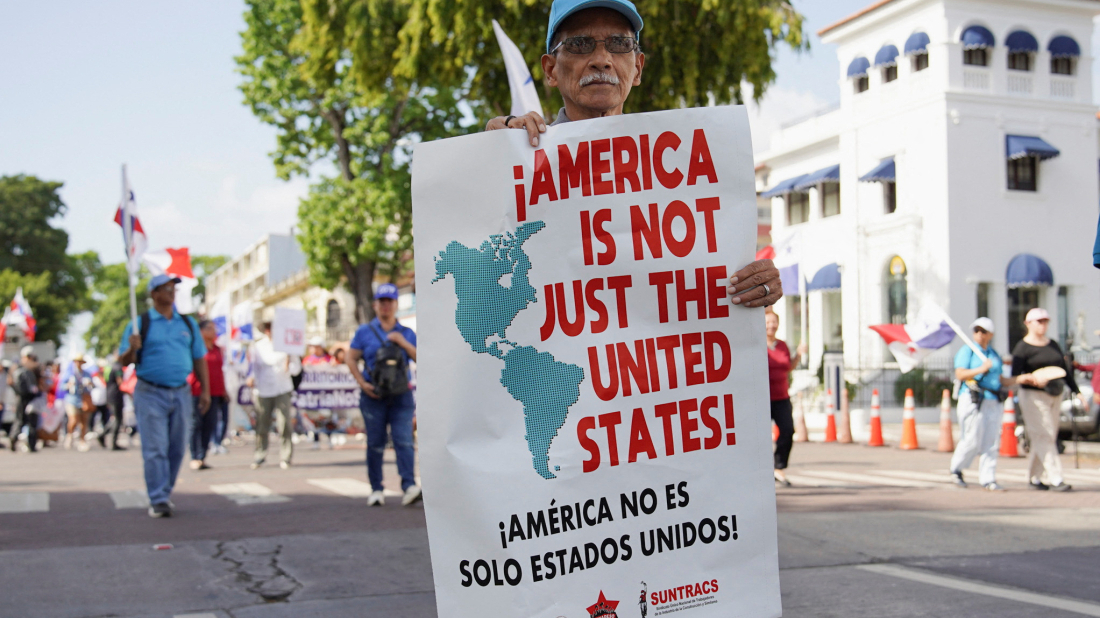
Protests erupted in Panama City as U.S. Secretary of State Marco Rubio met with President Raúl Mulino, amid tensions over the Panama Canal. Demonstrators burned posters of Trump and Rubio, rejecting U.S. influence, while Panama reaffirmed its sovereignty over the strategic waterway.
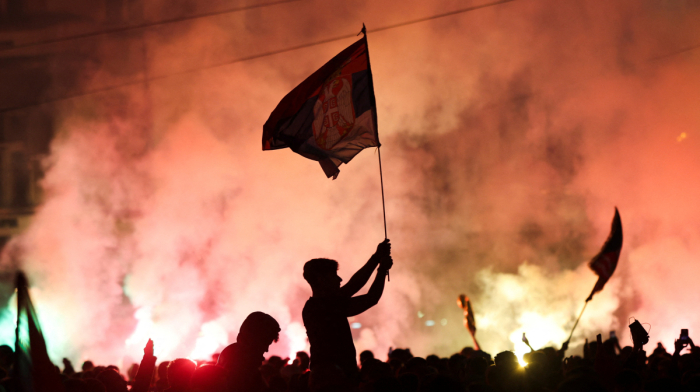
Mass protests broke out in Panama City on Sunday as U.S. Secretary of State Marco Rubio visited the country for talks with President Raúl Mulino. Demonstrators condemned U.S. interference in the Panama Canal, burning images of Donald Trump and Rubio and holding banners that read "Panama is not for sale."
The unrest follows Trump’s remarks suggesting that China’s presence near the canal poses a security threat to the United States. He has refused to rule out military action and has raised the possibility of sanctions on Panamanian-flagged vessels entering U.S. ports.
Panama’s President Raúl Mulino pushed back against U.S. concerns, reaffirming that the Panama Canal Authority operates the waterway independently.
"The canal is operated by our country and will continue to be," Mulino stated.
While tensions over the canal remain unresolved, Panama and the U.S. made progress on migration policies. Mulino and Rubio discussed expanding a repatriation program to address rising migrant flows through the Darién Gap.
The U.S. secretary of state’s visit is part of a broader tour of Central America and the Caribbean, aimed at strengthening diplomatic ties and addressing regional security concerns.
Despite these efforts, the canal dispute has escalated political tensions, with protests signaling growing opposition to U.S. influence in Panama.

Iran on Saturday denounced U.S. plans to announce new sanctions that could put further strain on the Islamic Republic's economy and have an impact on its most important trading partners including China.
A large-scale drone attack has hit Russia's Samara region, damaging facilities and disrupting operations at an Ozon logistics complex, according to regional authorities and the company.
Ukrainian President Volodymyr Zelenskyy has rejected calls for a wartime election, arguing that holding a vote while Russia's full-scale invasion continues would divide the country and undermine national unity.
Start your day informed with AnewZ Morning Brief. Here are the top news stories for the 22nd of August, covering the latest developments.
Azerbaijan and Uzbekistan have elevated bilateral ties with a Treaty on Eternal Friendship signed by Presidents Ilham Aliyev and Shavkat Mirziyoyev in Tashkent on 23 August. The leaders also agreed to expand trade, investment, transport, and regional cooperation.
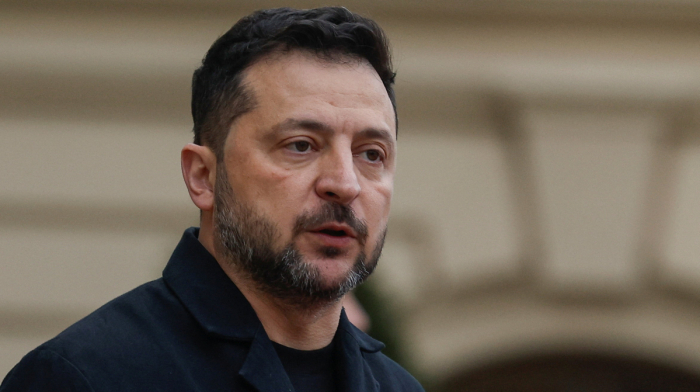
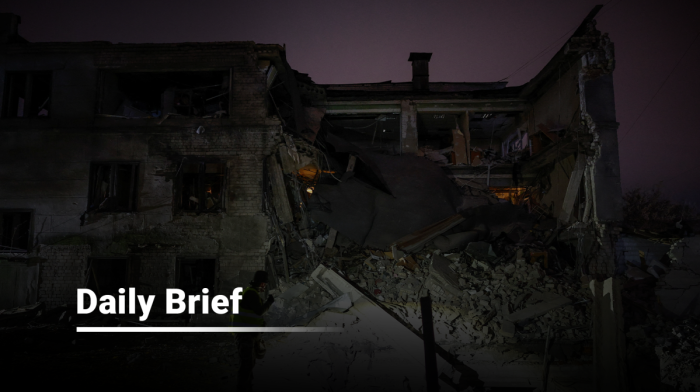
Russia reported a major fire at an Ozon logistics hub in Krasnodar after a drone attack on Monday, while Ukraine’s President Volodymyr Zelenskyy denied Kyiv’s official involvement in the Nord Stream 2 pipeline blasts.
Icelanders will vote on Saturday, 29 August, on whether to begin negotiations with the European Union, in a referendum that could reopen the country’s long-debated membership question.
At least 30 people have been killed after a massive landfill collapsed onto homes in Guinea's capital, Conakry, following heavy overnight rainfall that triggered a deadly landslide of waste in one of the city's densely populated districts.
Canada has rejected a proposed trade agreement with the United States after negotiations broke down over what Ottawa described as a series of last-minute demands that would have disproportionately favoured Washington and undermined Canadian economic interests.
The Democratic Republic of Congo is set to receive 70,000 doses of the Ebola vaccine Ervebo as health authorities race to contain what has become the country's largest Ebola outbreak on record.
You can download the AnewZ application from Play Store and the App Store.
What is your opinion on this topic?
Leave the first comment