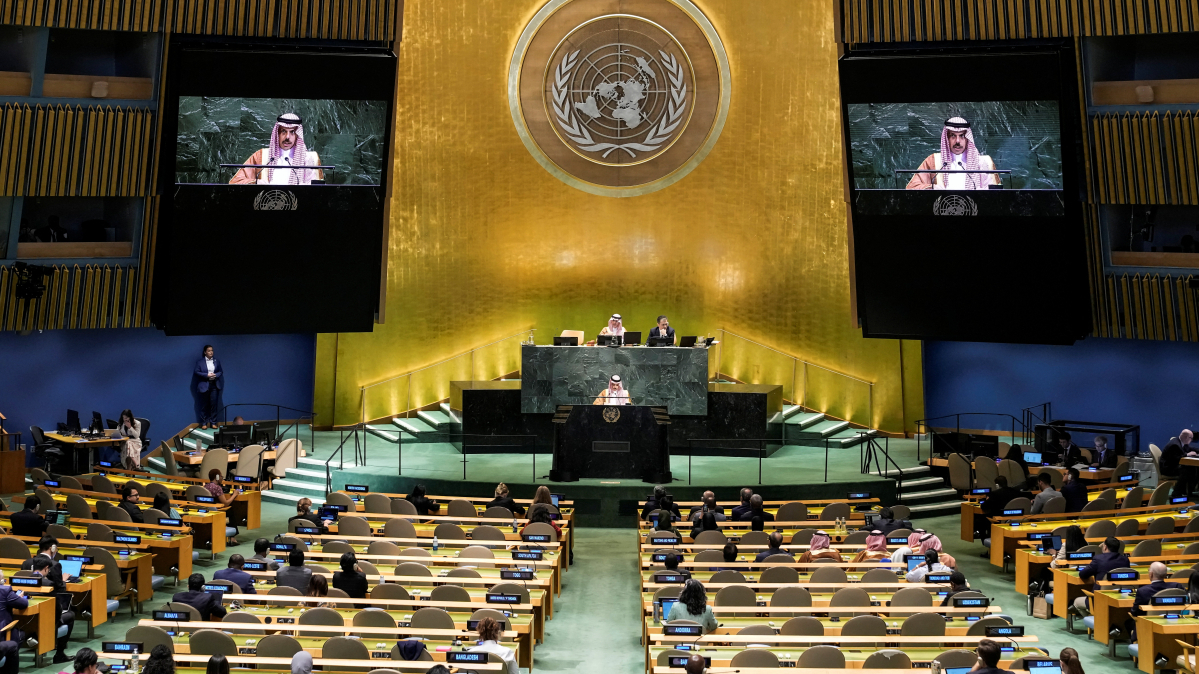
World leaders are gathering in New York for the UN General Assembly as the world faces one of its most challenging periods in decades. The high-level debates begin Tuesday against the backdrop of wars in Ukraine and the Middle East, AI, climate change and the race for a new UN chief.
The United Nations was formed in 1945 with 51 original members and has since grown to 193. Leaders of two non-member observer states - the Holy See and the State of Palestine - as well as the European Union can also address the General Assembly.
This month marks the start of the 81st session, whose theme is “Restoring Trust, Managing Transformation: A United Nations That Delivers for All.”
Who speaks when?
It is tradition for Brazil to be the first member state to speak. UN officials say this dates back to the early years of the organisation, when Brazil stepped up to speak first while other countries were reluctant to do so.
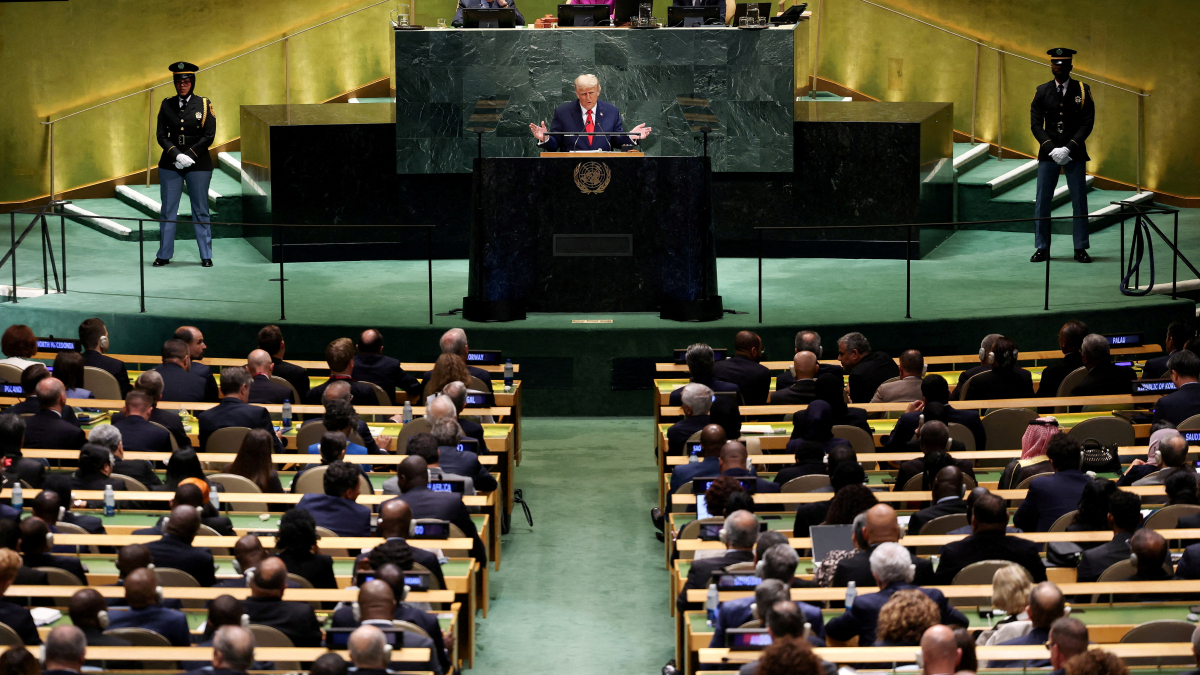
The United States speaks second, as the host country of the UN headquarters in New York.
After that, heads of state speak first, followed by other senior officials and lower-ranking delegates.
How long will they speak for?
Leaders are asked to observe a voluntary 15-minute limit.
Some speeches have lasted much longer. In 1960, Cuban leader Fidel Castro spoke for about 4½ hours, one of the longest addresses recorded during the opening of a General Assembly. Libyan leader Muammar Gaddafi spoke for more than 90 minutes in 2009.
Alongside their formal speeches, leaders are expected to discuss several major international issues during meetings on the sidelines of the General Assembly.
Topics are likely to include:
Artificial intelligence
UN Secretary-General António Guterres said warnings over AI could not be ignored and that the technology would be a major topic of his discussions with world leaders.
He has called for countries at the forefront of AI development to communicate and establish “common guardrails” to prevent what he described as a race that could eventually lead to a global disaster.
Iran
Iran is expected to be a major focus of discussions, with President Masoud Pezeshkian scheduled to address the General Assembly on Wednesday.
His travel to New York had initially appeared uncertain because of visa arrangements for the Iranian delegation. The U.S. State Department later said a core Iranian delegation would be allowed to attend, in line with Washington’s obligations as host country.
Officials, including Pezeshkian and Foreign Minister Abbas Araghchi, are expected to receive visas, according to a source familiar with the decision.
The UN Security Council may also hold an informal meeting with Arab leaders, with Iran expected to be a key topic.
Ukraine
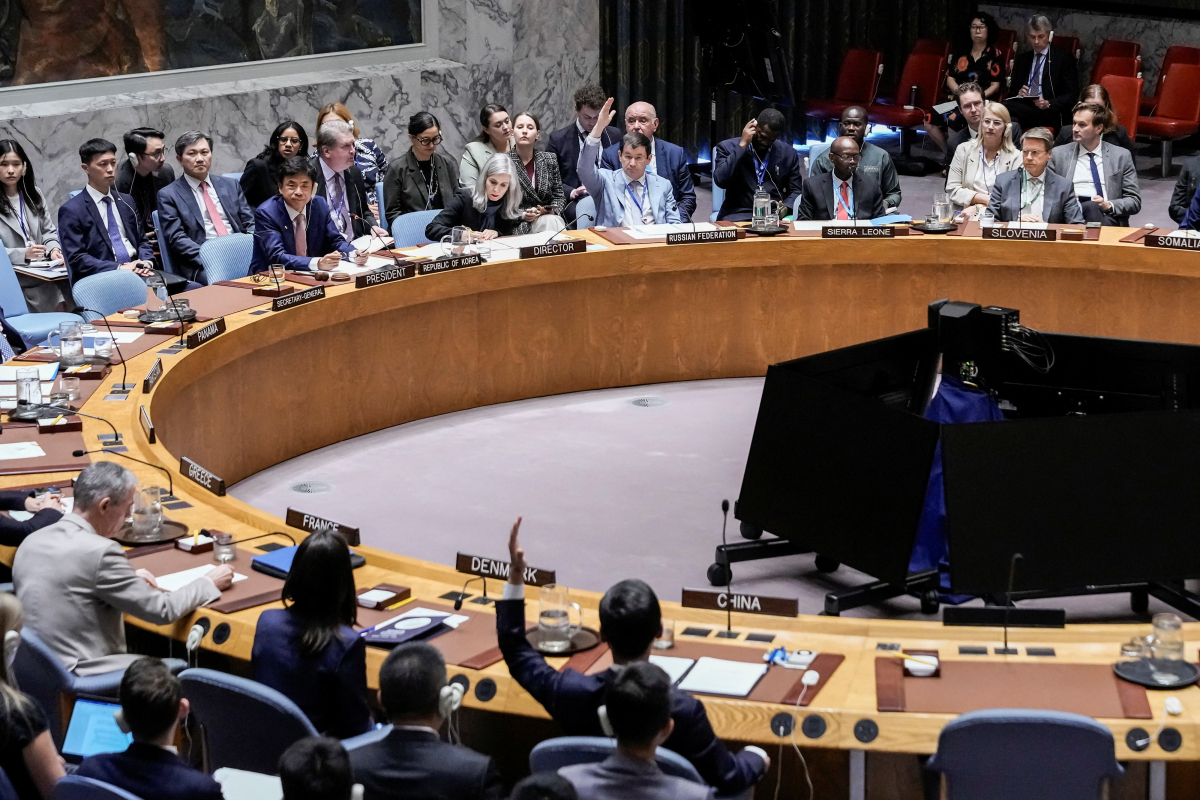
The Security Council is also expected to hold a high-level meeting on Ukraine. Its ability to take action on the war has been limited by Russia's veto power as a permanent council member.
Trump spoke with Russian President Vladimir Putin earlier this month, but it remains unclear whether he plans to meet President Zelenskyy in New York.
Russian Foreign Minister Sergei Lavrov is scheduled to speak on Saturday.
Israel and the Palestinians
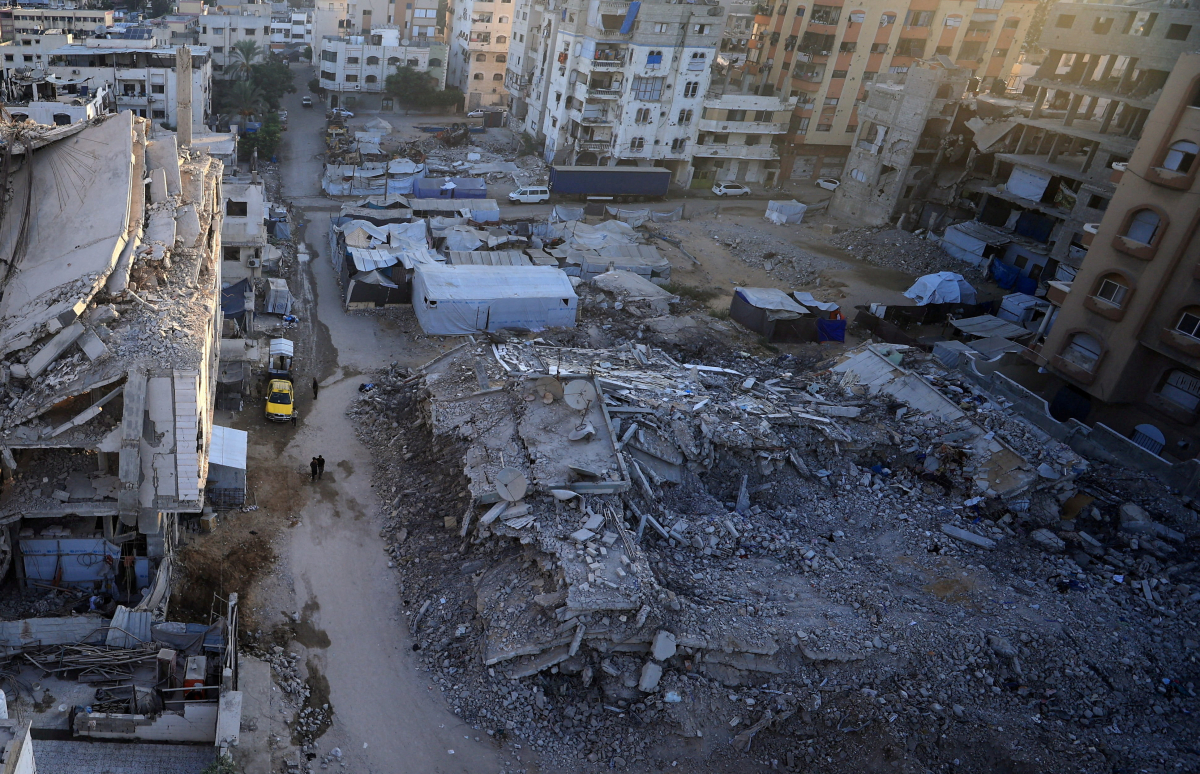
The war in Gaza and the wider Israeli-Palestinian conflict are expected to feature prominently.
Israeli Prime Minister Benjamin Netanyahu is due to address the General Assembly on Thursday.
The International Criminal Court has issued an arrest warrant for Netanyahu over alleged war crimes and crimes against humanity in Gaza, which Israel rejects. And because the United States government strongly supports Israel and has launched a campaign against the ICC, a legal issue around his attendance is unlikely.
Meanwhile, Palestinian President Mahmoud Abbas will not attend in person after the United States again denied him a visa. The General Assembly voted on Thursday to allow him to address the gathering by video for a second consecutive year.
It also allows Abbas and other senior Palestinian officials to participate by video in UN meetings over the next year if they are unable to travel to the United States.
Race to appoint a new UN secretary-general
The UN has begun the process of choosing a successor to Secretary-General António Guterres, whose second five-year term ends on 31 December 2026.
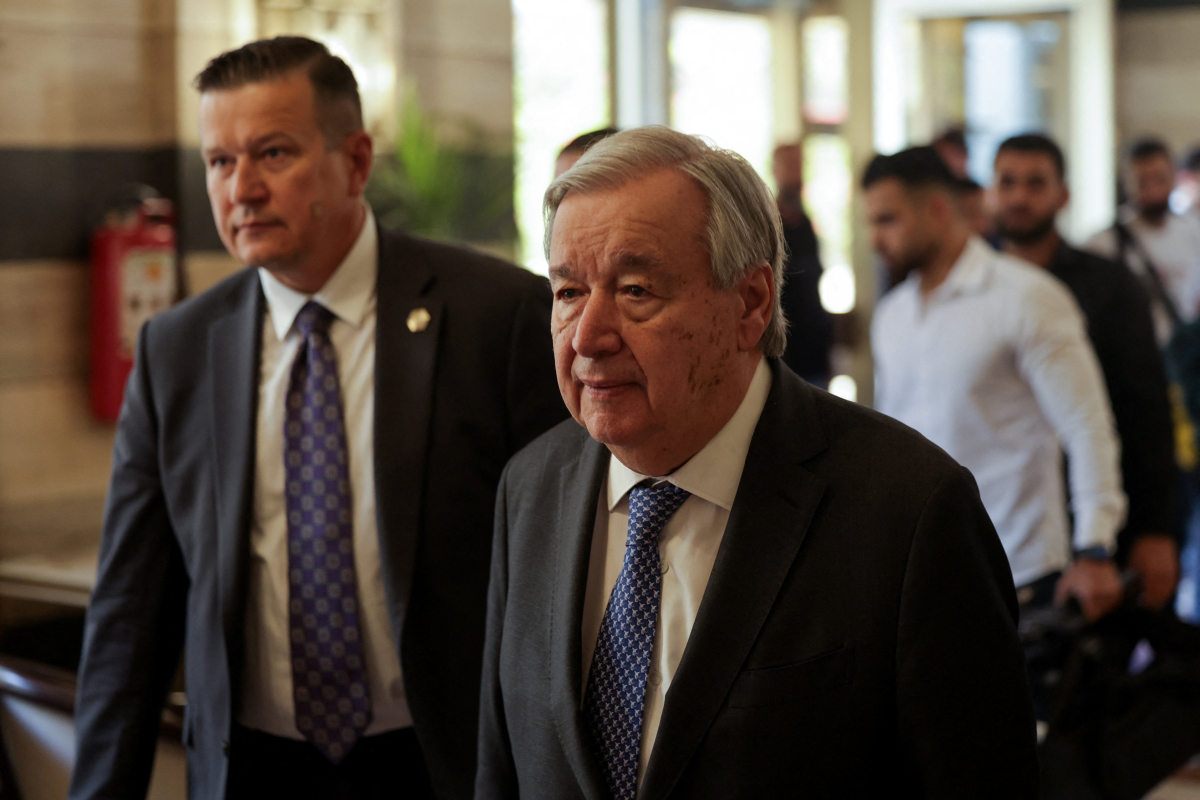
The Security Council must agree on a candidate to recommend to the 193-member General Assembly. That means the five permanent members - Britain, China, France, Russia and the United States - will have to reach agreement on the nominee.
Sudan
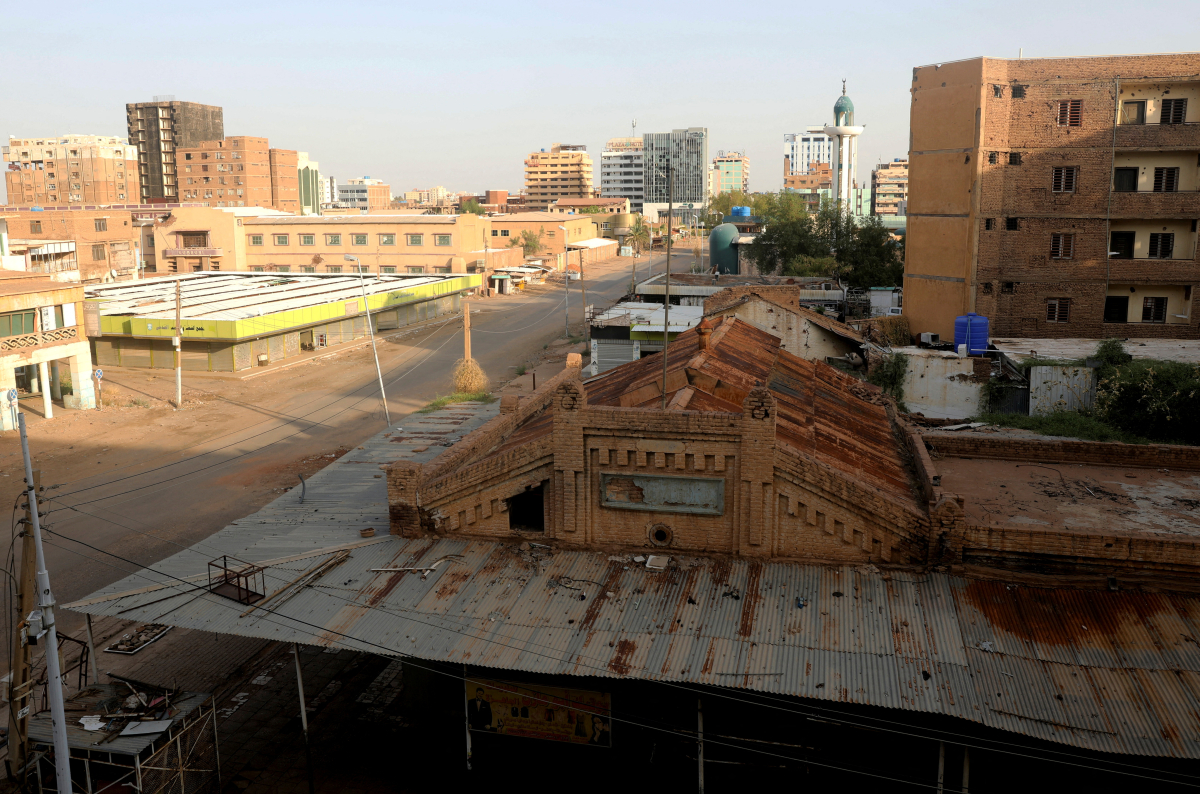
The war, which began in April 2023 after a power struggle between the military and the Rapid Support Forces, has displaced more than 14 million people and created one of the world's largest humanitarian crises.
The head of Sudan's army and head of state, General Abdel Fattah al-Burhan, is due to address the General Assembly on Thursday.
Climate
Climate change is another key issue expected to feature in speeches and meetings.
As countries continue efforts to limit global warming to 1.5°C above pre-industrial levels, leaders from small island states and countries particularly affected by climate change are expected to renew calls for action.
August was the first month since November 2025 in which the world's average temperature exceeded 1.5°C.
Other conflicts and security issues
The General Assembly is also expected to address conflicts and security challenges beyond Ukraine and the Middle East.
The United States has agreed to give the UN another year to wind down its support for African peacekeepers in Somalia, according to a document seen by Reuters.
Washington had previously said it would block further UN support for the African Union force fighting al Qaeda-linked militants and supporting Somalia’s government.













What is your opinion on this topic?
Leave the first comment