More than 20 hospitals and health centres in Gaza could lose a key source of fuel from 19 September, according to the Strip's Health Ministry.
Director-General Munir al-Bursh said the World Health Organization (WHO) had decided to suspend diesel deliveries because of a funding shortfall.
The WHO did not immediately comment on the claim. It has previously warned that reduced funding is putting pressure on its humanitarian work.
Hospitals already running on limited fuel
Bursh said the amount of fuel reaching Gaza was already barely enough to keep medical facilities operating.
“The limited quantities of fuel reaching the Strip barely keeps health facilities alive,” he said.
He warned that a further reduction could affect some of the most critical services in hospitals.
He added it could also shut operating theatres and intensive care units, while disrupting ventilators and oxygen stations.
“The halt in supplies does not only mean generators going dark,” Bursh said.
Patients receiving dialysis and those with chronic illnesses could also be affected. Bursh highlighted the risks to wounded people and children relying on incubators.
Generators are already failing
The warning comes as hospitals struggle to maintain their backup generators.
Gaza’s Health Ministry said several generators had stopped working in recent days because hospitals lacked enough fuel, oil and spare parts.
“The past few days have seen several generators stop working due to the lack of oils, spare parts and sufficient fuel quantities,” the ministry said.
Hospitals have been depending on generators for machinery in critical departments amid prolonged power cuts across Gaza.
Ambulances and medicine supplies also at risk
Bursh said the impact would not be limited to hospitals.
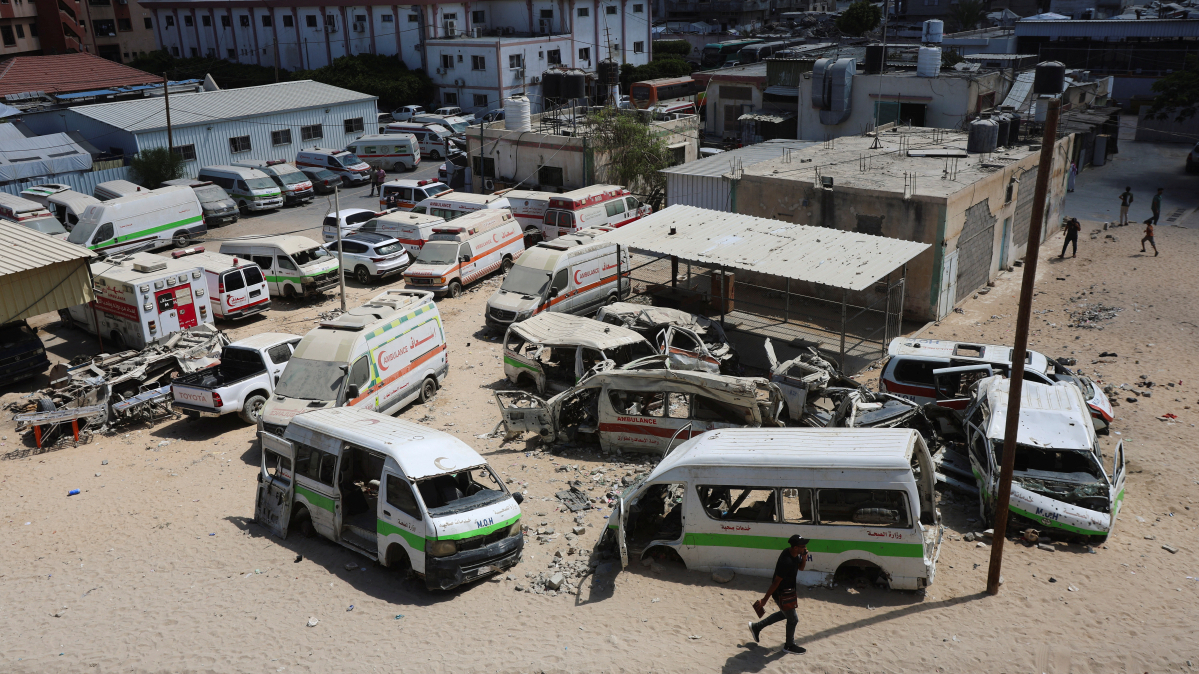
He warned that fuel shortages could disrupt ambulance services and the refrigeration systems needed to preserve medicines and vaccines.
“The fuel crisis is pushing hospitals toward complete shutdown and leaving patients facing preventable death,” he said, describing the situation as “silent killing of patients in their beds”.
He called on the WHO, donors and the international community to ensure that hospitals receive adequate fuel and that supplies can be delivered safely and consistently.
Gaza crossings remain a major issue
The Health Ministry linked the fuel crisis to restrictions affecting the movement of fuel and humanitarian supplies into Gaza.
It said shortages had been worsened by restrictions at the Kerem Shalom crossing between Gaza and Israel and the limited operation of the Rafah crossing with Egypt.
Gaza’s government media office has also accused Israel of failing to meet its obligations under the ceasefire agreement, including commitments relating to humanitarian aid and fuel.
Israel has rejected accusations that it deliberately restricts aid and has blamed Hamas for the wider humanitarian situation.
The reported diesel suspension adds another layer of pressure to a health system that has been severely damaged by the war.
According to Gaza health authorities, more than 73,000 Palestinians have been killed and more than 174,000 injured since the conflict began in October 2023. The figures do not distinguish between civilians and combatants.
Read more about Gaza:














What is your opinion on this topic?
Leave the first comment