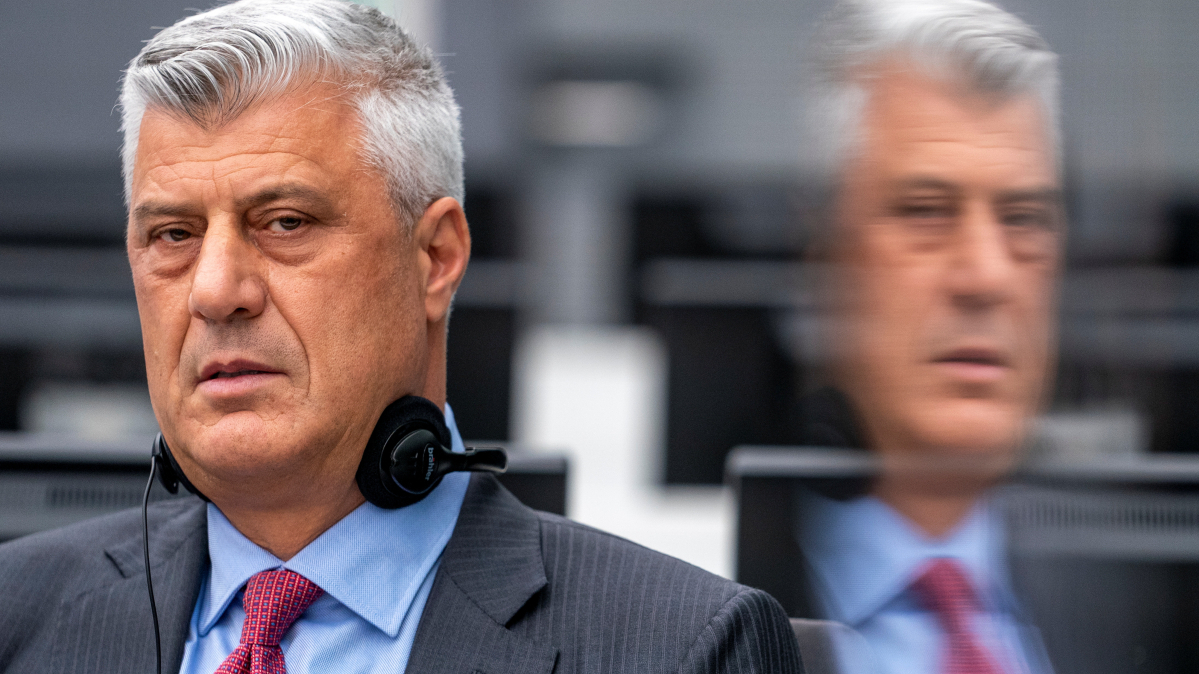
Former Kosovo President Hashim Thaçi has been sentenced to 25 years in prison after being found guilty of war crimes, including murder, torture, cruel treatment and arbitrary detention.
The 58-year-old was convicted over crimes committed while serving as a senior commander in the ethnic Albanian Kosovo Liberation Army (KLA) during Kosovo’s conflict with Serbia in the late 1990s.
Court finds Thaçi responsible for killings and torture
The tribunal found Thaçi criminally responsible for the killing of 96 political opponents and people suspected of collaborating with Serbian security forces.
Judges also convicted him over the arbitrary detention of 385 people, the torture of 303 and the cruel treatment of 49 others. The court said none of the victims were taking an active part in hostilities when the crimes occurred.
Judges found that Thaçi actively participated in and encouraged crimes committed as part of a joint criminal enterprise.
Presiding Judge Charles Smith said the plan involved establishing detention facilities in KLA-controlled areas, identifying people regarded as opponents, detaining them and, in some cases, killing them.
Victims were held in poor conditions, beaten, confined in small cells and denied adequate food and medical treatment, the court said.
Thaçi stood silently as the verdict and sentence were delivered. He denied all charges and is entitled to appeal.
Supporters protest in The Hague and Pristina
The ruling was closely followed in both Kosovo and Serbia, where the legacy of the 1998–99 conflict and Kosovo’s 2008 declaration of independence continue to shape relations between ethnic Albanians and Serbs.
Thaçi remains a prominent and respected figure among many Kosovo Albanians, while the Hague-based tribunal has faced significant opposition in Kosovo.
In The Hague, brief clashes broke out between police and several hundred Thaçi supporters after demonstrators attempted to march towards the tribunal. They had gathered nearby to listen to a live audio broadcast of the judgement.
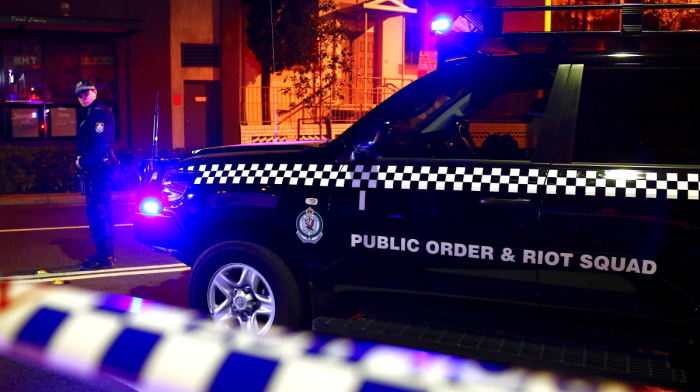
Hundreds of people also marched through Pristina following the verdict, while riot police were deployed across the Kosovo capital.
Former KLA fighter Raif Pllana described the verdict as “shameful” and warned that it would increase tensions.
Kosovo police said they had coordinated preparations with international peacekeeping forces in case the demonstrations turned violent. The U.S. advised its citizens to stay away from crowds.
Albanian Prime Minister Edi Rama also criticised the ruling, posting an image on social media showing barbed wire across a map of Europe alongside the word “Unbelievable”.
Prosecutors had sought a 45-year sentence
Prosecutors sought a 45-year prison sentence for Thaçi and each of three other former senior KLA commanders.
However, the three-judge panel dismissed six counts of crimes against humanity, ruling that prosecutors had not proved that the offences were part of a widespread or systematic attack against a civilian population.
Thaçi’s lawyers argued throughout the proceedings that the allegations were unfounded and amounted to an attempt to rewrite the history of the Kosovo conflict.
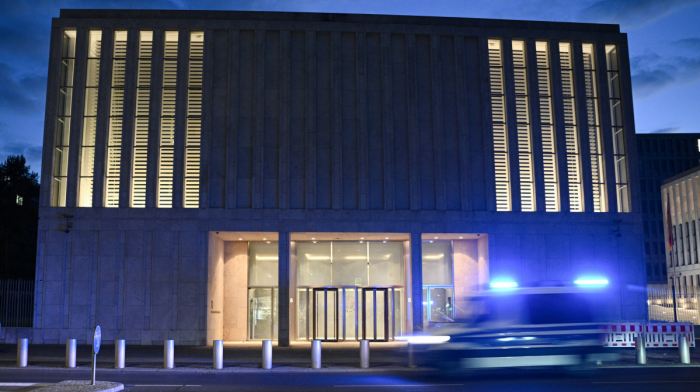
The Kosovo Specialist Chambers, based in The Hague, was established in 2015 under international pressure to investigate and prosecute alleged crimes committed by former KLA members during and after the war.
Judges highlight witness intimidation
Judges said the trial had taken place against a backdrop of serious witness intimidation.
The court cited witnesses who withdrew previous statements, changed their accounts or gave evidence that judges concluded was false.
Concerns over pressure on witnesses have repeatedly surfaced in proceedings before the Kosovo Specialist Chambers, which was established outside Kosovo partly to provide greater protection for witnesses and the judicial process.













What is your opinion on this topic?
Leave the first comment