North Korea has built a new uranium enrichment facility at its Yongbyon nuclear complex in the northwest of the country and begun operating an expanded site at Kangson, near the capital Pyongyang, the United Nation’s nuclear watchdog has said.
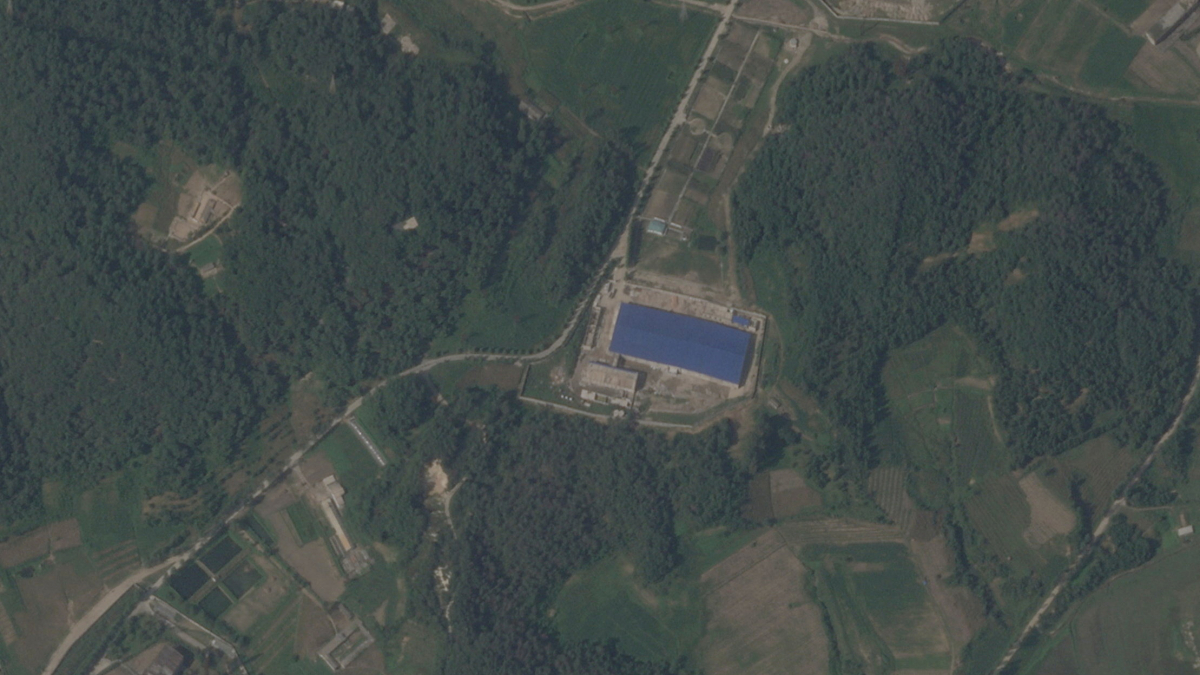
The International Atomic Energy Agency (IAEA) said in a report dated 28 August that a newly identified two-storey building at Yongbyon appears to be the complex's second uranium enrichment facility.
Investigators reached the conclusion by comparing state media images from a June visit by leader Kim Jong Un with satellite photographs taken while the building was under construction.
Images from the visit show gas centrifuge cascades, which are used to produce enriched uranium, installed across both floors of the building. The agency estimates the complex could hold up to 28 cascades of the type pictured.
A separate enrichment facility at Kangson appears to have become operational in January, according to the same report. Imagery showed the site sitting within an annex completed in 2024.
The IAEA said it has had to rely on satellite imagery and open-source material, including photos released by North Korean state media, to monitor the country's nuclear activities, because international inspectors have been barred from North Korea since 2009.
The agency said the latest findings breach UN Security Council resolutions barring the country from developing nuclear weapons.
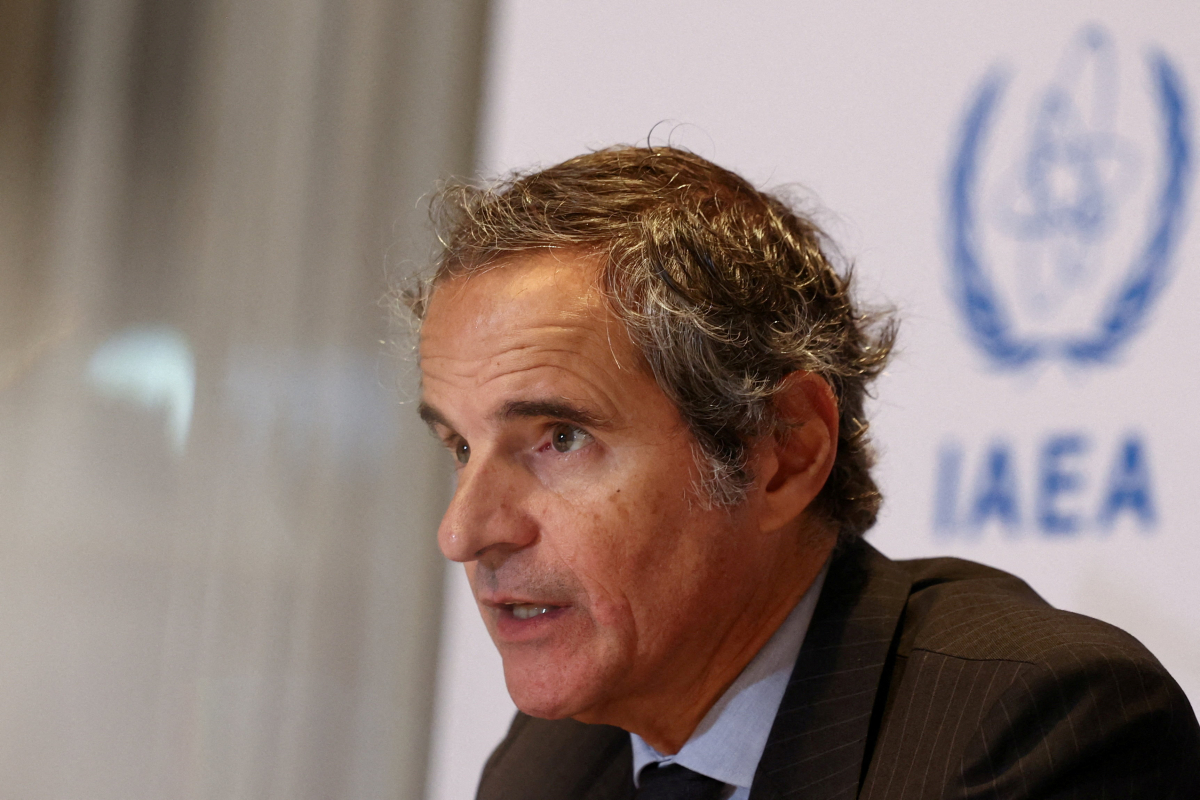
IAEA Director General Rafael Grossi told the agency's board of governors on Monday in Vienna that the continued operation of the two enrichment sites, along with what he called further growth in the North's output of weapons-grade material, was “a cause for serious concern.”
North Korea has consistently dismissed the IAEA's oversight. Its mission to the UN in Vienna said last September that its status as a nuclear weapons state was now irreversible, and rejected the agency's authority to scrutinise its programme.
Withdrawal from international nuclear treaty
North Korea withdrew from the Non-Proliferation Treaty in 2003 and has carried out six nuclear tests since 2006, the most recent in 2017.
Estimates of the size of its arsenal differ. South Korean Defence Minister Ahn Gyu-back told lawmakers in August that North Korea was generally believed to have around 80 to 120 warheads, although he cautioned it was difficult to determine an exact figure.
U.S. President Donald Trump said in the same month that he believed Pyongyang possessed 57 nuclear weapons in remarks to reporters at the White House.
Satellite imagery has also shown activity at North Korea’s Punggye-ri underground nuclear test site, fuelling concern among Western officials that Pyongyang could be preparing to carry out its seventh nuclear test.
Read more from North Korea:











What is your opinion on this topic?
Leave the first comment