The United States is deepening its security and economic engagement in Latin America, with Secretary of State Marco Rubio announcing that Peru will join the Americas Shield, a regional initiative designed to strengthen cooperation against transnational criminal networks.
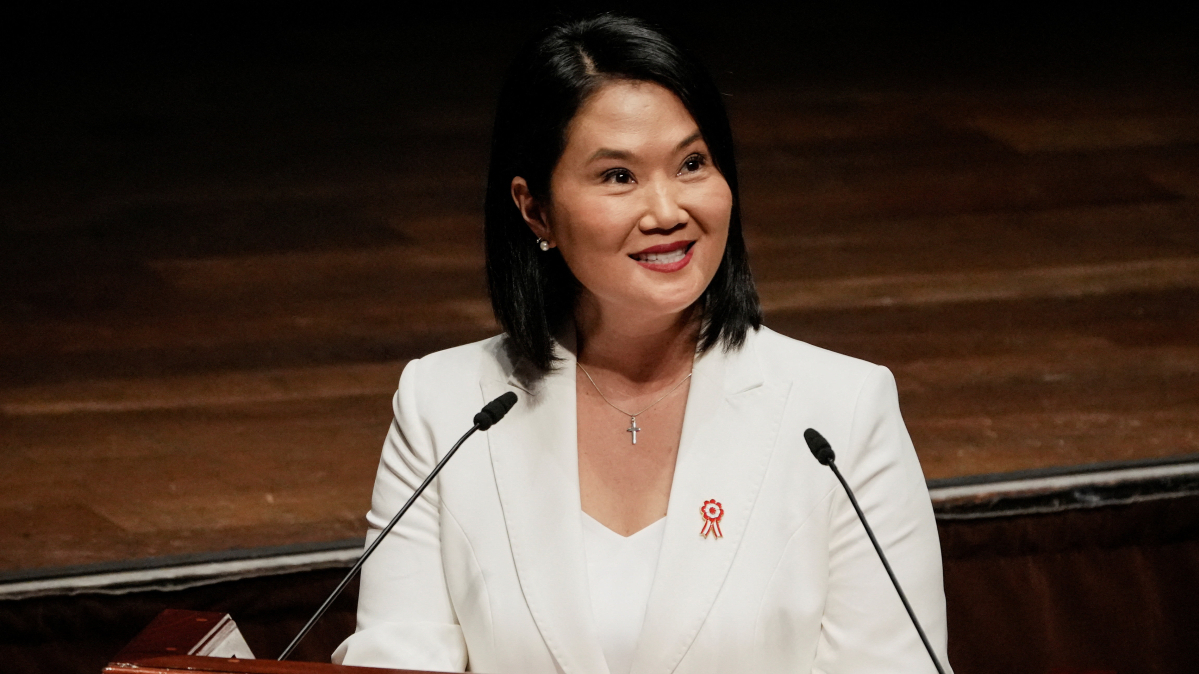
The announcement was made ahead of Rubio's visit to Lima next week, where he will meet with the President of Peru, Keiko Fujimori, who was inaugurated on 28 July.
This comes as the Trump administration seeks to build closer ties with governments across the region that share its priorities on security, migration, drug trafficking and economic development.
Rubio said Peru's inclusion in the Americas Shield reflects growing cooperation between Washington and several South American partners confronting organised crime and cross-border security threats.
The initiative aims to improve coordination among participating countries as they address issues ranging from drug trafficking and human smuggling to money laundering and organised criminal violence.
Peru's admission follows its designation as a major non-NATO ally of the United States, a status that can facilitate deeper defence and security cooperation.
According to Rubio, criminal organisations continue to undermine governance across the region by corrupting institutions, recruiting young people and discouraging investment. Washington views closer collaboration with regional governments as a key element of its effort to strengthen stability and security.
Security push extends across Latin America
Peru is not the only country at the centre of Washington's renewed regional strategy.
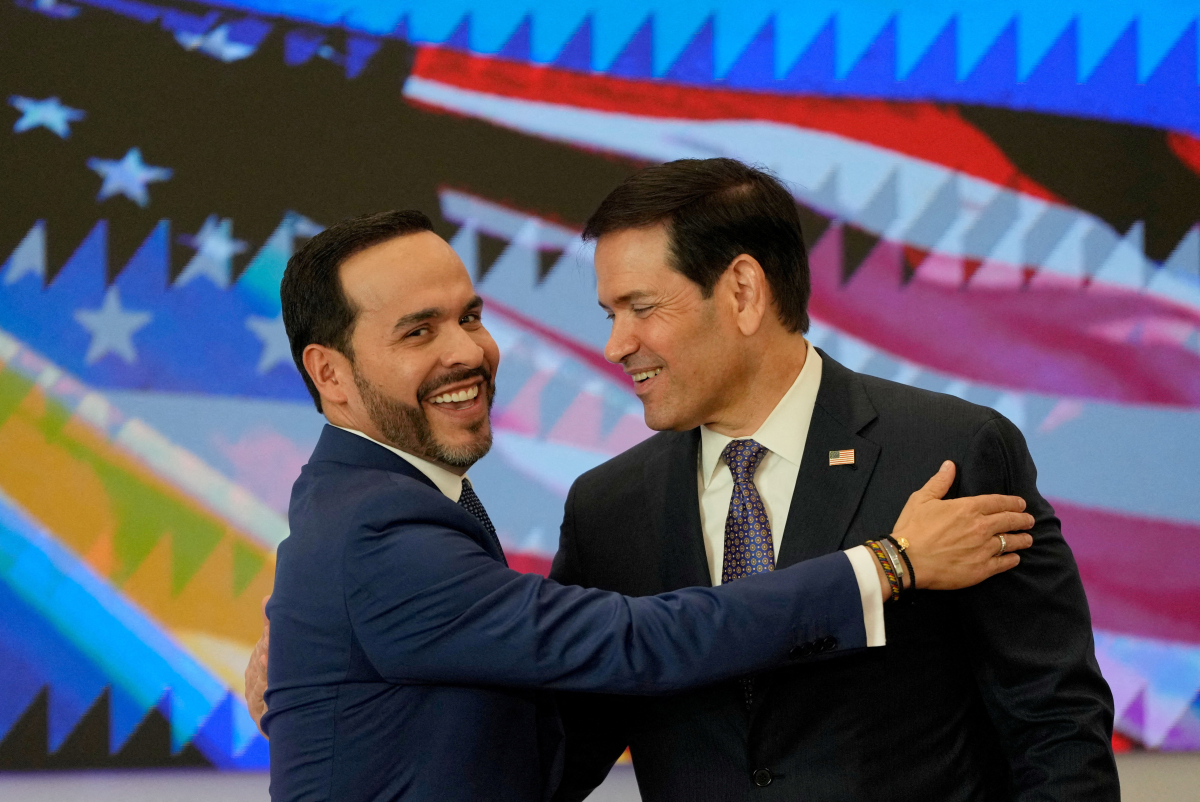
Rubio began a multi-country Latin American tour with a visit to Colombia, where he met President Abelardo De La Espriella and discussed expanded cooperation on security and counter-narcotics operations.
The U.S.'s top diplomat indicated that Washington wants to restore and deepen a longstanding security partnership with Bogotá after several years of strained relations under Colombia's previous administration.
Speaking alongside Rubio, De La Espriella said Colombia aimed to become one of Washington's closest security partners in the hemisphere and was seeking American support in areas including surveillance, intelligence sharing, radar systems, drones and anti-money-laundering operations.
The Colombian president also pledged stronger action against drug trafficking, including renewed efforts to eradicate coca cultivation and dismantle drug production facilities.
Alongside security issues, the Trump administration is placing greater emphasis on economic partnerships throughout the region.
Rubio highlighted growing cooperation with Peru in the mining sector, particularly regarding critical minerals, which have become strategically important for industries ranging from electric vehicles to advanced technology manufacturing.
Earlier this year, Washington and Lima signed a memorandum of understanding on critical minerals cooperation. Following that agreement, the U.S. International Development Finance Corporation allocated funding to support Peru's mining sector.
American officials see such partnerships as an opportunity to strengthen economic ties while reducing dependence on supply chains dominated by geopolitical competitors.
China emerges as a central concern
A major theme of Rubio's message ahead of his Peru visit was concern over China's expanding footprint in Latin America.
The secretary argued that Chinese-backed projects often come with political and economic risks that are not always apparent when agreements are first signed.
He accused Beijing-supported initiatives of operating outside established legal frameworks and suggested that some investments create long-term dependencies for recipient countries.
Washington has increasingly framed its engagement with Latin America as offering an alternative development model based on private-sector investment and market-led growth.
The comments reflect the broader strategic competition between the United States and China, which has intensified across Latin America over the past decade as Beijing became one of the region's largest trading and investment partners.
Trade also on the agenda
Rubio's visit comes amid efforts to strengthen trade relationships with several Latin American partners.
The United States is seeking to advance economic agreements with Colombia, Ecuador and Peru, while also addressing tensions that have emerged around tariffs and market access.
In Colombia, leaders are hoping for relief from recently imposed U.S. tariffs that officials fear could affect exports to one of the country's most important markets.
The issue has taken on added significance following a major earthquake that struck western Colombia shortly after President De La Espriella took office.
Rubio's tour highlights a broader effort by the Trump administration to reassert U.S. influence in a region where geopolitical competition has intensified in recent years.
By combining security cooperation, economic partnerships and diplomatic engagement, Washington is seeking to strengthen relationships with governments it views as key allies.
Peru's entry into the Americas Shield represents another step in that strategy, placing the country more firmly within a growing network of regional partners working alongside the United States on security and economic priorities.
As Rubio continues his visits across Latin America, the administration appears intent on building a coalition focused on countering organised crime, promoting investment and reinforcing Washington's role as a leading partner in the hemisphere.
Read more:













What is your opinion on this topic?
Leave the first comment