Russia and Ukraine exchange deadly strikes as aerial attacks intensify
At least six people have been killed in Russian attacks across Ukraine, while Moscow has reported two deaths in Russian-controlled territory, as bo...
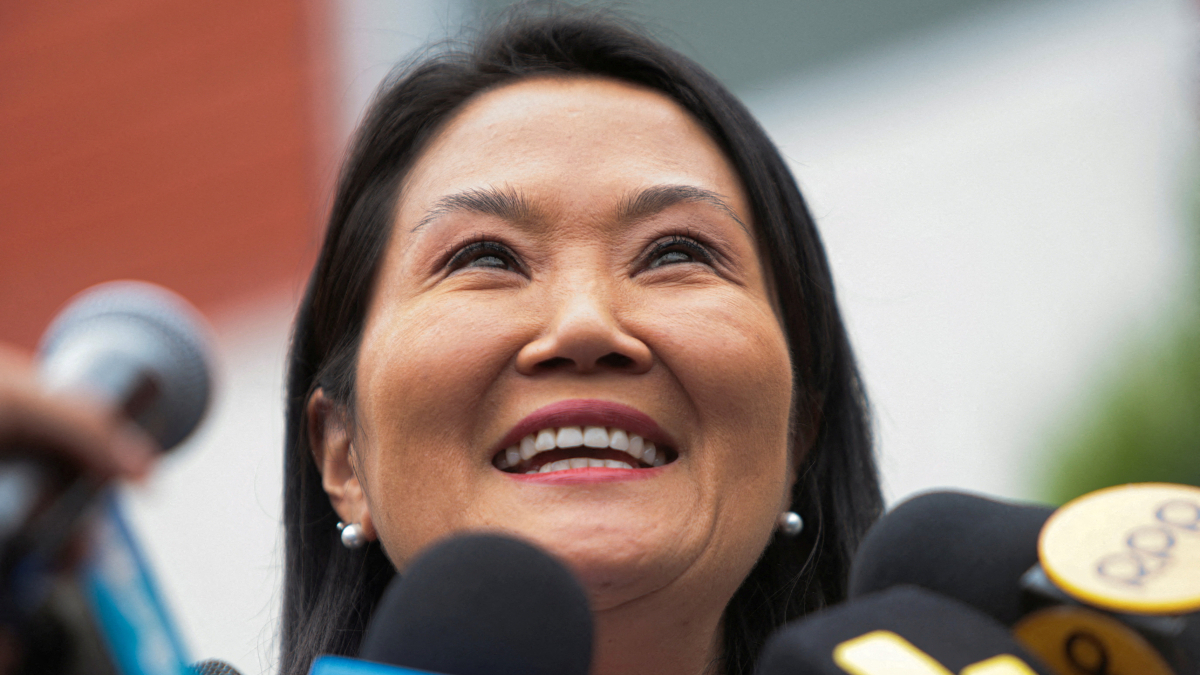
Peru’s electoral authority has declared right-wing candidate Keiko Fujimori the winner of the country’s presidential election, weeks after a closely contested run-off vote against left-wing rival Roberto Sanchez.
The announcement on Friday brings an end to a period of uncertainty following the June 7 election and paves the way for Fujimori to assume the presidency.
The result marks a significant political victory for the veteran politician, who has previously run for the country's highest office but was unsuccessful.
The National Office of Electoral Processes (ONPE) said Fujimori secured 50.135% of the vote, with 9,223,396 ballots, narrowly ahead of left-wing rival Roberto Sanchez, who received 49.865%, or 9,173,755 votes.
Although the count has been completed after the election, Peru's National Electoral Jury (JNE) was expected to officially declare the winner on 3 July.
Fujimori welcomed the conclusion of the lengthy count and said she would wait for the official announcement "with great humility, prudence, and responsibility".
"We are getting closer and closer to embarking on a path of order and hope for all Peruvians," she wrote on X.
Sanchez has refused to accept the result, alleging electoral fraud without providing evidence. He has vowed not to recognise a Fujimori government and plans to file a legal appeal before the official declaration.
His supporters have staged demonstrations in Lima to "defend the vote", with further protests expected in the coming days, raising concerns that Peru's prolonged political turmoil could continue.
Fujimori, 51, would become Peru's 10th president since 2016 when she takes office on 28 July. The daughter of former president Alberto Fujimori, she is set to secure the presidency on her fourth attempt after previously losing three elections.
She has pledged to unite a country "divided in two", tackle rising crime and address the deep inequality facing the Andean nation.
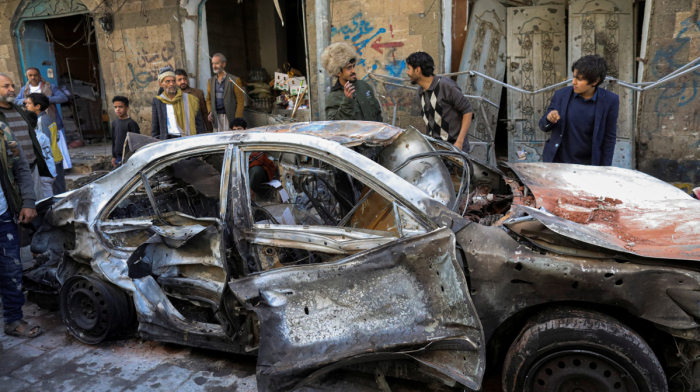
A drone strike on Yemen's Houthi-held capital Sanaa injured 15 people, Houthi news agency Saba reported on Saturday (28 November). The attack by Saudi forces damaged eight homes and three shops in the neighbourhood of Bir Abu Shamlah in Al-Tahrir district, Saba said.
UEFA has launched an investigation into clashes between Beşiktaş J.K fans and Georgian police that briefly halted the Turkish side’s Europa League match against Israel’s Hapoel Be'er Sheva F.C on Thursday (26 November).
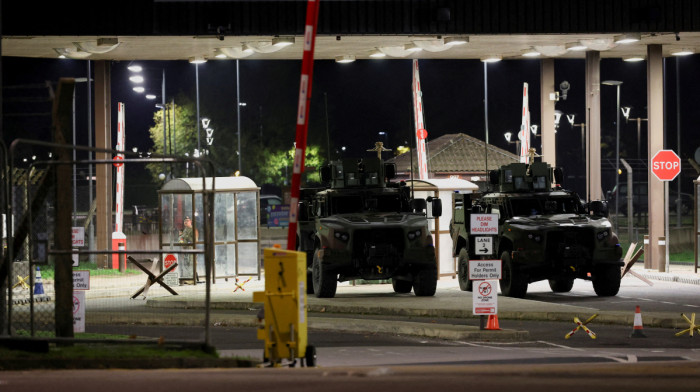
U.S. forces repelled half a dozen drones that swarmed a UK airbase earlier in November in an incident suspected to be linked to Iran, the Financial Times reported on Saturday 28 November, citing people familiar with the matter.
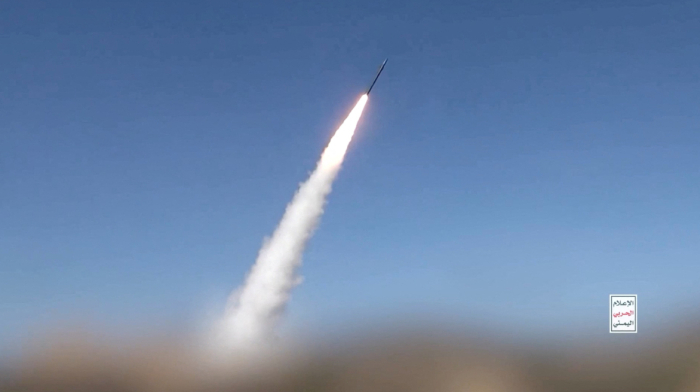
The Saudi-led coalition said on Sunday (29 November) it intercepted and destroyed three ballistic missiles launched by Yemen’s Houthis towards Saudi Arabia’s capital, Riyadh, and the oil-rich Eastern Province.
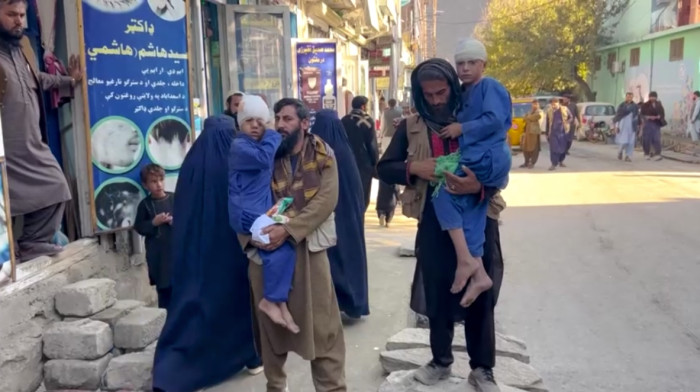
At least seven students have been killed and up to 99 others injured in an explosion near a middle school in Asadabad, the capital of Kunar Province in eastern Afghanistan, on Saturday morning 28 November, an Afghan government spokesperson said.
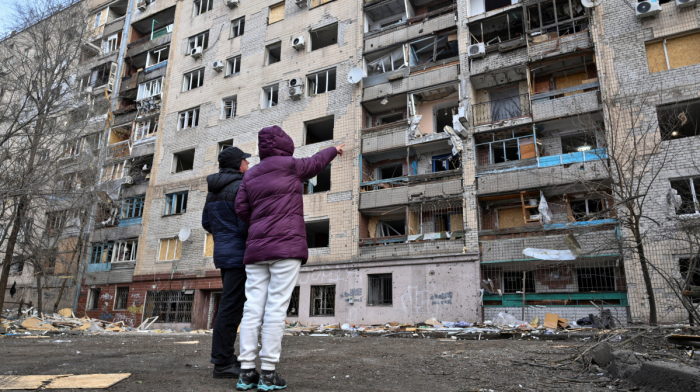
At least six people have been killed in Russian attacks across Ukraine, while Moscow has reported two deaths in Russian-controlled territory, as both sides intensified aerial strikes despite ongoing U.S.-mediated peace negotiations.
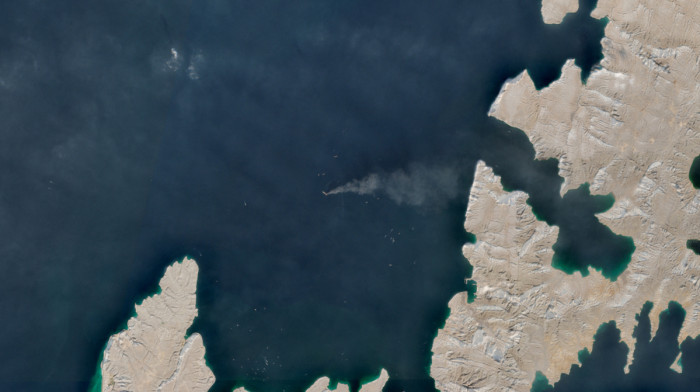
Two oil tankers struck naval mines and caught fire in the Strait of Hormuz on Sunday, 29 November, according to Iran's Islamic Revolutionary Guard Corps (IRGC) Navy, which accused the vessels of violating maritime restrictions.
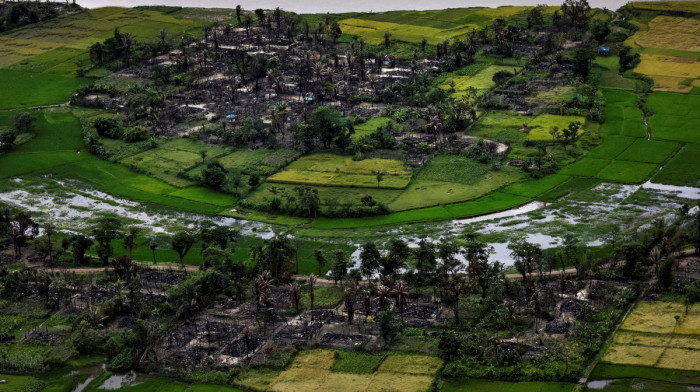
Myanmar military airstrikes and artillery bombardments killed at least 49 people and wounded more than 90 in separate attacks on rebel-held areas in Rakhine and Kayah states on Saturday (28 November), according to local residents and an aid worker.
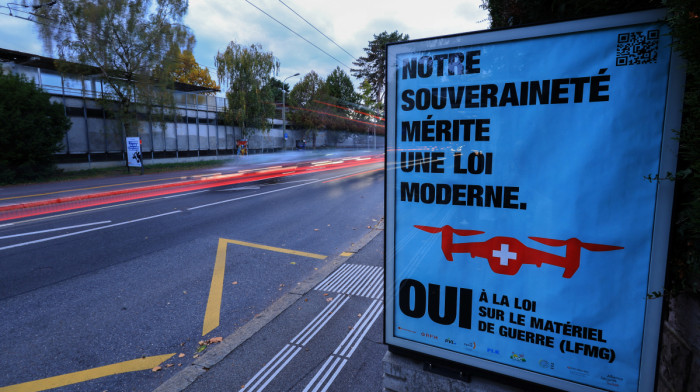
Swiss voters will head to the polls on Sunday to decide whether to ease restrictions on weapons exports, in a referendum that could have significant implications for the country’s traditional neutrality and the future of its defence industry.
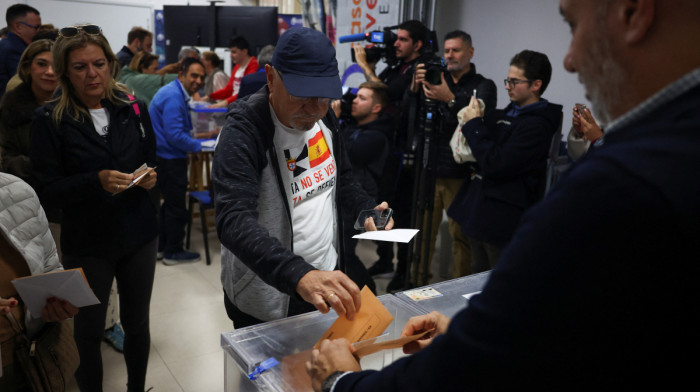
Spaniards began voting on Sunday, (29 November), in an early parliamentary election deciding whether to grant Socialist Prime Minister Pedro Sanchez another term or hand power to conservative opponents who may need far-right support to govern.
You can download the AnewZ application from Play Store and the App Store.
What is your opinion on this topic?
Leave the first comment