Kazakhstan has elected its first unicameral Kurultai, bringing into force a sweeping political overhaul launched less than a year ago. The vote marks a major step in implementing the country’s new Constitution.
From reform plan to new Constitution
President Kassym-Jomart Tokayev first proposed a shift to a single-chamber parliament in autumn 2025 as part of broader constitutional reform. What began as a plan to amend the country’s basic law expanded within months into a complete replacement of the 1995 Constitution.
The new Constitution was approved in a referendum in March 2026 and took effect on 1 July, with the parliamentary election following less than two months later.
What powers will the Kurultai have?
The Kurultai replaces Kazakhstan’s previous bicameral parliament and comprises 145 deputies elected for five-year terms. The authorities say the new structure will strengthen political parties and speed up the legislative process.
The chamber will pass laws and approve the state budget, and will have the power to express no confidence in the government. Its consent is required for the appointment of the prime minister, vice-president, judges of the Constitutional Court and members of several other state bodies.
The Constitution also defines the president’s powers in relation to the new parliament. The head of state nominates the chair of the Kurultai and can dissolve the chamber if deputies twice reject the proposed candidate.
Vice-presidency returns after 30 years
One of the first major decisions under the new system will concern the vice-presidency, a position Kazakhstan abolished in 1996 but has now restored under the new Constitution.
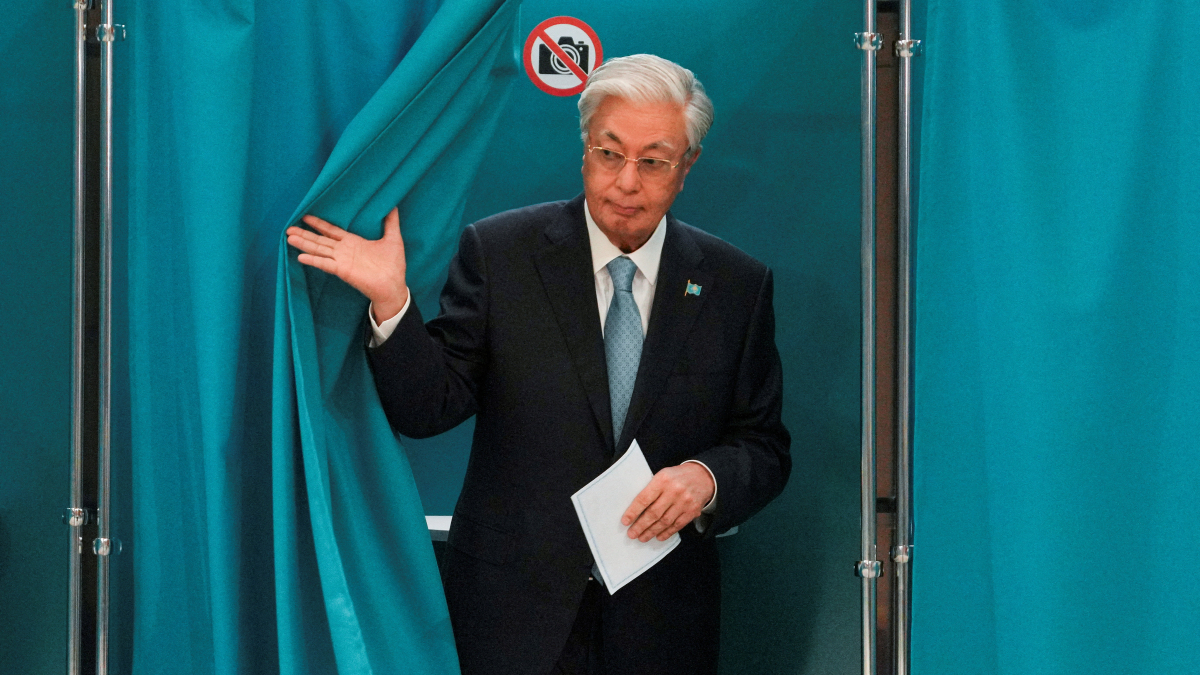
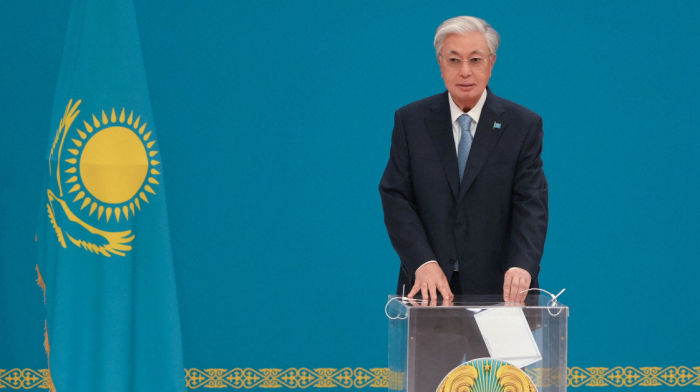
The vice-president is appointed by the president with the consent of the Kurultai. Tokayev told journalists after voting on Sunday that he planned to announce his choice within seven to 10 days.
The return of the post has also fuelled debate over the role it could play in a future transfer of power. The appointment will add a new senior figure to Kazakhstan’s political structure at a time when questions remain about the country’s next presidential election.
Those questions are closely tied to Tokayev’s own political future.
Questions over Tokayev’s political future
Asked on election day whether he might seek another presidential term, Tokayev said a Constitutional Court decision had confirmed his legal right to stand again, but he did not say whether he intended to do so.
“The Constitutional Court made such a decision. It is lawful, of course, and I have the legal right to be re-elected in accordance with the law,” he said. “But as for the upcoming election, whether I will run or not, and in which year, it is premature to speculate on that at this point.”
What happens next?
For now, the next steps are more immediate. The final parliamentary election results must be announced within seven days of the vote, or by Sunday. The composition of the 145-member Kurultai will then be confirmed, followed by its first session.
The appointment of the vice-president will be another early test of the new political system. The coming weeks will offer the first indication of how some of the most significant changes introduced by the new Constitution will work in practice.










What is your opinion on this topic?
Leave the first comment