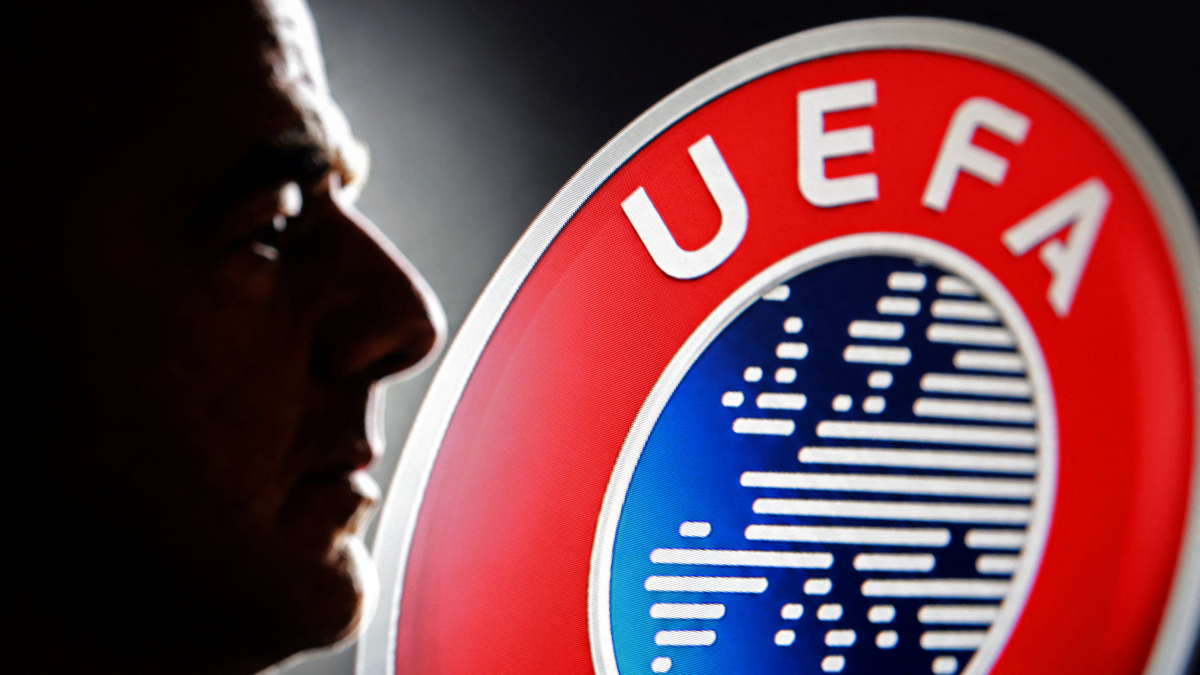
UEFA and its 55 member associations have unanimously voted to boycott all FIFA competitions if the world governing body proceeds with plans to sell stakes in the World Cup and other tournaments to private investors, escalating a growing dispute over the future governance of global football.
FIFA President Gianni Infantino has proposed creating a $20 billion subsidiary to manage the World Cup and other FIFA competitions while selling minority stakes to external investors. FIFA has offered each of its 211 member associations $40 million if they approve the plan by 19 September, with the funds due to be distributed from January 2027.
UEFA said the World Cup "is not for sale" and warned that allowing private investors to acquire ownership interests would fundamentally change the sport by placing commercial returns above football's long-term interests.
"No UEFA national teams will participate in any FIFA competition for so long as these proposals remain alive," the confederation said, adding that participation would resume only if the proposal is withdrawn entirely and FIFA provides binding guarantees that it will not pursue private ownership again.
Growing international opposition
The boycott would have major implications for upcoming FIFA events, including the 2027 Women's World Cup in Brazil and the 2030 Men's World Cup, which is set to be co-hosted by Spain, Portugal and Morocco.
UEFA's position has also been echoed by other regional football bodies. CONCACAF, representing North America, Central America and the Caribbean, rejected the proposal after its own meeting, citing concerns over a lack of transparency, governance and consultation.
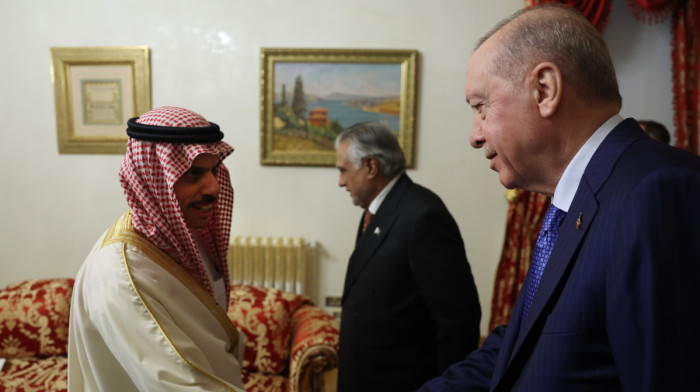
The Asian Football Confederation (AFC) also criticised FIFA, saying it had not been consulted before the proposal was announced and warning that such a significant restructuring could not succeed without the backing of all six continental confederations.
Meanwhile, the Confederation of African Football (CAF) is expected to discuss the proposal next week, while Oceania's confederation plans to review it next month.
South American governing body CONMEBOL has yet to publicly comment.
Players' union raises concerns
The proposal has also drawn criticism from players' representatives: global players' union FIFPRO warned that introducing private ownership into FIFA competitions could permanently alter the priorities and incentives surrounding international tournaments.
The coordinated opposition from UEFA, CONCACAF and the AFC represents one of the biggest challenges to FIFA's leadership in recent years, casting significant doubt over the future of Infantino's investment proposal.
A turbulent period for FIFA
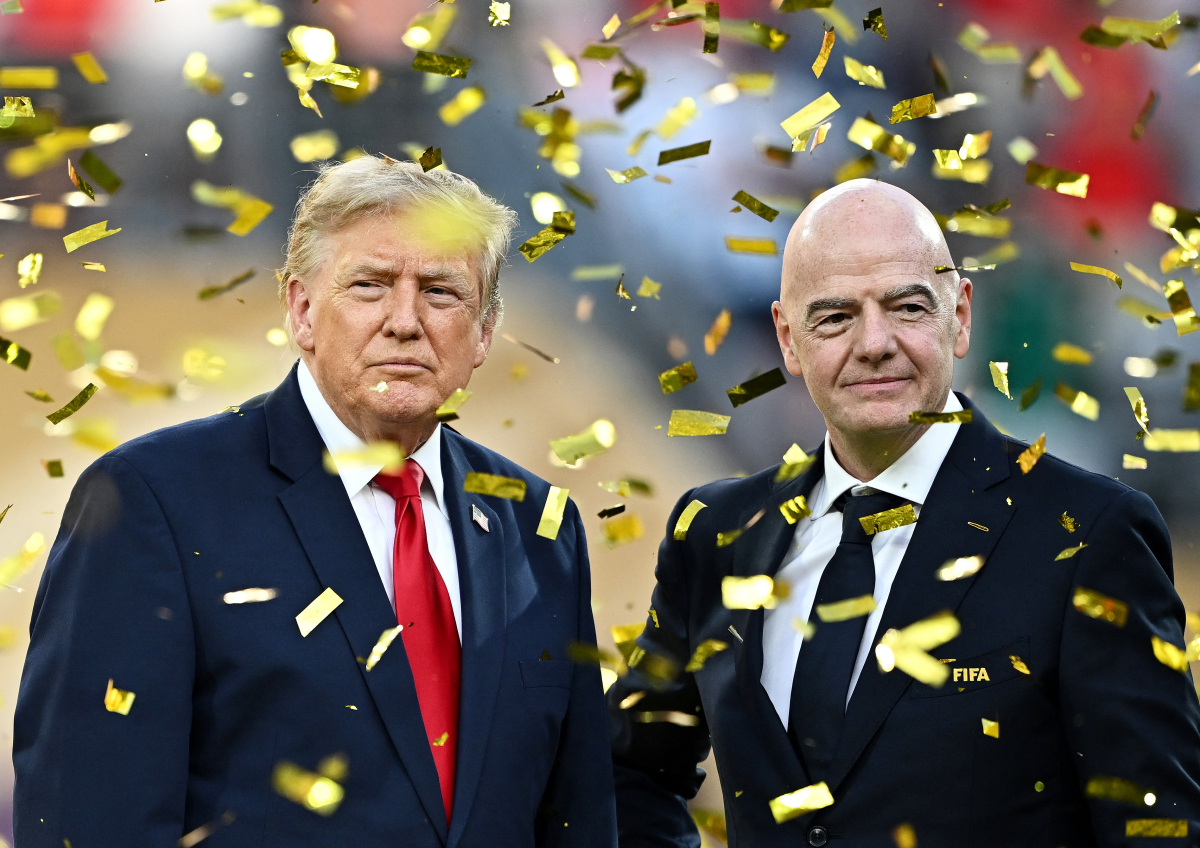
The latest standoff adds to growing scrutiny of FIFA and President Gianni Infantino. Alongside criticism over the expanding international calendar and the commercialisation of the sport, Infantino has faced an ethics complaint backed by the Norwegian Football Federation over allegations he breached FIFA's political neutrality rules through his public support for U.S. President Donald Trump.
Although the IOC recently declined to investigate the case, UEFA's unprecedented boycott threat underscores broader concerns about FIFA's governance and the direction of world football.

















What is your opinion on this topic?
Leave the first comment