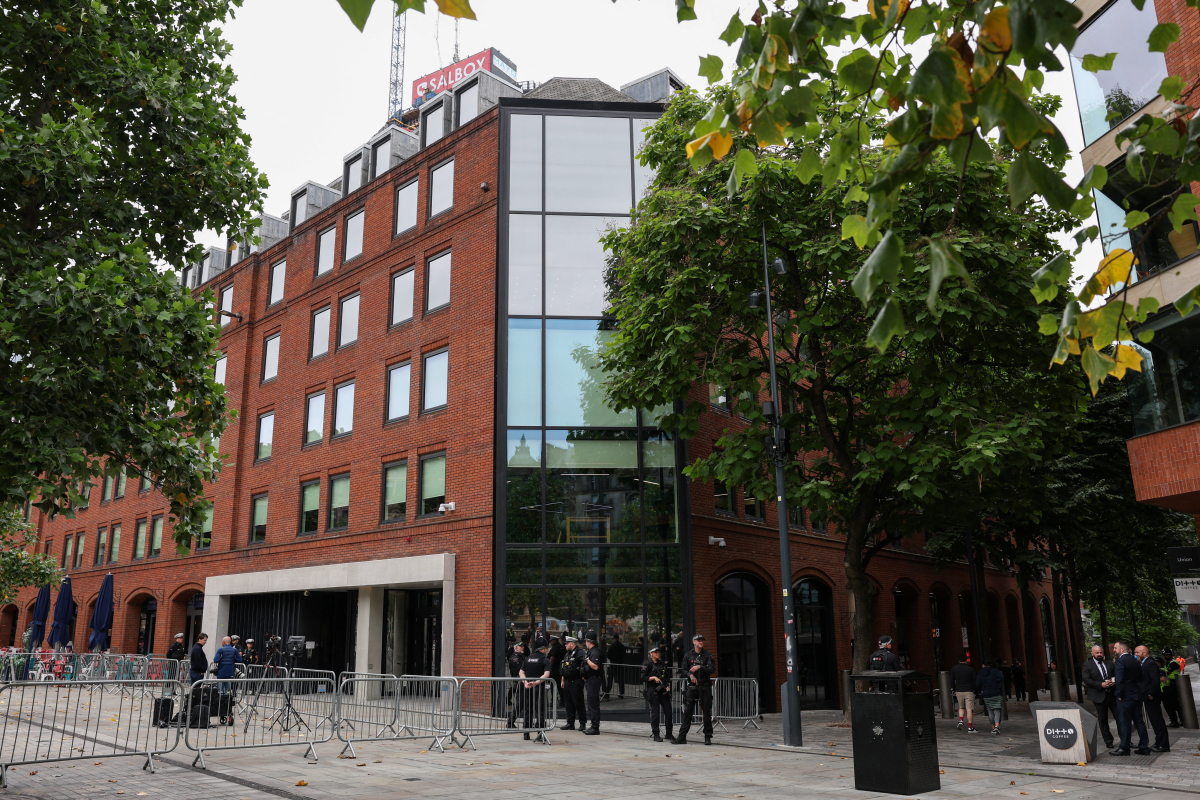
UK Prime Minister Andy Burnham has begun his first week working from No 10 North in Manchester, promising to shift power away from London, strengthen regional decision-making and drive economic growth across the country.
No 10 North opens in Manchester
Based at Heron House in Manchester city centre, No 10 North will serve as the government's new hub for driving growth and coordinating local economic development and devolution.
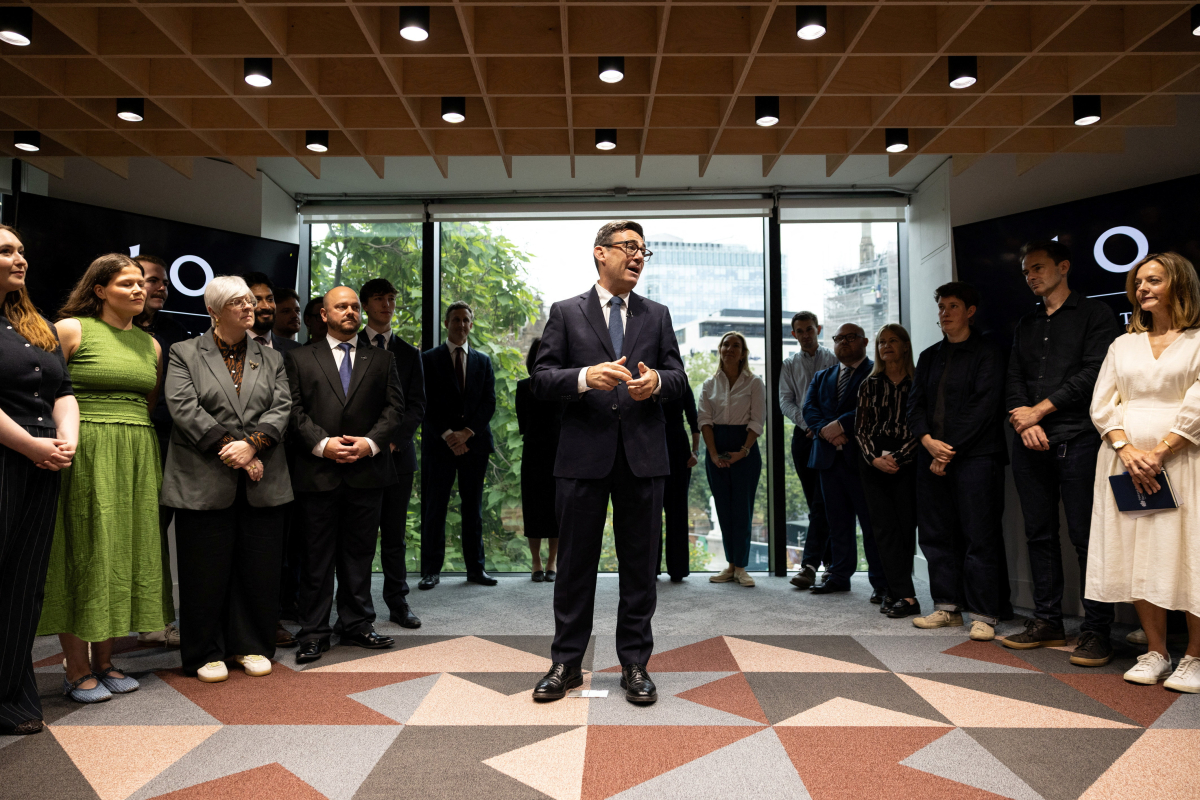
Burnham said the office would help deliver "growth in every corner of the country" by shifting power and resources away from London and giving regions a greater role in decision-making.
"For 40 years, power and resources have been sucked into the centre… No 10 North will change that by putting more power into every postcode across the entire country," Burnham said.
Economic council meets in Manchester
Burnham chaired a meeting of the National Economic Council at No 10 North, bringing together ministers, mayors and economic leaders to discuss growth and investment.
The council, first established in 2008, focuses on strategic decisions relating to devolution and local economic development.
Defending the initiative, Burnham said critics had already dismissed the office as a temporary project.
"There'll be many voices out there, I can hear them all already, often London based, but not exclusively… They like to say, 'Oh, this will just be the new levelling up, or another sort of short-lived gimmick'," he said.
The government has presented No 10 North as a long-term effort to move decision-making closer to the regions, although questions remain over how much authority and funding the office will have in practice.
Cost-of-living measures dominate first week
Burnham's first days in office have focused heavily on measures aimed at easing pressure on households and businesses.
The government announced plans to remove Value Added Tax (VAT) from domestic electricity bills from October, saying the move would save the average household around £45 a year. It also unveiled a 20% cut in business rates for pubs, social clubs and live music venues in England from next April.
Burnham said the business rates reduction would save the average pub around £1,100 a year and benefit nearly 32,000 venues.
The announcements followed earlier measures to cap bus fares, as Burnham sought to demonstrate a more active approach than his predecessor.
Kanishka Narayan appointed AI minister
Alongside the launch of No 10 North, Burnham appointed Kanishka Narayan as Minister of State for Artificial Intelligence in the Cabinet Office and the Department for Business, Innovation, Science and Trade.
Narayan, who previously served as a parliamentary under-secretary in the Department for Science, Innovation and Technology, said the appointment reflected the government's commitment to recognising the importance of AI.
"AI is likely the most significant technology in human history. Its impact will dwarf other things," Narayan wrote on X.
He also highlighted concerns surrounding the technology, saying: "It is right that the British public shares those worries, for jobs, for the pace of change."
The government said AI would play a key role in improving productivity, modernising public services and supporting economic growth. Critics, however, have questioned whether the new minister will have sufficient resources and authority to deliver meaningful change.













What is your opinion on this topic?
Leave the first comment