The European Union has adopted its 21st sanctions package against Russia, imposing its most extensive economic penalties in four years. The measures expand restrictions across the financial, military, cyber and energy sectors while introducing new enforcement tools and broader export controls.
Financial measures
The package tightens restrictions on the Moscow Exchange and blocks the A7 cross-border payment network. It also bans crypto services operating in third countries that help Moscow evade sanctions.
Beyond the financial sector, the EU has expanded export controls targeting Russia's military supply chain for long-range drones and added 51 entities to its export control list.
Cyber and human rights
The sanctions package directly targets Russia's FSB 16th Centre, holding the intelligence unit responsible for cyber espionage and sabotage across EU member states.
The package also freezes the assets of 15 individuals and one entity linked to war crimes and the torture of Ukrainian prisoners of war.
Energy measures
The EU has set a new price cap of U.S.$44 per barrel on Russian oil for the next 12 months.
The original price cap, introduced in 2022, was U.S.$60 per barrel, while the global market price for crude oil is currently around U.S.$80 per barrel.
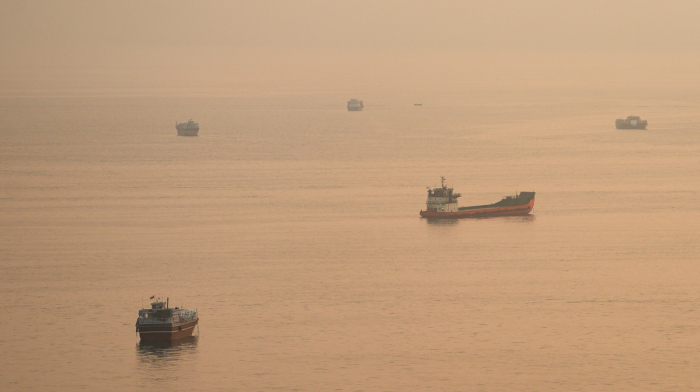
The bloc has also blacklisted additional tankers operating in Russia's "shadow fleet", targeting vessels used to transport Russian oil while evading international restrictions.
Exemptions to secure agreement
The package required unanimous approval from all EU member states, and the final agreement includes several exemptions.
Greece secured an exemption allowing its shipping fleet to transport Russian liquefied natural gas (LNG) to non-EU countries.
Following pressure from Bulgaria, the head of the Russian Orthodox Church and the founder of Lukoil were removed from the blacklist.
Portugal and Germany blocked a proposed ban on Russian seafood imports.
Austria delayed sanctions against an investment firm linked to Raiffeisen Bank, which is currently exposed to more than €2 billion in losses in Russia.
Final agreement
The 21st sanctions package significantly strengthens restrictions on Russia's financial system, military supply chains, cyber operations and energy exports. At the same time, the exemptions illustrate the compromises made by member states to secure unanimous approval for the measures.









What is your opinion on this topic?
Leave the first comment