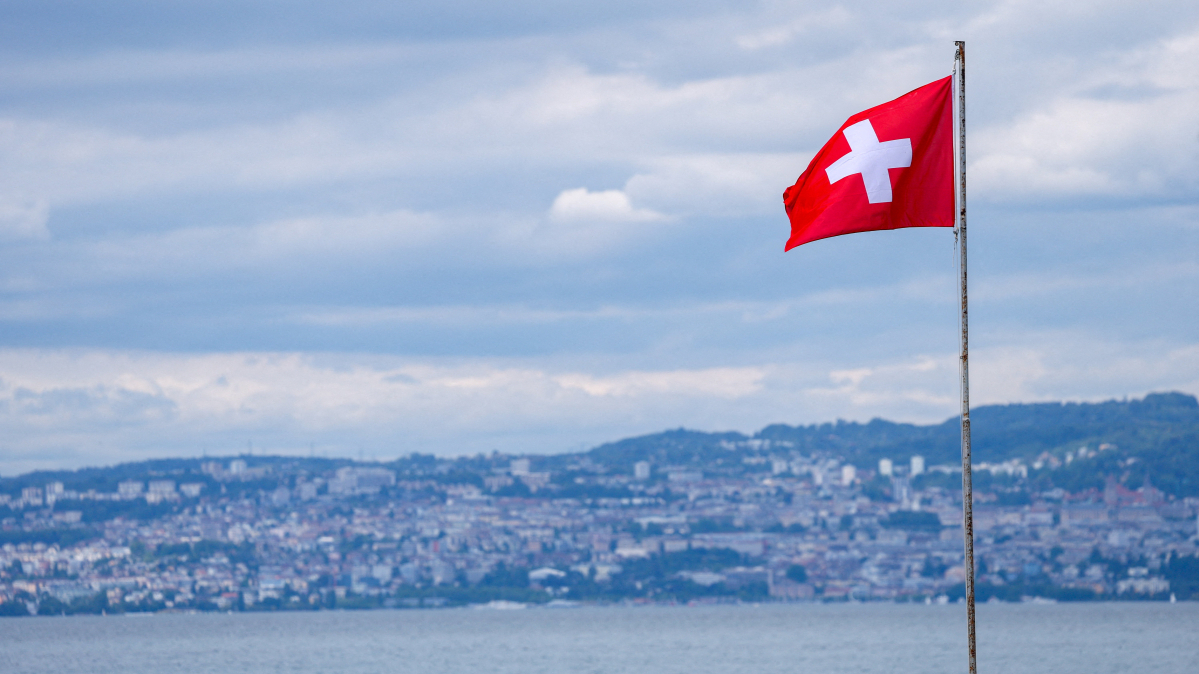
Swiss voters have overwhelmingly rejected stricter neutrality rules that would have limited the country’s ability to impose sanctions and cooperate with NATO, with more than 70 per cent voting against the proposal.
Official final results from Switzerland’s Federal Statistical Office showed that 70.15 per cent of voters rejected the initiative, while 29.85 per cent supported it. The proposal failed in every canton, with voter turnout at 47.06 per cent.
The initiative sought to enshrine a more restrictive interpretation of Swiss neutrality in the constitution.
It would have prevented Switzerland from joining or cooperating with military or defence alliances unless the country was attacked or faced an imminent military threat.
The proposal would also have barred Switzerland from imposing sanctions on countries involved in armed conflicts unless the measures were approved by the United Nations.
Under current policy, Switzerland can cooperate with other countries and security partners while maintaining its neutral status and can adopt international sanctions.
Government says result preserves room for manoeuvre
Foreign Minister Ignazio Cassis said the result should not be seen as a rejection of neutrality itself.
He said Switzerland remains neutral and that the result gives the government room to continue making decisions about economic sanctions on a case-by-case basis while working with international partners when such cooperation strengthens national security.
Cassis also stressed that Switzerland’s security is closely linked to stability elsewhere in Europe.
Russia sanctions were central to the debate
The Swiss People’s Party, or SVP, which supported the initiative, argued that Switzerland’s traditional neutrality had been weakened after Bern adopted sanctions against Russia following its invasion of Ukraine.
Supporters wanted clearer constitutional limits on Switzerland’s participation in sanctions and security cooperation.
Opponents, including the Swiss government and most major political parties, argued that the proposal would unnecessarily restrict Switzerland’s ability to respond to international crises and protect its security interests.
SVP accepts referendum defeat
Following the vote, the SVP acknowledged its defeat and said it had no immediate plans for further action.
SVP lawmaker Lukas Reimann said he was disappointed by the outcome but welcomed what he described as widespread public support for the principle of Swiss neutrality.
He said the party would continue to scrutinise future government decisions, particularly if Switzerland adopted tougher sanctions or took steps that the SVP considered inconsistent with neutrality.
Switzerland retains existing neutrality policy
Swiss neutrality has been internationally recognised since the 19th century and has formed part of the country’s constitutional framework since 1848.
The initiative’s rejection means the government retains the flexibility to cooperate with international partners and participate in sanctions while maintaining Switzerland’s formal neutral status.













What is your opinion on this topic?
Leave the first comment