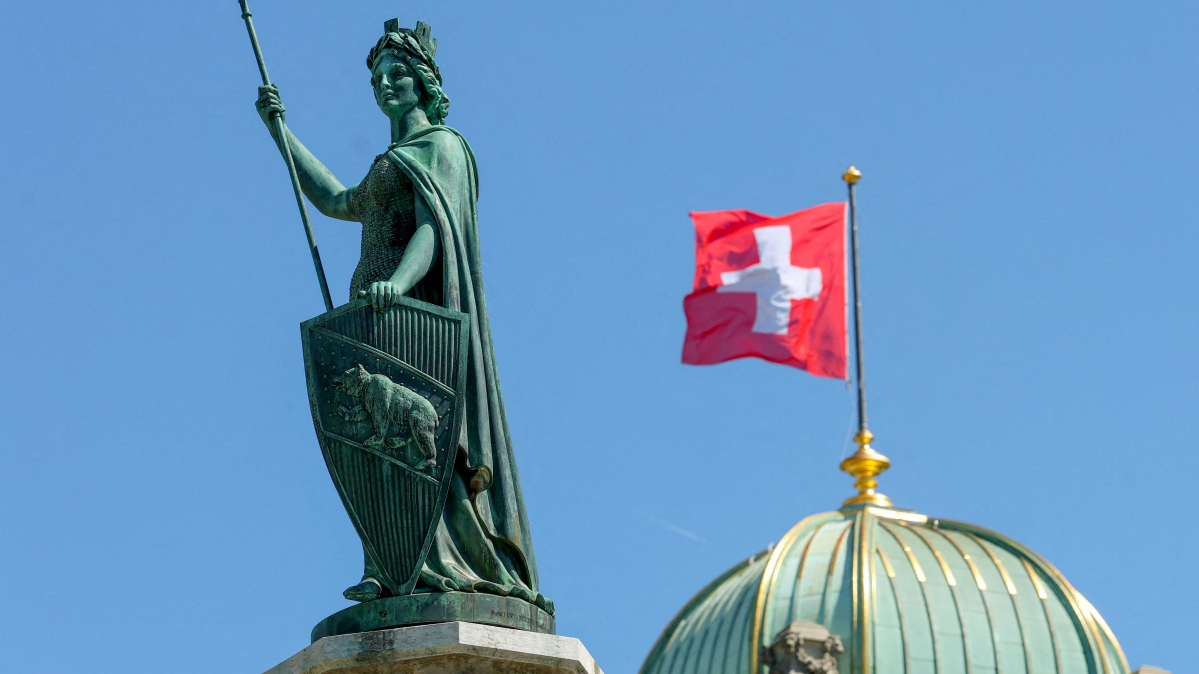
Swiss voters are due to decide on Sunday, 27 September, whether to enshrine a stricter interpretation of the country’s long-standing neutrality in the constitution, in a referendum that has reopened debate over Switzerland’s role in European security and international diplomacy.
The referendum initiative, backed by the right-wing Swiss People’s Party (SVP), seeks to make Switzerland’s neutrality stricter and more clearly defined in the constitution.
If voters agreed, Switzerland would have to remain permanently neutral and could not join or co-operate with military alliances such as NATO, unless the country were attacked or faced an imminent attack.
It would also bar Switzerland from imposing sanctions on countries at war, apart from measures mandated by the United Nations or aimed at preventing sanctions evasion.
Supporters argue that clearer constitutional rules would protect Switzerland’s traditional role as a neutral mediator and prevent its neutrality from being altered by political circumstances.
Russia sanctions at centre of debate
The dispute intensified after Switzerland adopted most European Union sanctions against Russia following Moscow’s invasion of Ukraine. The government maintains that such measures are compatible with neutrality and allow Switzerland to respond to violations of international law.
Foreign Minister Ignazio Cassis has argued that flexibility is essential, saying, “Switzerland has been and is neutral, and it will remain neutral.”
The Federal Council says the proposed changes would restrict its ability to respond to changing security circumstances.
Opponents also warn that tighter rules could constrain security cooperation with European countries and NATO in areas such as defence and cyber security.
Polls show opposition
Recent polling indicates that the proposal faces significant opposition. A GFS Bern survey cited by Reuters found 63 per cent opposed and 34 per cent in favour, while another poll put opposition at 68 per cent.
Switzerland’s neutrality has been internationally recognised since 1815 and has been enshrined in its constitution since 1848. The referendum therefore centres not on whether Switzerland should remain neutral, but on how strictly that neutrality should be defined and applied.
Read more about Switzerland:











What is your opinion on this topic?
Leave the first comment