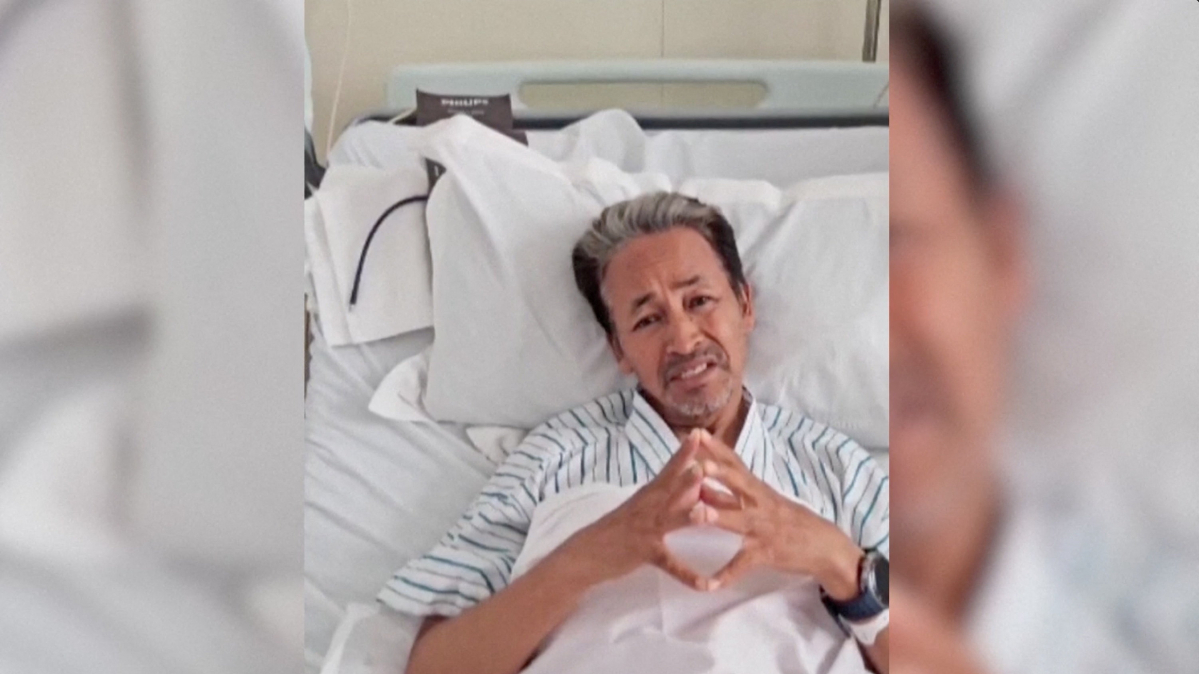
Indian activist Sonam Wangchuk has ended a 26-day hunger strike after holding talks with government ministers, offering the first sign of possible dialogue between authorities and the youth movement that has shaken Prime Minister Narendra Modi's government.
Wangchuk, 59, announced that he had broken his fast following what he described as "a long negotiation on various conditions" with two federal ministers, adding that concerns over possible violence had also influenced his decision. He said he would explain the outcome of the discussions in a video message.
His hunger strike became a rallying point for students protesting alleged leaks in India's national entrance examinations, with demonstrators accusing the government of failing to safeguard one of the country's most important tests.
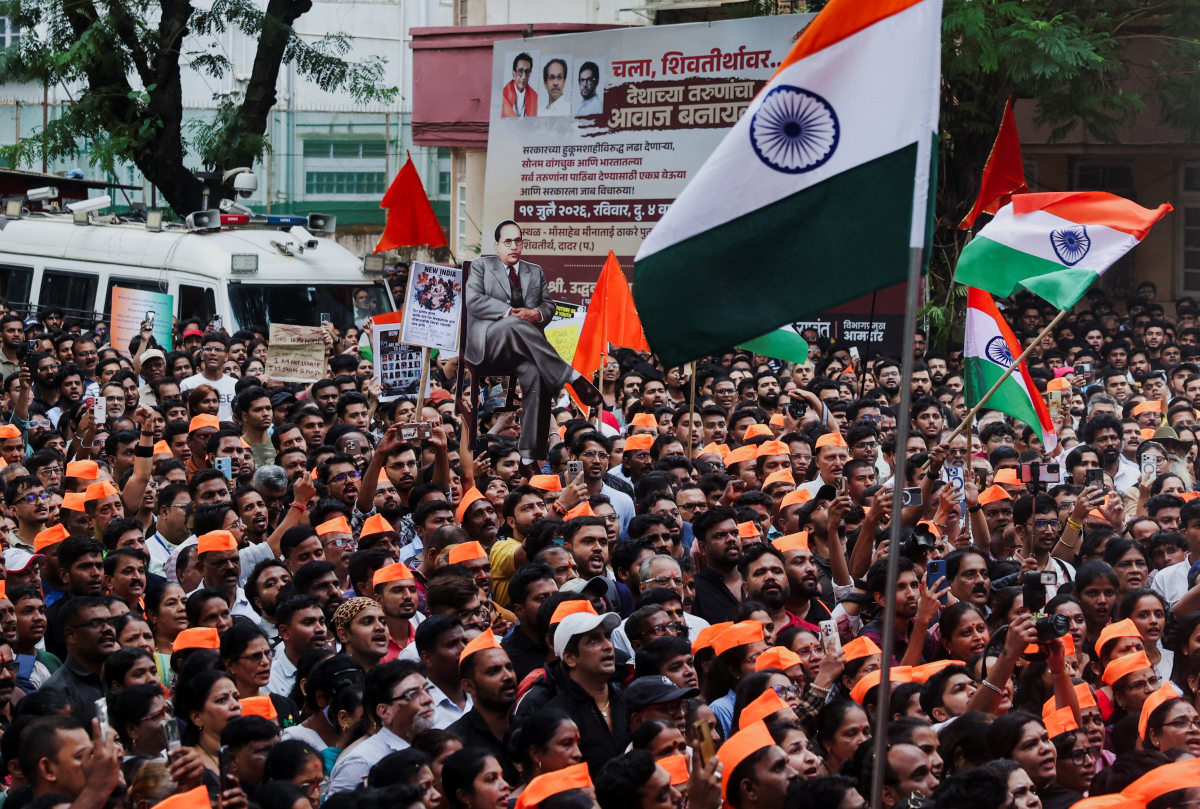
While Wangchuk has ended his fast, the protests show no sign of easing.
Leaders of the youth-led Cockroach Janta Party (CJP), which has organised the demonstrations, are due to meet government representatives on Friday. However, they insist negotiations will not halt nationwide protests.
"We hope that the government comes with an open mind and it will listen to the people of this country who have been out on the roads for so long," CJP spokesperson Saurav Das said ahead of the meeting.
"We are not backing out," he added. "Real awakening starts from the grassroots and that is what we really need."
A movement born online
The CJP began as an online satirical campaign but has rapidly evolved into the largest youth-led challenge to Modi since he came to power in 2014.
At the centre of the unrest are allegations that papers for India's medical entrance examination, taken by around two million students in May, were leaked before the test.
Protesters argue that the scandal undermined the credibility of the examination system, disadvantaged honest candidates and exposed deeper problems within India's education system.
The movement has also linked the controversy to several student suicides and is demanding the resignation of Education Minister Dharmendra Pradhan.
The protests have spread well beyond the capital, with demonstrations reported in cities including Kolkata, Pune, Ranchi and Thiruvananthapuram. In Delhi, thousands of people have remained camped at the Jantar Mantar protest site despite heightened security.
The demonstrations have repeatedly brought parts of Delhi to a standstill.
Authorities have closed metro stations across central Delhi for the third time this week, suspended mobile internet services in key areas and imposed restrictions affecting businesses around Connaught Place in an effort to contain the unrest.
Police have clashed with protesters on several occasions, using tear gas and batons during a march towards parliament earlier this week. Further violence was reported after another large gathering at Jantar Mantar, with police saying several officers were injured.
Government promises reform
Facing growing political pressure, Modi's government has proposed tougher legislation to punish those responsible for examination paper leaks and plans to establish fast-track courts to prosecute offenders.
"Nothing is more important than the welfare and future of our youth!" Modi wrote on X.
The proposals have failed to satisfy protest leaders, who argue that stronger punishments do little to address the systemic failures that allow papers to be leaked in the first place.
"But Modi-ji, tell us why are paper leaks happening in this country in the first place?" CJP spokesperson Ashutosh Ranka said.
"Fast-track courts are set up in this country for every other issue, but whether those fast-track courts have actually solved those issues - you know the answer to that question, and so do we."
The examination scandal has become more than a dispute over education policy. Analysts say it has tapped into wider frustration among young Indians over unemployment, fierce competition for limited opportunities and declining confidence in public institutions.
Opposition parties have backed many of the protesters' demands and repeatedly disrupted parliament's monsoon session, turning the crisis into one of the most significant political tests of Modi's third term.
Friday's meeting between ministers and protest leaders will be the first formal attempt to bridge that divide, but with demonstrations set to continue, expectations for a swift resolution remain low.
Read more:












What is your opinion on this topic?
Leave the first comment