A satirical online campaign has become one of the largest youth-led protest movements against Prime Minister Narendra Modi’s government, fuelled by anger over exam failures, unemployment and concerns about India’s education system.
From online satire to street protests
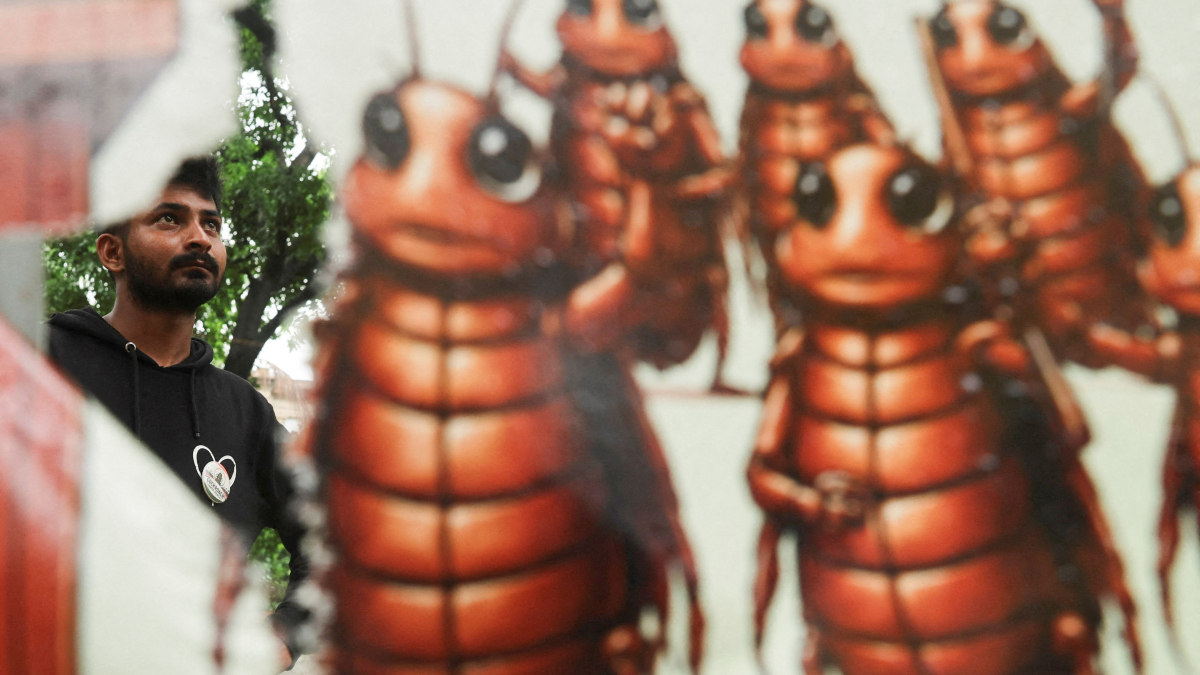
The Cockroach Janta Party (CJP) began in May as a social media movement built around humour and satire.
Founded by Abhijeet Dipke, the group adopted the image of a cockroach as a symbol of resilience and frustration among young Indians. The name was linked to controversy over comments comparing some unemployed young people to "cockroaches".
What started as an online campaign quickly gained millions of followers, particularly among India's Generation Z population. The movement has since expanded beyond social media, with thousands of supporters taking part in protests in New Delhi and other cities.
The exam scandal that sparked anger
The immediate trigger for the protests was the leak of question papers for India's National Eligibility cum Entrance Test (NEET), the country's main medical school entrance examination.
Around two million students took the exam, but it was later cancelled following allegations that question papers had been leaked. A re-examination was held in June.
Protesters are demanding the resignation of Education Minister Dharmendra Pradhan, accusing the government of failing to prevent corruption and repeated examination failures.
Several student deaths were linked by local media to the fallout from the cancelled exam, intensifying public anger.
Why NEET matters
NEET is one of India's most competitive examinations and the only gateway to undergraduate medical courses across the country.
Millions of students compete each year for a limited number of places, making success in the exam a key route to professional opportunities.
For many families, years of preparation and significant financial investment depend on the outcome, meaning exam irregularities can have serious consequences for students' futures.
Beyond exam leaks: Wider youth frustration
Analysts say the movement reflects broader concerns among India's young population.
Although the exam scandal triggered the protests, supporters have also highlighted issues including unemployment, rising living costs and limited opportunities despite higher education.
India has one of the world's largest youth populations, with more than half of its people under the age of 30.
The rapid growth of the CJP movement has highlighted a belief among many young Indians that traditional political parties have failed to address their concerns.
Government faces growing pressure
The protests have become one of the most significant public challenges facing Modi's government since he began his third term.
Prime Minister Narendra Modi has said those responsible for the exam leaks will be punished and has called for stronger safeguards to prevent future breaches.
Education Minister Dharmendra Pradhan has also said the government is committed to addressing students' concerns and implementing reforms.
Government representatives have held talks with protest leaders, but officials have not accepted demands for Pradhan's resignation.
Can the movement become a political force?
The rise of the Cockroach Janta Party demonstrates the growing influence of online activism among young Indians.
However, analysts say transforming social media popularity into a lasting political movement will require more than online support.
The group will need stronger organisation, a broader presence beyond digital platforms and a long-term strategy if it is to maintain its momentum.
For now, the movement has transformed a viral online campaign into a national conversation about education, jobs and the future of India's young people.

















What is your opinion on this topic?
Leave the first comment