TRIPP marks first year: What has been achieved and what comes next
One year after its launch, the Trump Route for International Peace and Prosperity (TRIPP) has emerged as one of the most significant diplomatic and ec...
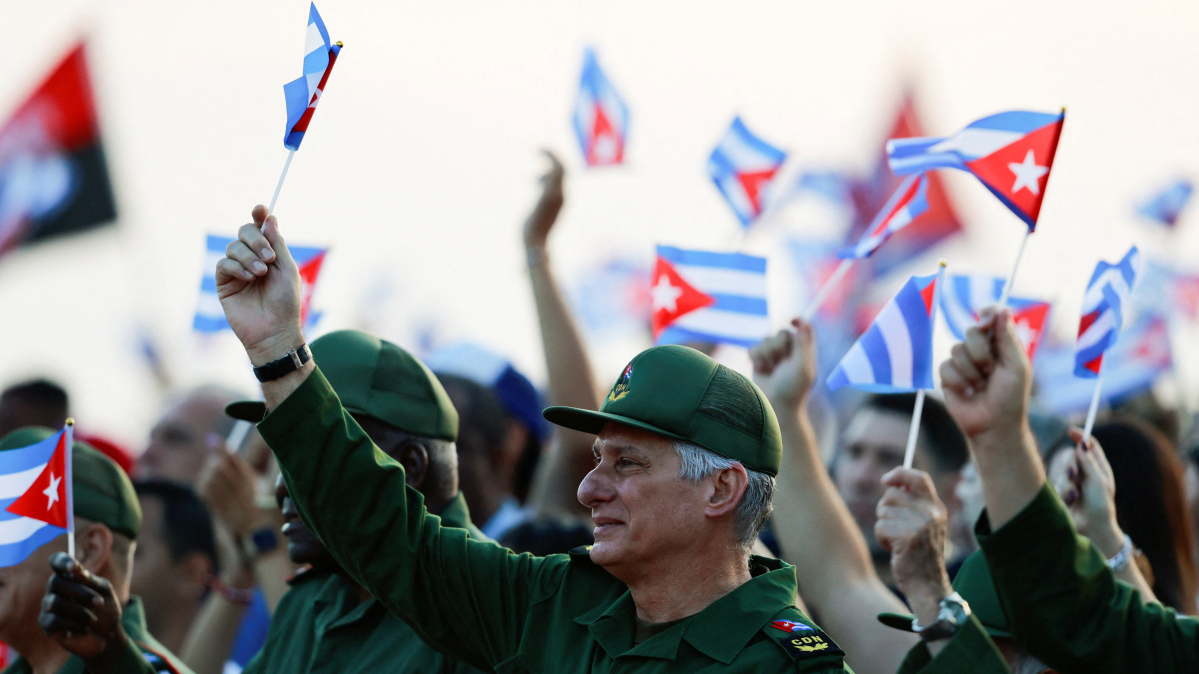
Cuban President Miguel Díaz-Canel has criticised the latest U.S. sanctions on Cuba, accusing Washington of reviving a "new and more dangerous version of McCarthyism" through a campaign against what he called the global "radical left."
In a post on X, Díaz-Canel claimed transnational far-right alliances are being promoted in ways that "recall Hitlerite fascism" and questioned whether accusations against the left are being used to justify "new abuses and greater aggression."
The Cuban leader also accused the United States and its allies of responsibility for the war in Gaza, the bombing of a girls' school in Iran, the persecution of migrants and the decades-long U.S. embargo on Cuba, saying such actions threaten global peace.
The remarks come as Cuba faces a deep economic crisis, with severe fuel shortages, prolonged power cuts and a contracting economy.
Cuban authorities blame much of the situation on tighter U.S. restrictions, saying they have disrupted oil supplies and limited the country's access to international financing.
On 1 May, U.S. President Donald Trump signed an executive order imposing new sanctions on Cuban officials and entities, citing repression and threats to U.S. national security. Earlier this year, he also established a mechanism to impose tariffs on goods from countries that sell or supply oil to Cuba.

Shipping traffic through the Strait of Hormuz and the Bab el-Mandeb Strait, two key maritime chokepoints in the region, decreased significantly from the previous day, according to shipping data.
U.S. President Donald Trump said negotiations to reopen the Strait of Hormuz are progressing and suggested an agreement with Iran could be reached “soon”.
Start your day informed with AnewZ Morning Brief. Here are the top news stories for the 6th of August, covering the latest developments.
Kazakhstan’s main oil export corridor was disrupted by drone strikes near Russia’s Black Sea coast in July, forcing a temporary suspension of crude loadings and raising fresh concerns over the vulnerability of regional energy infrastructure to the war in Ukraine.
Extreme heat and historically low river levels are forcing nuclear power plants across Southeast Europe to reduce production, increasing pressure on already stretched electricity supplies and prompting governments to call for lower consumption.
One year after its launch, the Trump Route for International Peace and Prosperity (TRIPP) has emerged as one of the most significant diplomatic and economic initiatives in the South Caucasus, linking peace efforts between Armenia and Azerbaijan with expanding trade and regional connectivity.
U.S. President Donald Trump may have to accept concessions he previously opposed if he wants to secure a deal with Iran to reopen the Strait of Hormuz, according to analysts, as negotiators move closer to a temporary agreement.
Italy is considering Armenia as a possible location for a migrant reception or repatriation centre, according to media reports.
Uzbek exporters say repeated disruptions to Wildberries' logistics network in Russia have slowed deliveries and affected overseas sales, prompting the government to hold talks with the online marketplace's management.
Thailand's prime minister has pledged to introduce tougher gun laws after a school shooting outside Bangkok left at least eight people dead, including the suspected teenage gunman.
You can download the AnewZ application from Play Store and the App Store.
What is your opinion on this topic?
Leave the first comment