It has been a punishing week for large parts of China, and forecasters warn the worst may not be over. After Typhoon Maysak left a trail of destruction and at least 23 people dead, Super Typhoon Bavi is now threatening the country's eastern coast.
Aftermath of Typhoon Maysak
The trouble began with Typhoon Maysak, the first typhoon to make landfall in China this year. It struck the southern island province of Hainan before sweeping into the Guangxi Zhuang Autonomous Region, where it caused widespread damage.
At least six people were killed in Guangxi, more than 130,000 were evacuated from their homes, and at least 11 people remain missing. Some parts of the region recorded more than 700 millimetres of rainfall in just 24 hours, an extraordinary amount that overwhelmed rivers and waterways.
At least 40 rivers in Guangxi burst their banks, prompting authorities to issue the highest-level red flood alert. President Xi Jinping called for all-out rescue efforts as footage showed workers in life jackets searching for missing people in inflatable boats through streets transformed into rivers.
Tornadoes add to devastation
As if that were not enough, the remnants of Maysak moved north into central China, where they spawned at least two tornadoes.
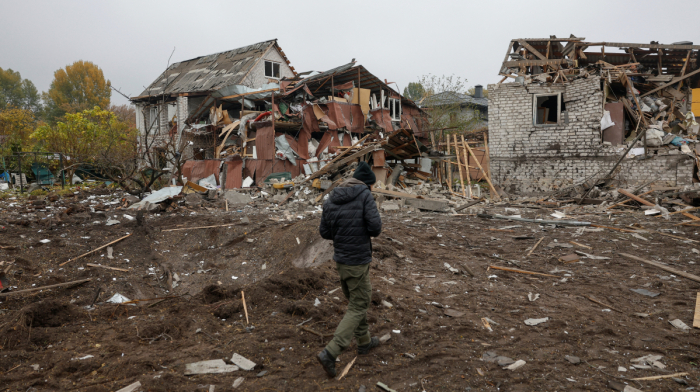
The tornadoes killed at least 17 people, injured hundreds more and forced tens of thousands of additional residents to flee. Images from the affected areas showed collapsed buildings and scenes of widespread destruction that resembled a war zone more than the aftermath of a summer storm.
Super Typhoon Bavi approaches
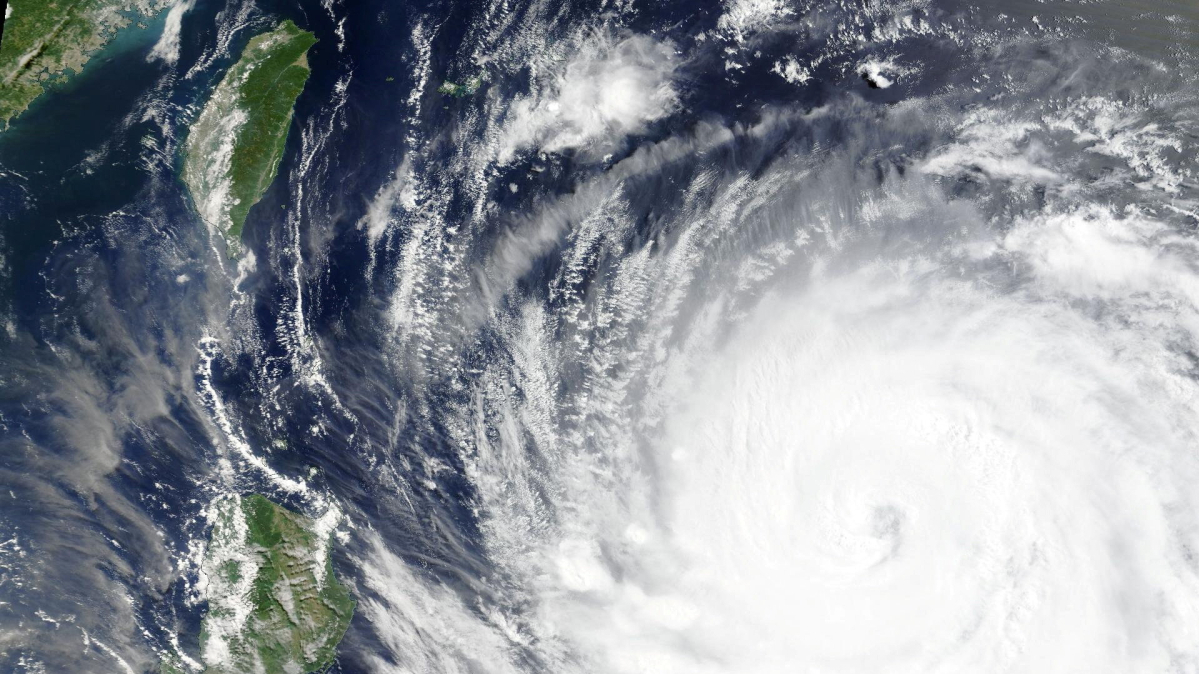
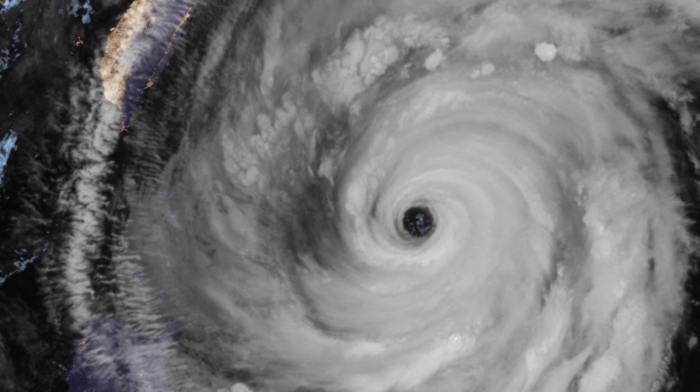
Before China has had time to recover, Super Typhoon Bavi is now approaching.
The storm is packing sustained winds of 250 kilometres per hour, equivalent to a Category 4 hurricane, and briefly reached 290 kilometres per hour when it struck the U.S. island of Rota in the western Pacific, causing widespread damage.
Bavi is expected to pass near Taiwan and Japan's Yaeyama Islands around 11 July before making landfall on China's eastern coast around 12 July. It is forecast to weaken as it moves inland, eventually dissipating west of Shanghai by 13 July, but not before bringing destructive winds and torrential rain to eastern China.
Experts have warned the storm could penetrate deep inland, with heavy rainfall potentially extending into the Yangtze River basin and even parts of northern China.
Active typhoon season expected
China's National Climate Centre says July is shaping up to be a more active typhoon month than usual.
Forecasters expect between four and six typhoons to develop over the north-western Pacific and the South China Sea during July, with two or three likely to make landfall or significantly affect China's coastal regions.
Officials have urged local governments to prepare emergency plans and brace for the combined threats of heavy rain, flooding, strong winds and storm surges.
Climate change increasing risks
Scientists say the intensity of this year's storms is not a coincidence.
Climate change is making typhoons wetter and more destructive, while the possible emergence of an El Niño weather pattern - a warming of sea surface temperatures in the Pacific that tends to shift typhoon tracks westwards towards China's coast - is increasing the risk.
One expert described the 2026 typhoon season as more intense and damaging than a typical year, with the science pointing to a future in which storms such as Maysak and Bavi become less exceptional and more commonplace.
Communities prepare for impact
For the millions of people living along China's eastern coastline in Bavi's projected path, the next 72 hours are likely to be anxious.
Evacuation orders are being prepared, fishing vessels have been recalled to port, and emergency services remain under pressure after a week of responding to Maysak's aftermath.
China has faced powerful typhoons before and has developed extensive experience and infrastructure to help manage their impact.















What is your opinion on this topic?
Leave the first comment