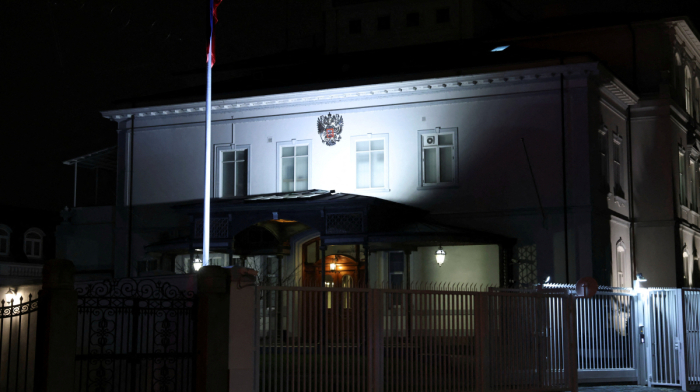
Denmark urges EU to tighten Russian visa restrictions after alleged assassination plot
Denmark has urged European Union countries to introduce tougher travel restrictions on Russian nationals following allegations that Moscow's in...
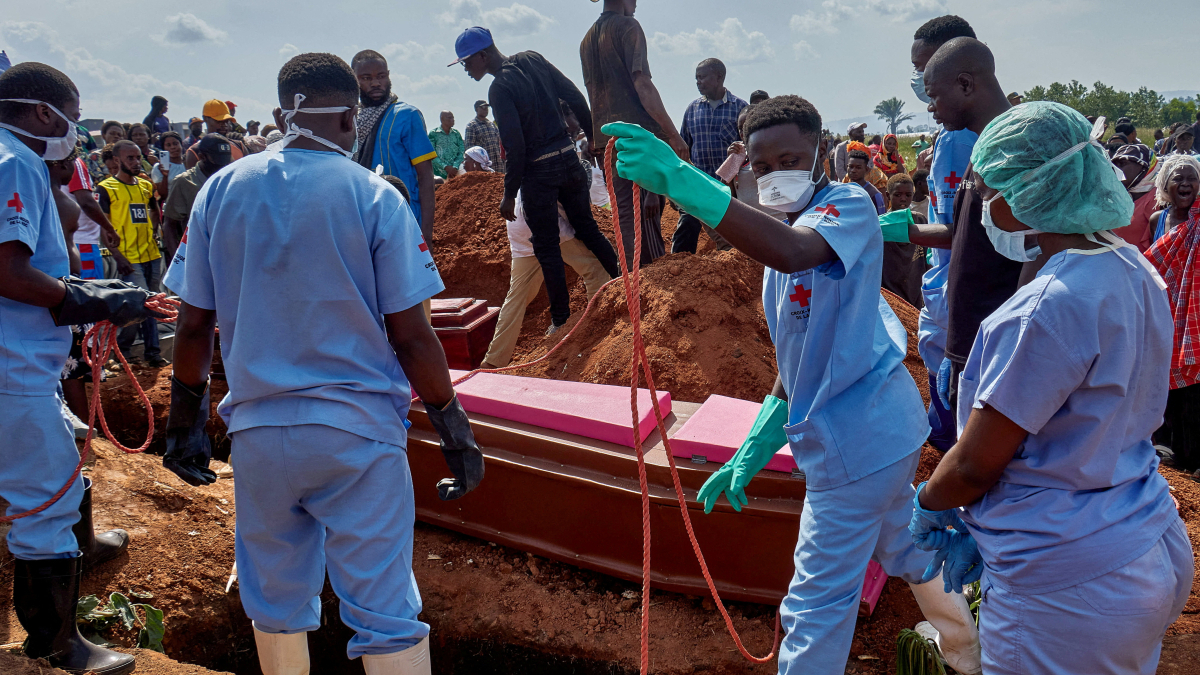
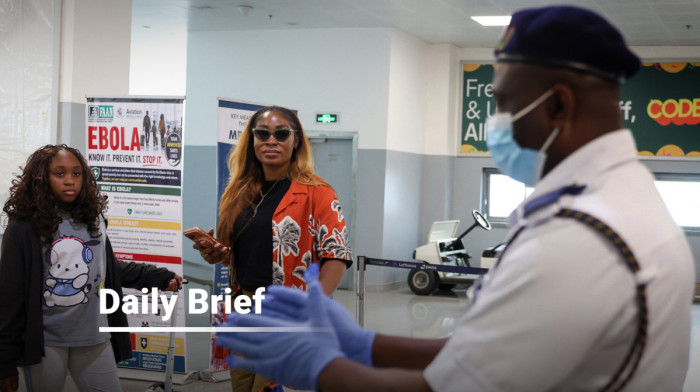
The number of confirmed Ebola cases in the Democratic Republic of Congo has climbed to 1,759, including 600 deaths, according to government data released on Wednesday.
The latest situation report recorded 51 new cases and 20 additional deaths in the previous 24 hours, highlighting the continued spread of the outbreak.
The epidemic, caused by the Bundibugyo strain of the Ebola virus, is already among the largest Ebola outbreaks recorded in the country.
Health officials and the World Health Organization (WHO) have warned that the outbreak remains in an expansion phase, with population movements and limited healthcare capacity complicating efforts to contain transmission.
The outbreak was declared in May and has primarily affected the northeastern provinces of Ituri, North Kivu and South Kivu in the African country.
WHO officials have said treatment centres in some affected areas are nearing capacity, while healthcare workers continue to face shortages of protective equipment and other resources.
The Bundibugyo strain has posed particular challenges because there is currently no approved vaccine or specific treatment for the virus, although clinical trials of potential therapies are underway.
The WHO and international health agencies continue to support Congolese authorities with surveillance, contact tracing, treatment and community awareness campaigns as they seek to bring the outbreak under control
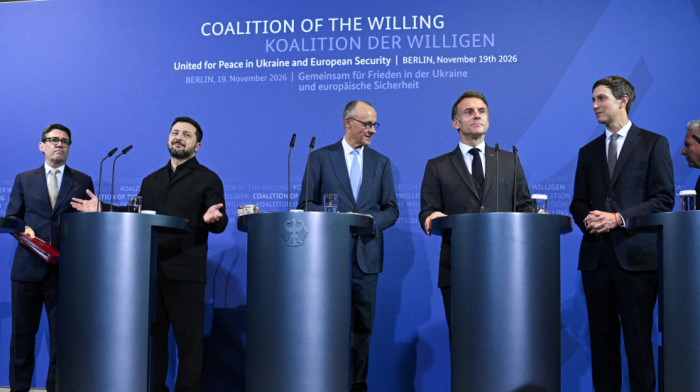
European leaders backing Ukraine met in Berlin on Thursday 19 November and warned that no peace deal should be settled without them.
Three people have been killed and around 15 injured after Russian ballistic missiles struck three bridges over the Dnipro River in Kyiv, according to the Ukrainian capital’s mayor, Vitali Klitschko.
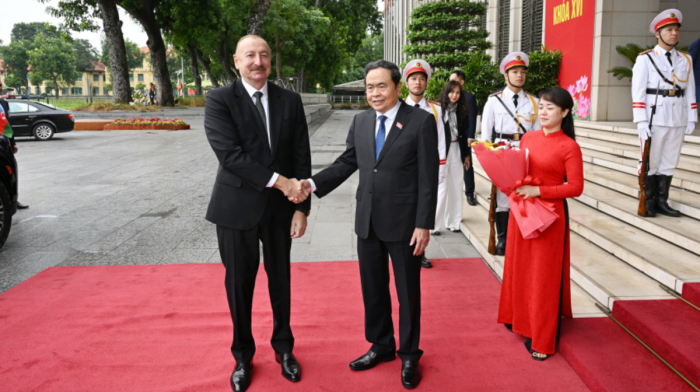
Azerbaijani President Ilham Aliyev met Vietnamese Prime Minister Le Minh Hung in Hanoi on 20 November, during a visit highlighting the longstanding friendship and growing strategic partnership between the two countries.
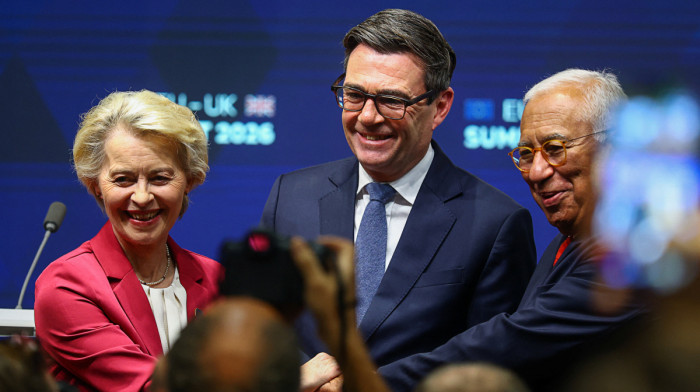
Britain and the European Union have reached an agreement to ease trade, expand opportunities for young people and deepen economic ties, in a major step towards rebuilding relations after Brexit.
Georgia has declared 22 November 2026 a national day of mourning following a deadly residential building collapse in the Kvemo Ponichala district of Tbilisi.
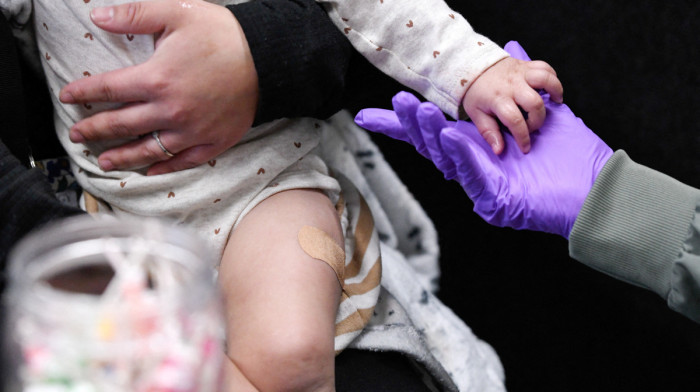
For the first time in more than a quarter of a century, the United States can no longer say it has eliminated measles as health experts warn the American outbreak reflects a collapse in trust in vaccines.
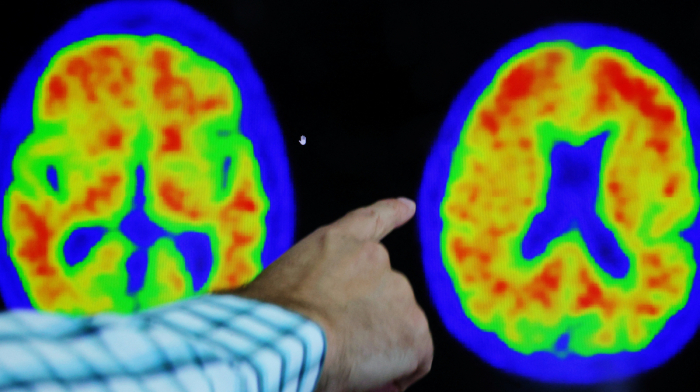
A new study in mice suggests the brain’s protective barrier does more than block harmful substances. It also delivers essential proteins from the body, a process that may break down early in Alzheimer’s disease and offer a new target for treatment.
Here's your AnewZ Daily Brief for the 5th of November, as health emergencies, humanitarian crises, political shifts, and cybersecurity threats put governments and essential services under pressure across the globe. Here are five stories worth your attention.
Kazakhstan plans to manufacture 494 types of medicines through eight major investment projects worth a combined $862 million, Health Minister Akmaral Alnazarova announced on 3 November, local media reported.
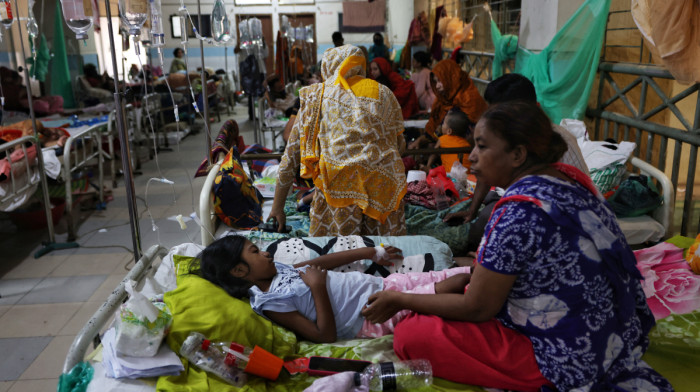
Dengue fever has killed more people in Bangladesh this year than in the whole of 2025, with October the deadliest month so far, data from Bangladesh's Health Ministry shows.
You can download the AnewZ application from Play Store and the App Store.
What is your opinion on this topic?
Leave the first comment