The United States has informed the African Union that it will no longer support United Nations logistical assistance for the AU peacekeeping mission in Somalia beyond 2026, a decision that could threaten the future of the operation and raise concerns about security in the country.
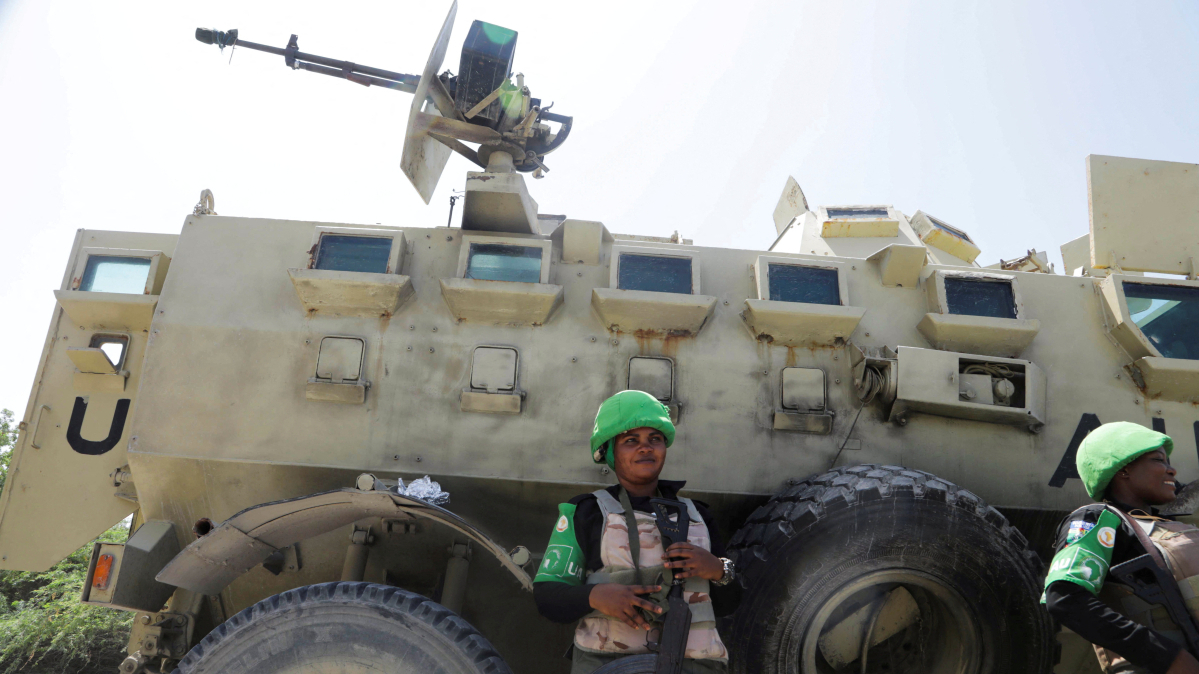
The African Union Support and Stabilisation Mission in Somalia (AUSSOM) is a nearly 12,000-strong force that supports Somalia's government in its fight against the al Qaeda-linked militant group al-Shabaab.
The mission provides critical security assistance, helping government forces defend key population centres and maintain pressure on insurgents who continue to control large areas of southern and central Somalia.
However, AUSSOM relies heavily on the United Nations Support Office in Somalia (UNSOS) for essential logistical services, including food, fuel, water, medical support and troop transportation. Without that backing, analysts and officials warn that the mission could struggle to continue operating effectively.
According to a diplomatic note dated 1 July and reviewed by Reuters, Washington notified the African Union that it would not support the continuation of UNSOS beyond the end of this year. While the United States said it would not oppose a renewal of AUSSOM's mandate by the UN Security Council, it would oppose any extension that includes UN-funded logistical or operational support.
Frustration with Somalia's progress
The decision reflects growing frustration within the administration of President Donald Trump over Somalia's security and political progress. US officials argue that despite years of international assistance, the Somali government has failed to establish lasting stability or significantly weaken militant groups operating across the country.
A U.S. State Department spokesperson said Washington had contributed nearly $2 billion to UNSOS and its predecessor missions but questioned the effectiveness of continued funding.
"Despite this investment, Somalia has been unable to independently sustain progress that AUSSOM and its predecessor missions have made to degrade and contain al-Shabaab or take ownership of most of its own security functions," the spokesperson said.
The spokesperson added that the United States should not continue funding a mission that has failed to achieve its core objectives and that resources could be better directed towards security priorities more closely aligned with U.S. interests.
African Union warns of serious consequences
The announcement has sparked concern within the African Union. In a letter sent to members of its Peace and Security Council, the AU Commission warned that the US decision would have "significant implications" for the mission's logistics, operations and financing.
Funding challenges have already plagued AUSSOM. The mission operated on a budget of approximately $190 million last year, while the UN support office's annual budget stands at roughly $500 million. Efforts to establish a more sustainable financing model have faced obstacles, including US opposition to a proposal that would have seen UN contributions cover a larger share of the peacekeeping mission's costs.
Security experts fear mission could collapse
Security experts and Somali officials say the withdrawal of UN support could have serious consequences for the country's counterinsurgency efforts.
Ahmed Koshin, a former director general at Somalia's Ministry of Defence and a current member of parliament, described the decision as potentially transformative for the country's security landscape.
"This will have huge ramifications for Somalia," Koshin told Reuters. "The peacekeeping mission is in danger because ultimately you need to be able to support and sustain these forces."
Two diplomats familiar with the mission also indicated that AUSSOM would struggle to survive unless another organisation stepped in to replace the UN's logistical role.
Al-Shabaab threat remains
The decision comes at a sensitive time for Somalia, where al-Shabaab remains one of Africa's most resilient militant groups. Despite military offensives backed by international partners, the insurgency continues to stage attacks and challenge government authority across large parts of the country.
In its communication to the African Union, Washington also delivered a sharp assessment of Somalia's political leadership, arguing that internal divisions have undermined security gains.
"Internal rivalries and political infighting continue to undermine the fight against al-Shabaab and ISIS," the U.S. note reportedly stated, adding that international support would remain limited in effectiveness unless Somali leaders united behind security and governance reforms.
Uncertain future for the mission
The United Nations said it was aware of the U.S. decision and had begun consultations with the African Union, Somalia's federal government and other partners regarding the way forward.
With no replacement funding mechanism yet identified, the future of the AU mission remains uncertain. If logistical support ends as planned, Somalia and its international partners may face difficult decisions on how to sustain operations against al-Shabaab and prevent a potential deterioration in security across the country.












What is your opinion on this topic?
Leave the first comment