Mali has established a new state entity to oversee and regulate its rapidly growing artisanal gold sector, as authorities seek to curb smuggling and close significant gaps between officially recorded exports and the volumes reported by importing countries.
The government announced on Wednesday that the newly created Malian Office of Precious Substances will be responsible for centralising and monitoring gold trade flows. Officials said the move is aimed at improving transparency in one of the country's most important industries and ensuring that more gold exports pass through official channels.
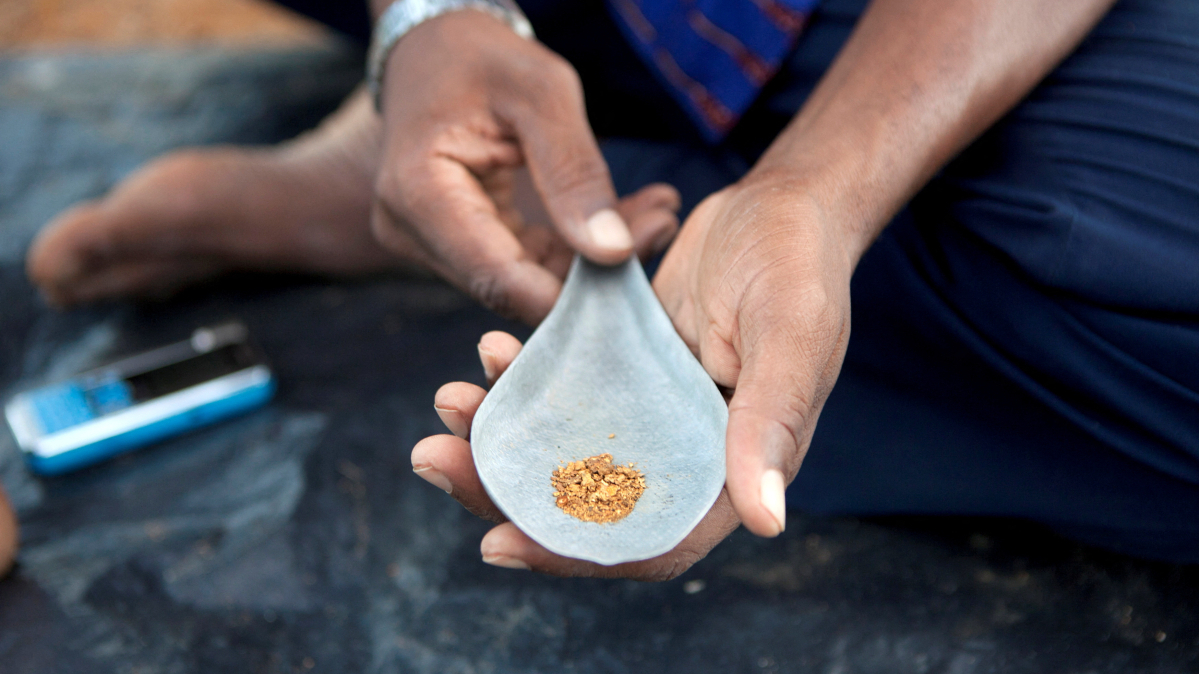
Artisanal mining plays a crucial role in Mali’s economy, providing livelihoods for nearly two million people across an estimated 350 to 400 mining sites. However, the government has acknowledged that a substantial share of the sector’s production is traded outside official networks, resulting in significant losses of revenue for the state.
Concerns over the scale of undeclared gold exports were highlighted in a 2024 report by Swiss non-governmental organisation SWISSAID. The report estimated that between 30 and 57 metric tonnes of Malian gold are exported each year unofficially, with a market value ranging from approximately $1.98 billion to $3.77 billion.
The study also found that Mali produced around 300 tonnes of undeclared gold worth an estimated $13.5 billion between 2012 and 2022, highlighting the scale of the challenge facing policymakers.
Gold remains Mali's leading export commodity and a vital source of foreign exchange. While industrial mines officially produce and export around 60 tonnes of gold annually, authorities have increasingly focused on bringing artisanal operations into the formal economy to improve oversight and maximise state revenues.
The move mirrors a broader global trend towards formalising artisanal and small-scale mining. The sector is estimated to account for more than 20% of global gold production and employs more than 10 million people worldwide, making it an important source of income in many developing economies.
Mali's gold sector has delivered strong export growth in recent years. According to data from the national statistics institute, Instat, gold exports climbed to 2.75 trillion CFA francs ($4.81 billion) in 2025, up from 1.61 trillion CFA francs the previous year.
South Africa was the largest destination for Mali's officially declared gold exports, accounting for 60.4% of shipments. The United Arab Emirates and Australia followed, receiving 12.2% and 12.1% of official exports, respectively.
By creating a dedicated agency to oversee precious substances, Mali hopes to strengthen regulation of the gold trade, reduce illicit exports and capture a larger share of the revenues generated by one of Africa's most important gold-producing nations.


















What is your opinion on this topic?
Leave the first comment