The European Commission has opened an anti-dumping investigation into imports of primary alkaline manganese dioxide batteries from China after receiving a complaint from German manufacturer Varta Consumer Batteries.
According to an official notice published on Thursday, Varta alleges that Chinese producers are selling cylindrical, non-rechargeable primary cells and batteries in the European Union at unfairly low prices, harming domestic manufacturers and weakening their position in the market.
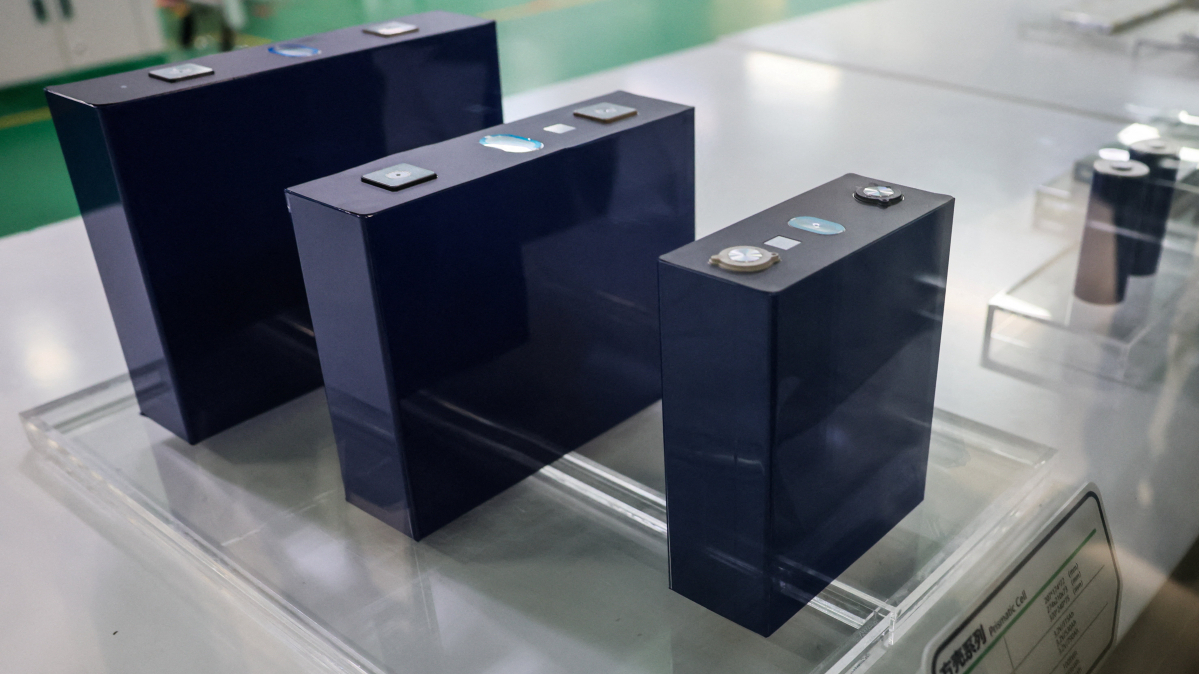
The investigation covers primary alkaline manganese dioxide batteries, a category widely used in consumer electronics and household devices. Rechargeable batteries and waste products are excluded from the probe.
In its announcement, the Commission said there was sufficient preliminary evidence to justify launching an investigation. The evidence points to alleged dumping practices by Chinese exporters and signs of material injury to EU producers, including falling prices, declining sales volumes and a loss of market share.
Varta's complaint also argues that production costs in China are artificially distorted by significant state involvement across the battery supply chain. The company highlighted the role of electrolytic manganese dioxide (EMD), a key raw material that represents a substantial portion of battery production costs, claiming that government intervention affects pricing and market conditions.
The complaint further alleges that major industry associations in China operate under government influence and that several leading battery manufacturers are state-owned enterprises, potentially giving them advantages that do not exist in market-driven economies.
As part of the investigation, the European Commission will examine whether Chinese battery producers benefit from these alleged distortions and whether their products are being dumped on the EU market at prices below fair value.
Brussels is also assessing concerns about excess manufacturing capacity in China and growing inventories, factors that could increase pressure on European producers if imports continue to rise.
The probe will be conducted under EU trade defence rules and in accordance with World Trade Organization regulations. Investigators will determine whether anti-dumping measures are warranted and whether imposing duties would be in the broader interest of the European Union.
The Commission will now collect evidence and submissions from exporters, importers, producers and other interested parties before reaching a final decision. If the investigation confirms unfair pricing and resulting harm to the EU industry, the bloc could impose anti-dumping duties on the affected imports.


















What is your opinion on this topic?
Leave the first comment