Ukraine targets Russian oil sites with long-range drones while Moscow strikes Ukrainian cities, highlighting a growing escalation on both sides of the conflict.
The strikes hit facilities in the Krasnodar and Yaroslavl regions, located hundreds of kilometres from Ukrainian territory.
“We continue our operations that weaken Russia’s ability to wage this war,” Zelenskiy said in a social media post, describing the attacks as part of a broader strategy targeting Russia’s energy sector.
Fire and casualties reported
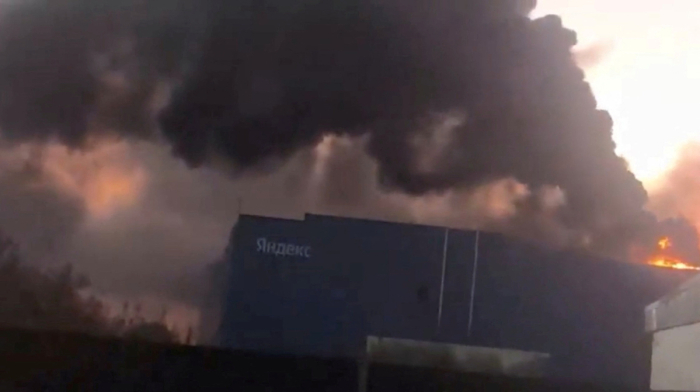
In the southern Krasnodar region, a fire broke out at the Slavyansk-na-Kubani refinery following the attack, regional governor Veniamin Kondratiev said. One person was killed and another injured in a nearby village.
Authorities later said the fire had been extinguished and traffic restrictions lifted in surrounding areas. The refinery, a privately owned facility with a capacity of around 100,000 barrels per day, supplies fuel for both domestic consumption and export.
Further north, officials in Yaroslavl region confirmed a drone attack and said temporary restrictions had been placed on some roads leading towards Moscow.
Fuel shortages and disruption
Ukraine’s long-range drone campaign has increasingly targeted oil infrastructure, contributing to fuel shortages in parts of Russia. Reports of queues and rationing at petrol stations have emerged in recent weeks.
President Vladimir Putin acknowledged the challenges, telling a meeting of officials that supply problems persisted.
“You are well aware that problems for drivers and for businesses persist,” Putin said. “Unfortunately, there are still queues at gas stations too.”
He said the government was taking action to stabilise supplies, including considering a possible ban on diesel exports.
Government response and supply measures
Russian authorities have set up a task force to manage fuel distribution, with Putin saying efforts were underway to minimise the impact of drone attacks on critical infrastructure.
Gasoline reserves were being tapped to maintain supply, he said, adding that production levels were expected to increase.
Officials also emphasised the need to ensure adequate fuel supplies for the agricultural sector during the harvest season.
“We need to make every effort to ensure that all seasonal fuel supply schedules are maintained for agro-industrial enterprises, because the harvest depends on it,” Putin said.
Putin also stressed that Russia needs better anti-aircraft capabilities as a measure against Ukraine's drone attacks on its refineries. He said, "The first task is to quickly and significantly ramp up production of those air defence systems that are most needed."
He also added that the country is doing well despite the attacks on its oil infrastructure.
Fighting continues on both sides
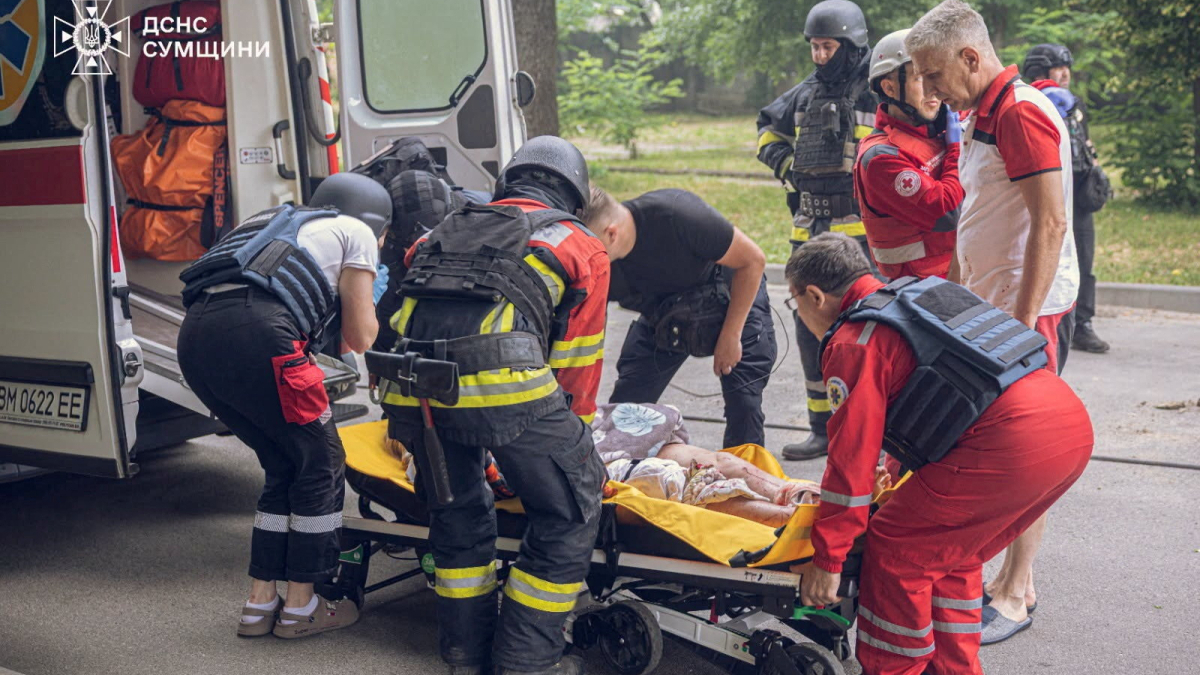
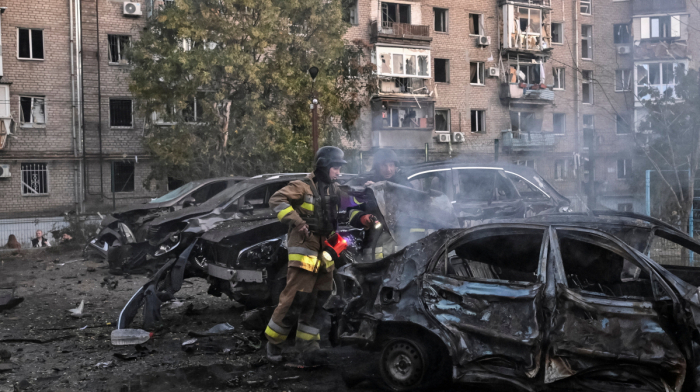
The attacks on Russian energy sites came as Russia continued its strikes on Ukrainian territory. Regional authorities in Ukraine said at least four people were killed on Sunday in separate attacks.
In the southeastern city of Zaporizhzhia, two people died and 16 were injured when buildings were hit, while a missile strike in the Kharkiv region killed one person and injured eight, including two children.
Police also reported that an officer was killed while organising evacuations in another part of the region.
Rising intensity of conflict
Both sides deny deliberately targeting civilians, and the latest claims could not be independently verified.
However, the pattern of attacks indicates a sustained escalation, with Ukraine increasingly targeting infrastructure deep inside Russia, particularly in the energy sector, while Russia continues its operations on Ukrainian territory.
As the conflict stretches on, the growing pressure on fuel supplies and infrastructure highlights the widening economic and strategic dimensions of the war.















What is your opinion on this topic?
Leave the first comment