Ukraine said its forces had struck key energy installations inside Russia, including a gas processing plant and a helium facility in the Orenburg region, as drone assaults increased across multiple areas.
The strikes form part of a broader campaign by Kyiv to target infrastructure linked to Russia’s energy and industrial sectors, with officials also reporting attacks on facilities in Russian-held Crimea and central Russia.
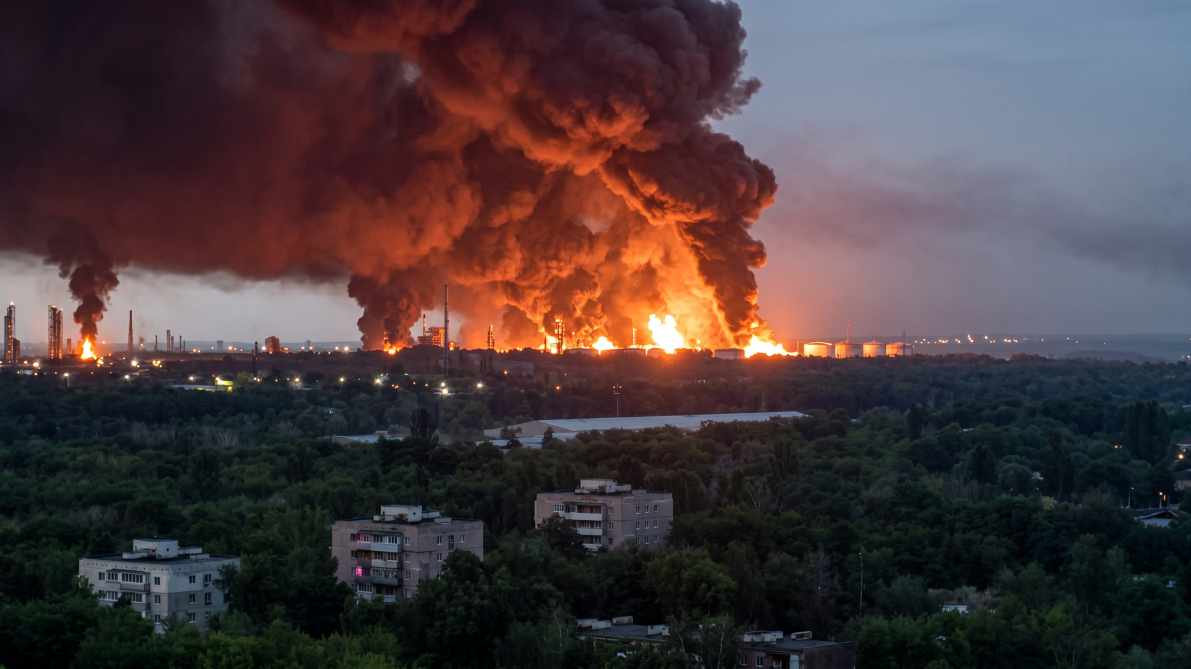
Reuters report that repairs to Gazprom Neft’s Moscow refinery could take at least six months after damage caused by recent drone attacks, citing sources familiar with the plans, with one describing this timeline as a “best‑case scenario”.
The plant, which has a processing capacity of around 14 million tonnes a year, was struck twice in June, halting refining operations and damaging key units.
Analysts estimate restoration could cost up to $1 billion and potentially take up to a year.
Orenburg and supply concerns
Local authorities in Orenburg said air defences had shot down several drones over an industrial site, though details on the extent of damage were not immediately disclosed.
Kazakhstan’s energy ministry said the attacks had not disrupted gas supplies to its domestic market, noting that deliveries were continuing through alternative routes.
The Orenburg region, located more than 1,000km southeast of Moscow, hosts key energy infrastructure, including gas-processing plants and an oil refinery, making it a significant target for such strikes.
Ukraine’s military said its drone forces struck dozens of targets overnight. Robert Brovdi, commander of the Unmanned Systems Forces, said operations targeted at least 48 military and infrastructure sites across Russia and occupied areas in southern Ukraine.
In Russia’s Nizhny Novgorod region, an industrial facility was damaged by falling drone debris, with authorities reporting two fatalities. Regional officials said the damage to the site was not critical.
Crimea under attack
In occupied Crimea, drone strikes targeted energy infrastructure in Sevastopol, cutting power in parts of the city.
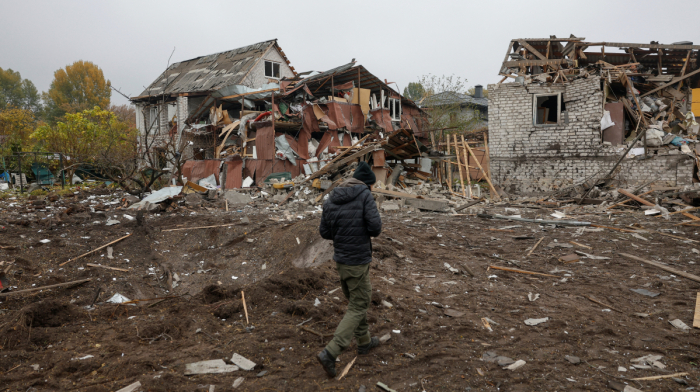
The Russian-installed governor said nine drones had been intercepted, but debris caused fires and damage to at least seven residential buildings.
The disruption highlighted the vulnerability of energy systems in the region, which have faced repeated attacks since the start of the conflict.
Russian response and battlefield developments
Russia’s defence ministry said its air defences had shot down more than 300 drones overnight, indicating the scale of recent strikes.
On the battlefield, Moscow also claimed advances, with state media reporting that Russian forces had captured the settlement of Ivolzhanske in Ukraine’s Sumy region. The claim could not be independently verified.
The latest wave of attacks underscores how both sides are increasingly targeting infrastructure far from the front lines.
Ukraine has focused on weakening Russia’s industrial and energy capabilities through long-range drone strikes, while Russia continues to pursue territorial gains and maintain pressure on Ukrainian positions.














What is your opinion on this topic?
Leave the first comment