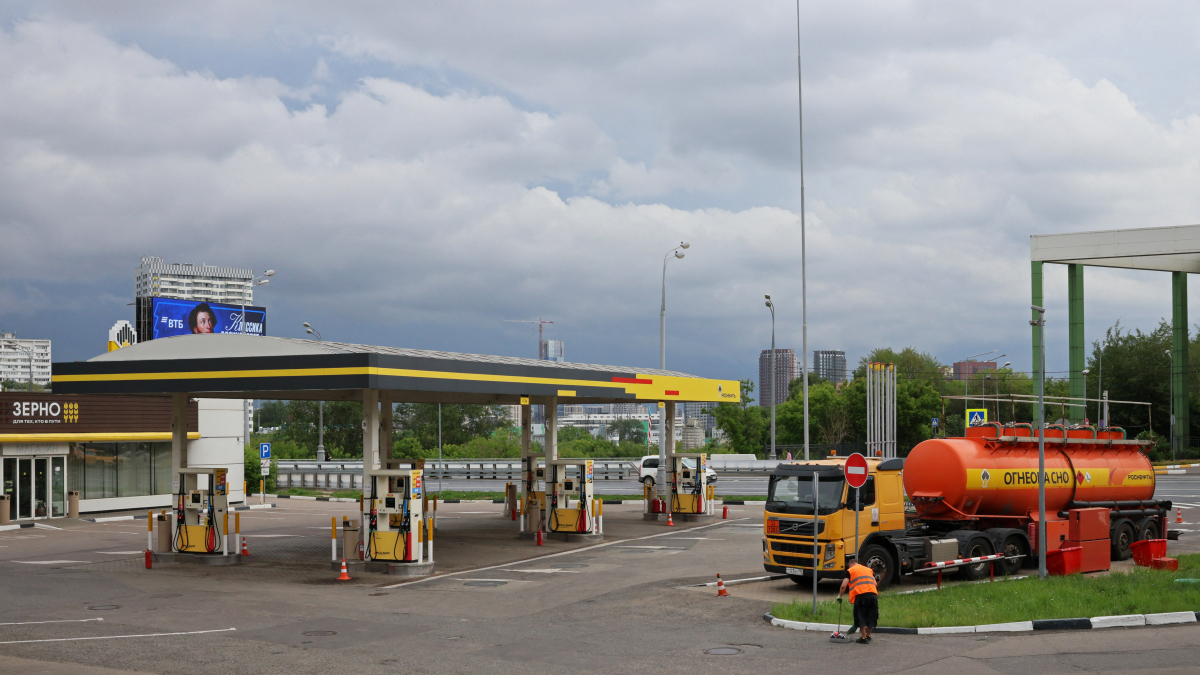
Authorities in Russia's Omsk region have imposed limits on petrol and diesel sales as officials seek to stabilise the local market and prevent speculation amid tightening fuel supplies.
Supply pressure prompts restrictions
Omsk Governor Vitaliy Khotsenko said the measures are designed to prevent artificial shortages and long queues at fuel stations. Under the new rules, motorists can purchase up to 40 litres of petrol and 80 litres of diesel per vehicle.
Higher limits apply on intercity routes, where diesel sales are capped at 200 litres, while liquefied petroleum gas remains unrestricted.
Khotsenko urged residents to remain calm and rely only on official sources for information, warning against misinformation that could trigger panic buying.
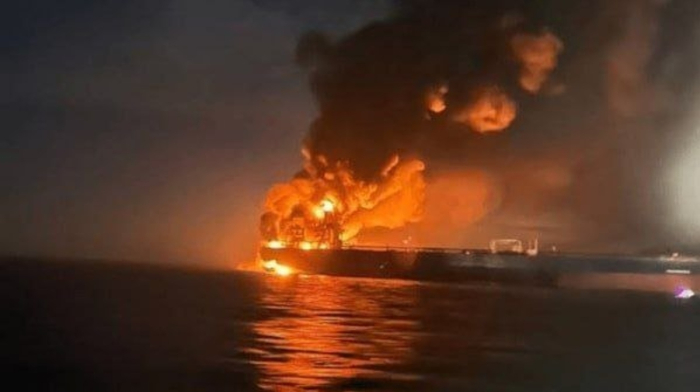
The restrictions come amid mounting pressure on Russia's fuel supply following a wave of Ukrainian drone strikes on oil refineries.
Several facilities have been forced to suspend operations temporarily for repairs and maintenance, disrupting production and reducing the availability of refined fuels in some regions.
To manage supplies, the Russian government has periodically introduced export restrictions aimed at keeping more fuel on the domestic market and stabilising prices.
In recent weeks, similar restrictions have been reported in other parts of the country, including Moscow, suggesting a broader effort to manage supply constraints.
Kremlin response
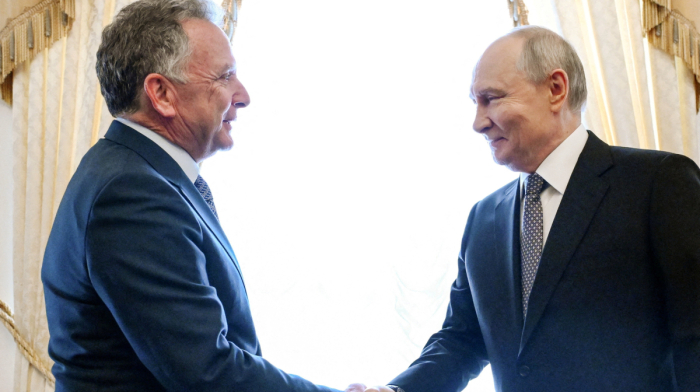
The Kremlin has acknowledged the challenges facing the fuel market, with spokesman Dmitry Peskov saying authorities are taking steps to address supply issues.
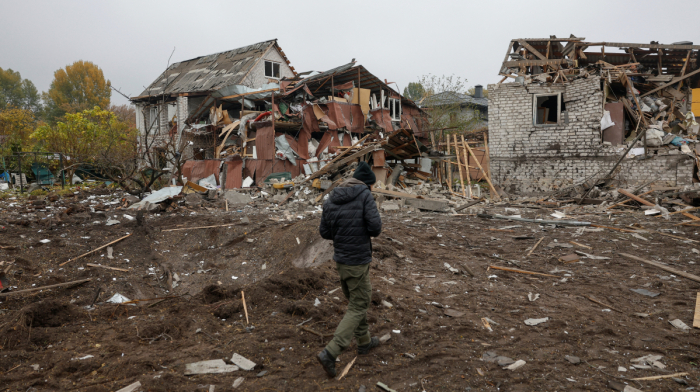
President Vladimir Putin has linked the situation directly to the conflict, accusing Ukraine of targeting civilian infrastructure in an effort to destabilise Russian society.
“Ukrainian strikes at civilian targets are aimed at creating panic in society,” Vladimir Putin said in remarks to military graduates.
He added that such actions were complicating the prospects for dialogue, saying he saw no grounds for direct talks with Ukrainian President Volodymyr Zelenskyy under current conditions.
Wider economic impact
The disruption to refinery operations and the resulting fuel restrictions highlight the growing economic effects of the conflict, particularly on critical infrastructure sectors.
Fuel supply remains a sensitive issue, as shortages or price increases can have a knock-on effect across transport, agriculture and industry.
Officials say the current measures are temporary and are intended to maintain stability while repairs are carried out and production capacity is restored.
Ongoing uncertainty
While authorities insist there is sufficient fuel overall, continued attacks and logistical challenges mean uncertainty remains.
The spread of restrictions across multiple regions suggests pressure on supply chains is not limited to Omsk, underlining the broader impact of the conflict on Russia's domestic economy.
For now, the government faces the task of balancing supply, demand and public confidence as it seeks to prevent disruption in one of its most critical sectors.











What is your opinion on this topic?
Leave the first comment