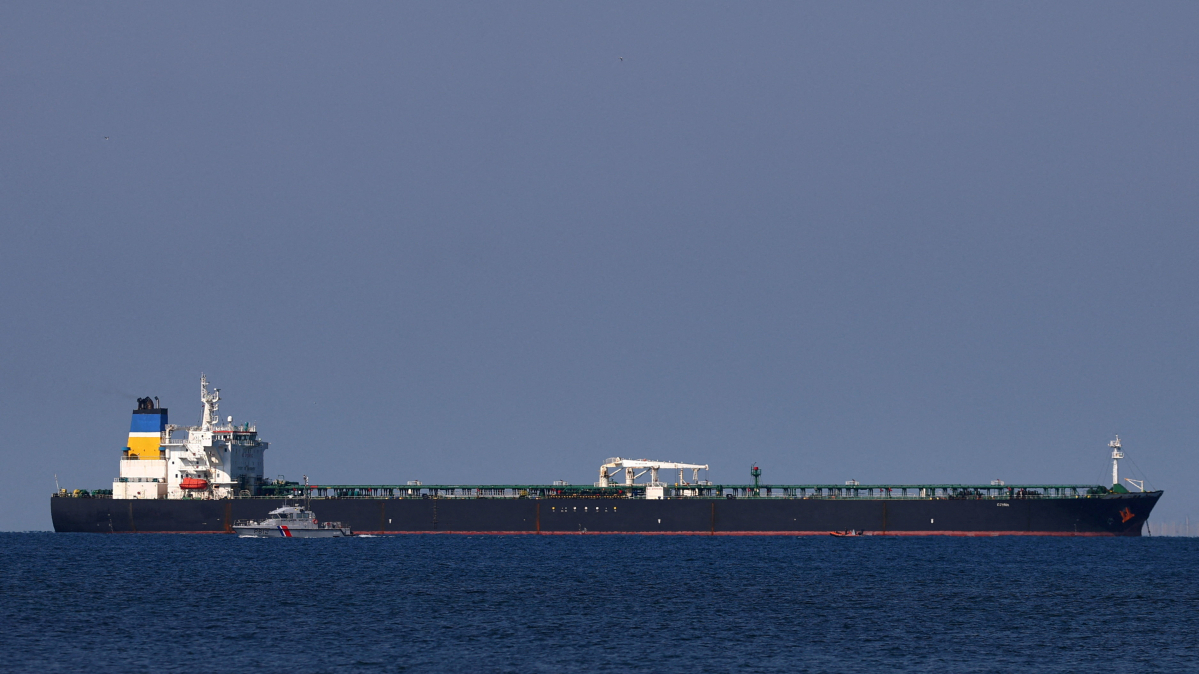
The U.S. Treasury did not publish an extension of its sanctions waiver for Russian seaborne oil before it expired at midnight on Wednesday, raising questions over whether Washington is preparing to reimpose restrictions on Russian energy exports.
Neither U.S. President Donald Trump nor administration officials confirmed whether the lapse means sanctions will automatically come back into force.
The waiver had been introduced during the conflict with Iran to help vulnerable economies cope with soaring energy prices and supply disruptions.
Trump says administration is 'looking at' sanctions
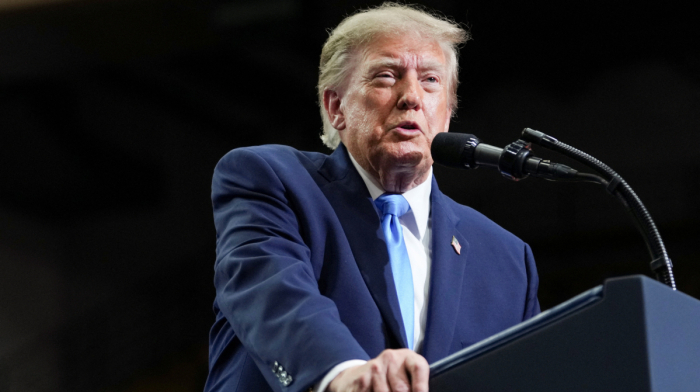
Speaking to reporters during the G7 summit in France, Trump declined to provide a clear answer on the future of the waiver.
"We are looking at that. We're seeing how far the price of oil comes down, it's really tumbling," he said.
A day earlier, Trump suggested that the United States could soon allow the sanctions to return.
"Soon we'll be able to do that, because the oil is now flowing," he said, referring to renewed energy supplies from the Middle East.
The comments come after Washington and Tehran reached a memorandum of understanding to end their conflict, potentially paving the way for Iranian oil to return to global markets.
Sanctions targeted Russian oil giants
The Trump administration imposed sanctions on major Russian energy companies, including Rosneft and Lukoil, last year in an effort to pressure Moscow by reducing its oil revenues.
Russia remains one of the world's largest oil exporters alongside the United States and Saudi Arabia, making any changes to sanctions policy potentially significant for global energy markets.
In recent months, Washington has allowed the waiver to expire temporarily before extending it again several days later.
The White House and the Treasury Department's Office of Foreign Assets Control did not immediately respond to requests for comment.
Iranian oil expected to return gradually
A senior U.S. official said on Tuesday that Tehran would be able to resume oil sales immediately following a ceremony later this week to formally sign the agreement ending the conflict.
However, officials caution that it could take several months before Iranian oil and gas exports return to normal levels.
The head of the International Energy Agency, Fatih Birol, has described the Iran conflict as causing the largest disruption to global energy markets in history.
Russia says waivers helped stabilise markets
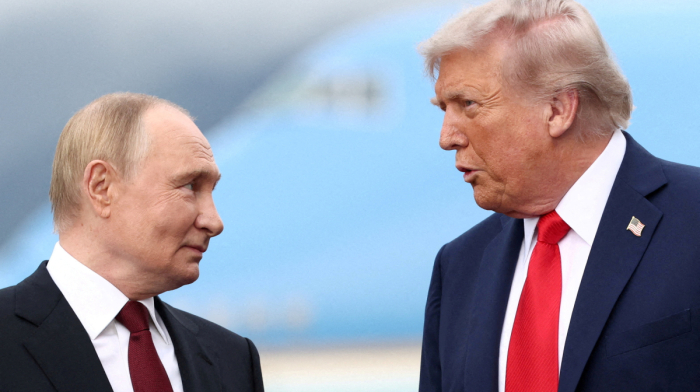
Russian President Vladimir Putin's special envoy, Kirill Dmitriev, said earlier this month that U.S. officials understood the role the waivers had played in maintaining stability in global energy markets.
Meanwhile, the Kremlin said on Sunday that U.S. envoys Steve Witkoff and Jared Kushner will travel to Russia soon for talks related to efforts to end the conflict in Ukraine.
Markets watch Washington's next move
The uncertainty surrounding the sanctions waiver has left energy markets waiting for a clearer signal from Washington.
A decision to restore sanctions on Russian seaborne oil could tighten global supplies again, while an extension of the waiver would suggest the United States remains cautious about disrupting energy markets as Middle Eastern oil gradually returns to the global system.
Read more:













What is your opinion on this topic?
Leave the first comment