The United Kingdom has imposed a new wave of sanctions on Russia, targeting key financial institutions, logistics networks and vessels accused of helping Moscow sustain its war in Ukraine.
The measures, announced on Tuesday, include 70 new designations and focus on entities the British government says are supporting Russia’s military and economic activity despite existing restrictions.
Among those sanctioned are Yandex Bank, insurer Rosgosstrakh, Evofinance Mosnarbank and Wildberries Bank, alongside a network linked to Russian military intelligence.
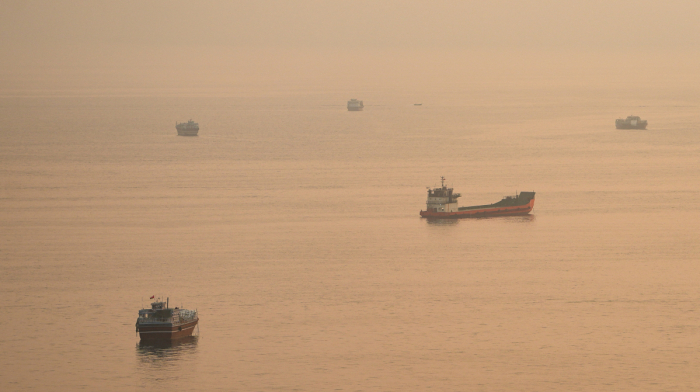
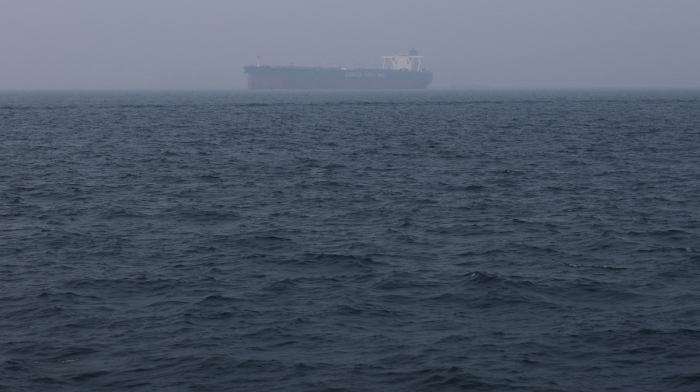
A central element of the package is action against Russia’s so-called “shadow fleet,” a network of vessels accused of transporting oil and gas to third countries in an attempt to bypass Western sanctions.
The UK said more than 20 oil tankers and several liquefied natural gas vessels had been added to the sanctions list. It also marked the first time a G7 country has targeted ships connected to Russia’s Arctic LNG 2 project.
British authorities say they have now sanctioned nearly 600 vessels linked to the shadow fleet as part of broader efforts to disrupt Russia’s energy exports.
Warning from Starmer
Prime Minister Keir Starmer said the latest measures were aimed at weakening the structures that support Russia’s war economy.
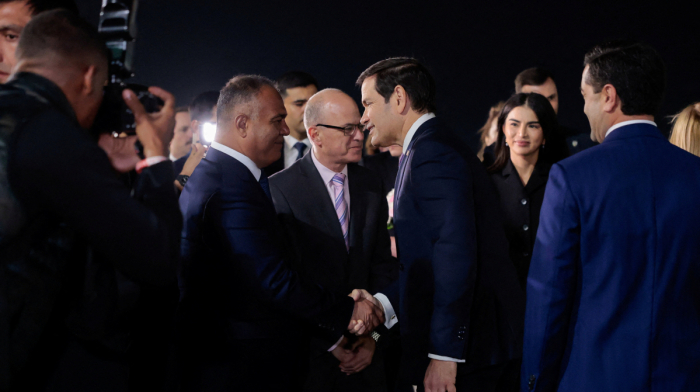
“These sanctions target the vessels, the money and the actors propping up Russia’s war economy, and in turn, threatening European security,” Keir Starmer said while attending a Group of Seven summit in France.
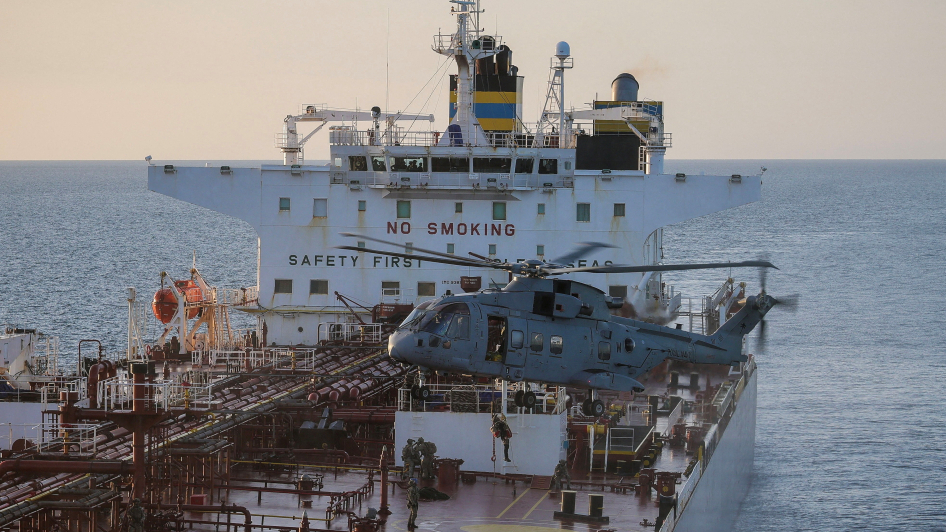
The sanctions come amid a tougher enforcement approach by the UK. In March, Keir Starmer authorised the military to board and detain vessels suspected of breaching sanctions.
In a recent operation, British forces intercepted a sanctioned oil tanker in the English Channel, marking the first UK-led action of its kind against the shadow fleet.
In addition to shipping and financial restrictions, the UK has also focused on disrupting supply chains linked to Russia’s defence sector.
The sanctions include a network centred on Neptune Co Ltd, which the UK accuses of covertly sourcing Western technology for Russian military use.
Officials say the move is intended to block access to critical components and limit Russia’s ability to sustain its defence production.
The latest package reflects a broader strategy by Western governments to tighten economic pressure on Moscow by targeting indirect pathways used to circumvent sanctions.
By focusing on financial systems, shipping routes and procurement networks, the UK aims to restrict Russia’s access to global markets and weaken its ability to finance the war.
The move comes as Western allies continue to coordinate a sanctions strategy, with growing focus on enforcement and closing loopholes that have allowed Russian exports to continue flowing through alternative routes and intermediaries.
















What is your opinion on this topic?
Leave the first comment