Bangladesh has called for increased climate financing and faster delivery of support to vulnerable nations, arguing that current global funding commitments fall far short of what developing countries need to tackle the growing impacts of climate change.
Speaking at the World Economic Forum's Annual Meeting of the New Champions in Dalian, China, on Tuesday, Prime Minister Tarique Rahman urged wealthy countries to honour their climate pledges ahead of the next round of United Nations climate negotiations in November.
The visit marked Rahman's first overseas trip since taking office and provided an opportunity to highlight Bangladesh's climate priorities on the international stage.
Climate finance pledge 'not enough'
At the United Nations climate summit in 2024, countries agreed to increase annual climate finance to $300 billion by 2035. However, Rahman argued that the target remains insufficient to meet the growing adaptation and mitigation needs of developing nations.
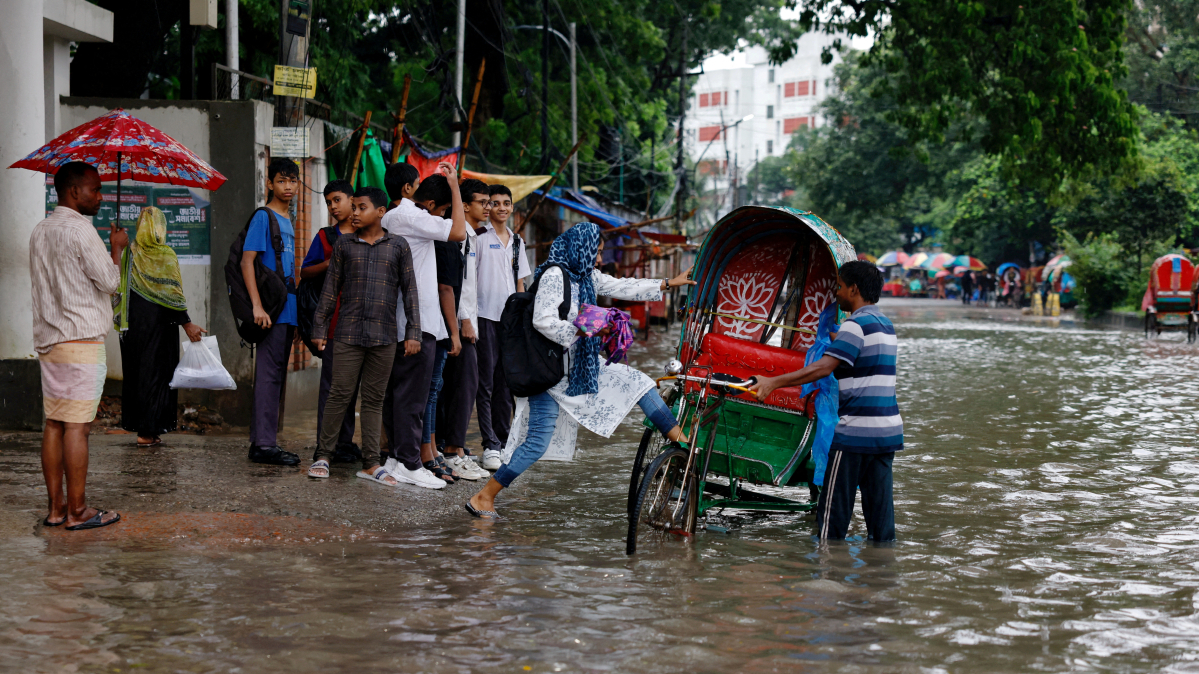
Bangladesh is among the countries most exposed to the impacts of climate change, facing recurring floods, powerful cyclones, river erosion and increasing saltwater intrusion into agricultural land and freshwater sources.
Rahman called for a greater mobilisation of resources through the Green Climate Fund and urged governments to make funding more accessible for countries on the front lines of climate change.
"The Loss and Damage Fund must move from promise to delivery, with accessible and predictable support for victim nations," he said.
Vulnerable nations need to adapt
The Bangladeshi leader stressed that adaptation measures must receive the same level of attention as efforts to reduce greenhouse gas emissions.
For countries already experiencing severe climate impacts, he said, investments in resilience and disaster preparedness are essential for protecting communities and sustaining economic development.
Bangladesh has launched several major initiatives as part of its domestic climate agenda, including plans to dredge approximately 20,000 kilometres of rivers and canals to reduce flooding risks and improve water management.
The government is also pursuing large-scale reforestation efforts, with a target of planting 250 million trees.
Seeking global partnerships
Rahman emphasised that no country can tackle climate challenges alone and called for stronger international cooperation involving finance, technology transfer and practical action.
"Climate resilience cannot be built by any country alone," he said.
The appeal comes as developing nations continue to press for greater financial support from industrialised countries, arguing that those most responsible for historical greenhouse gas emissions should play a larger role in funding climate adaptation and recovery efforts.
With negotiations set to intensify ahead of the next UN climate summit, Bangladesh is positioning itself among the leading voices calling for a more ambitious and equitable global climate finance framework.














What is your opinion on this topic?
Leave the first comment