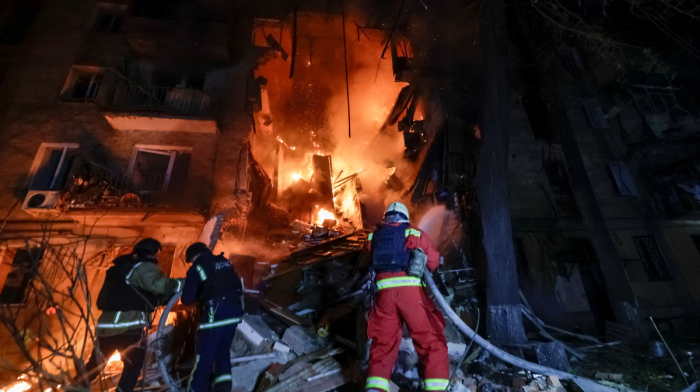
Ukraine's improved position on the battlefield has done little to ease the humanitarian crisis affecting millions of people displaced by the conflict, according to the head of the International Rescue Committee (IRC).
Speaking during a visit to Ukraine on World Refugee Day, IRC President and CEO David Miliband warned that reduced international aid funding is worsening conditions for vulnerable communities despite recent military developments.
Ukraine has largely halted Russia's advances in recent months, prompting G7 leaders at last week's summit to acknowledge that momentum in the conflict has shifted. However, Miliband said the changing geopolitical narrative should not distract from the hardships still faced by civilians.
"It feels particularly important at a time when there is this new sense of a different geopolitical narrative to recognise the brutality and strain that's being faced by millions of Ukrainians," he said.
Aid budget cut in half
The warning comes as humanitarian organisations grapple with significant reductions in funding, particularly following cuts led by the United States.
According to Miliband, the IRC's budget for Ukraine is expected to fall to around $20 million in 2027, down from $40 million in 2025.
The administration of U.S. President Donald Trump has sharply reduced foreign aid spending and dismantled the U.S. Agency for International Development (USAID), moves that have prompted several other countries to reduce their own aid commitments.
Ukraine among world's largest displacement crises
The United Nations estimates that around 118 million people worldwide are currently displaced due to conflict, violence and persecution.
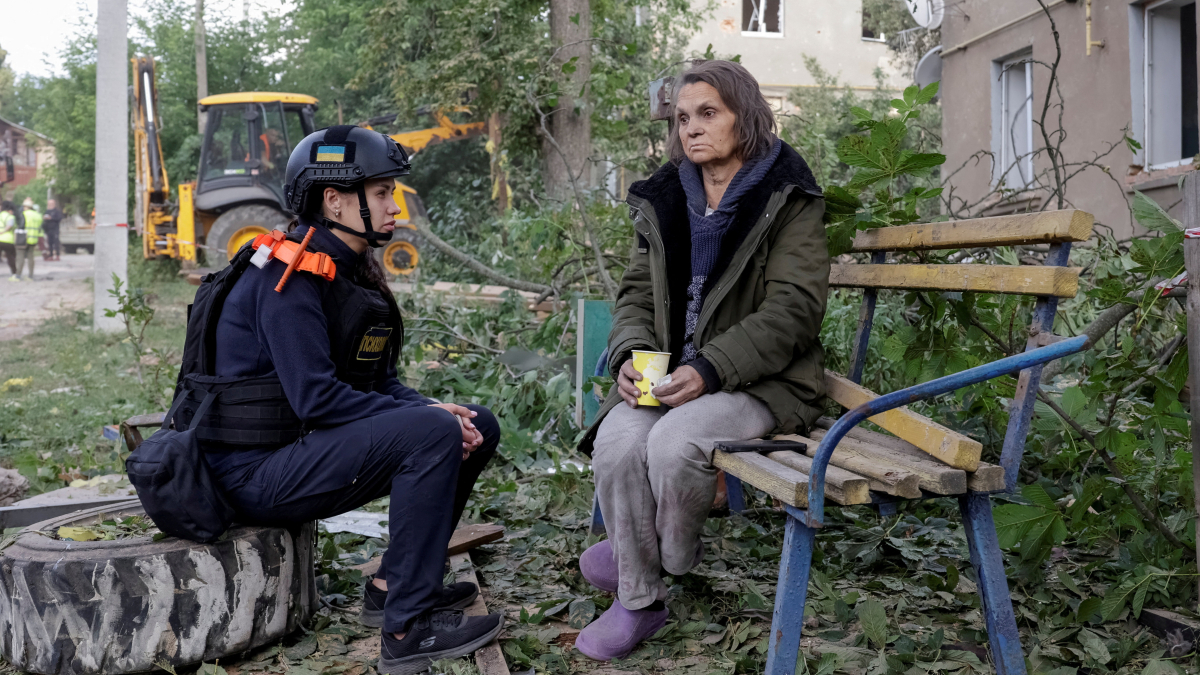
Ukraine accounts for approximately 10 million of those displaced people, including nearly four million who remain internally displaced within the country.
"These historic highs speak to what we call the new world disorder," Miliband said.
"There are more shocks and fewer shock absorbers. And money is one of the absorbers."
Mental health impact remains severe
The IRC continues to provide mobile medical services to communities living near sections of the 1,200-kilometre frontline. The organisation also offers psychological support to vulnerable children and women who have experienced abuse.
Miliband said one of the most overlooked consequences of more than four years of conflict is the toll on mental health.
He argued that redirecting even a small portion of the billions of dollars in military assistance provided by Ukraine's allies towards humanitarian programmes and psychosocial support could significantly strengthen the resilience of Ukrainian society.
Calls for sustained humanitarian support
While military developments have shifted perceptions of the conflict, aid organisations are urging governments not to lose sight of the humanitarian needs that persist across the country.
With millions still displaced and funding under pressure, humanitarian groups warn that continued support will be essential to help communities recover and cope with the long-term effects of the conflict.











What is your opinion on this topic?
Leave the first comment