Bolivian President Rodrigo Paz declared a state of emergency early on Saturday, escalating a blockade crisis that has paralysed parts of the country and placed growing pressure on his government.
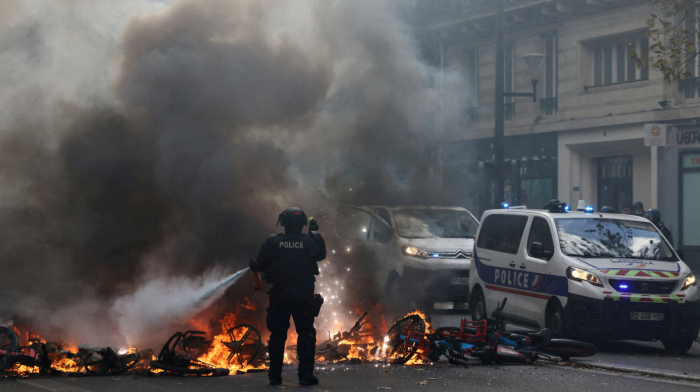
The measure clears the way for the deployment of the military to restore order and reopen blocked roads after nearly 50 days of unrest. The blockades have disrupted transport and supply chains, worsening shortages of fuel, food and medical supplies.
The protests began in May as labour-led demonstrations against the government’s economic policies, but later grew into a wider anti-government movement involving unions, Indigenous groups and supporters of former President Evo Morales.
Protesters have demanded action on rising living costs, the reversal of austerity measures and the release of detained demonstrators. Some groups have also called for Paz to resign.
Shortages hit cities
The crisis has hit major cities, including La Paz and El Alto, where shortages have affected hospitals, businesses and ordinary households. Reuters reported that at least 14 people have died during the unrest, citing Bolivia’s ombudsman.
COB deal falls short
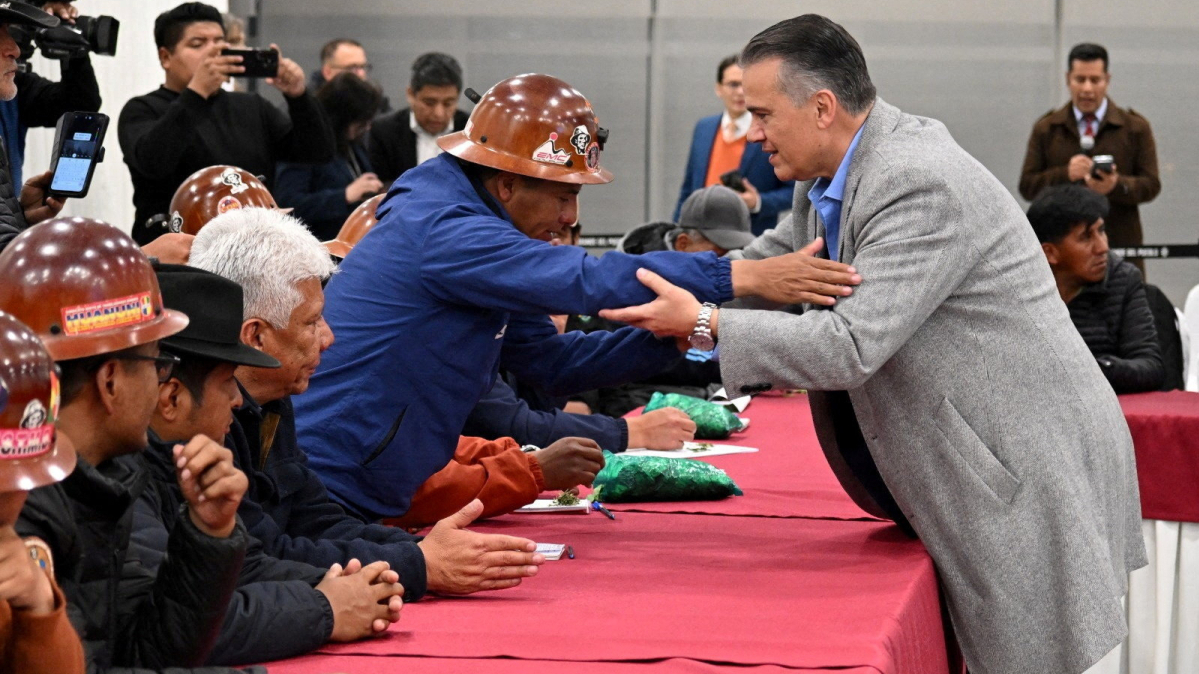
Paz’s government had earlier reached an agreement with Bolivia’s main labour confederation, the COB, in an attempt to ease tensions. However, several rural and Indigenous organisations aligned with Morales were not included in the deal and have continued their protests, especially in the Cochabamba region.
The state of emergency marks one of the most serious steps taken by Paz since he came to power in 2025. His government says the measure is needed to restore movement, protect supply routes and prevent further damage to the economy.
But the decision could further inflame tensions if protest groups refuse to stand down. Critics have warned that sending troops into the streets could deepen the political standoff and increase the risk of confrontation.
Economic pressure
The unrest reflects a wider struggle over Bolivia’s economic direction. Paz has pushed market reforms and spending cuts to address a deep budget shortfall, while protesters say the measures have worsened hardship for workers, rural communities and low-income families.
Morales influence
Former President Morales remains an influential figure among rural and Indigenous groups. Paz has accused Morales-linked groups of fuelling the unrest, while Morales has denied responsibility and criticised the government’s handling of the crisis.
With roads blocked, supplies running low and negotiations only partly successful, Bolivia now faces a test of whether emergency powers can restore order without triggering a new wave of unrest.
Read more:











What is your opinion on this topic?
Leave the first comment