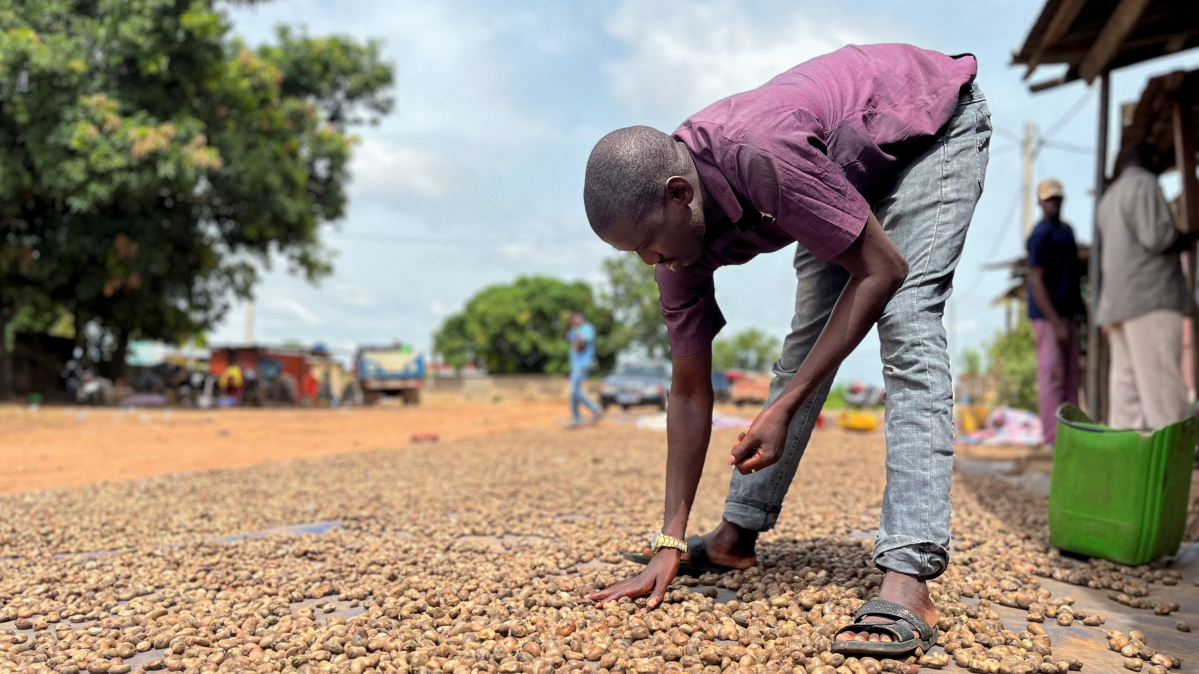
China has opened its market to cashew nuts from all African countries with diplomatic relations with Beijing, removing a long-standing barrier that had restricted exports from much of the world's largest cashew-producing continent.
A continent-wide breakthrough
Africa is the world's largest producer of cashew nuts. For years, however, most African countries faced a frustrating obstacle when trying to sell those cashews to one of the world's fastest-growing snack markets: China required each country to complete its own separate and lengthy quarantine approval process before cashews could legally enter the country. Only a handful managed to secure access. Now that barrier has been removed for all eligible African exporters at once.
China's General Administration of Customs (GAC) announced that cashew nuts produced in African countries with diplomatic relations with China now have access to the Chinese market, provided they meet a unified set of inspection, quarantine and sanitary requirements. Access began on 9 June.
Previously, only a few African countries, including Guinea-Bissau, Mozambique and The Gambia, had obtained quarantine access for their cashew exports to China. Every other African nation seeking to sell cashews to Chinese consumers had to negotiate a separate agreement with Chinese customs authorities - a process that could take years and required significant technical and regulatory resources that many smaller countries simply did not possess.
The result was that the world's largest cashew-producing continent was largely locked out of one of its most promising export markets.
Unified standards replace country-by-country approvals
The change was made possible by a practical assessment. Chinese customs authorities found that pest and disease risks associated with cashew production are broadly similar across Africa, allowing China to adopt a single set of inspection and sanitary requirements for the continent rather than negotiating country by country.
A customs official said the new arrangement eliminates the need for individual quarantine access negotiations and that, provided products meet the relevant requirements, they will be eligible for export to the Chinese market.
Part of a wider trade opening
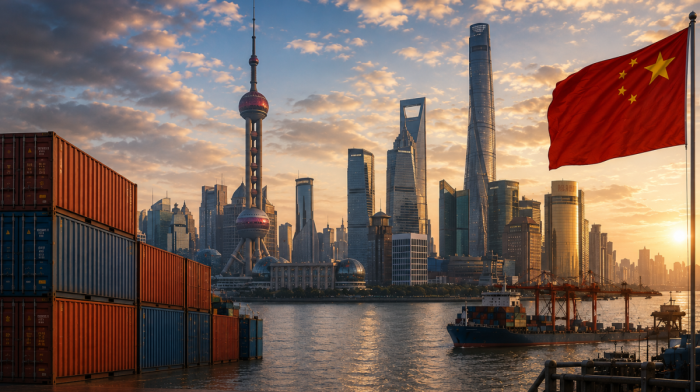
The move fits into a broader pattern of China opening its agricultural market to Africa. Earlier this year, Beijing granted zero-tariff access to goods from all 53 African countries with diplomatic ties to China, in a sweeping trade policy that Chinese Foreign Minister Wang Yi described as using "the subtraction of tariffs to drive the addition of trade".
The cashew announcement follows a similar logic: reducing the administrative and financial barriers that have historically prevented African producers from reaching Chinese consumers and allowing trade to expand more naturally.
For the countries most likely to benefit, the opportunity is significant. West Africa dominates global cashew production. Togo and Benin are already among China's leading cashew suppliers, while countries such as Ghana, Mali, Tanzania and Madagascar have established but underdeveloped export relationships with the Chinese market.
Meanwhile, Côte d'Ivoire and Nigeria, both major cashew producers that had not yet completed the bilateral quarantine approval process, can now begin exporting to China without having to start negotiations from scratch.
Opportunities and challenges ahead
Chinese customs officials said the measure will help broaden import sources, enrich domestic market supply and deepen practical agricultural trade cooperation between China and Africa while safeguarding food safety.
The GAC added that it will continue to accelerate quarantine access assessments for other African agricultural and food products and fully implement green-channel facilitation measures to allow more high-quality African goods to reach Chinese consumers.
For African farmers and exporters, the challenge now shifts from gaining market access to making the most of it. Meeting China's inspection and sanitary standards consistently, managing the logistics of long-distance trade, and competing on price with established suppliers from Southeast Asia - where Viet Nam and Cambodia dominate cashew processing - remain significant hurdles.
However, with access secured, African producers now have a far greater opportunity to tap into one of the world's largest consumer markets.



















What is your opinion on this topic?
Leave the first comment