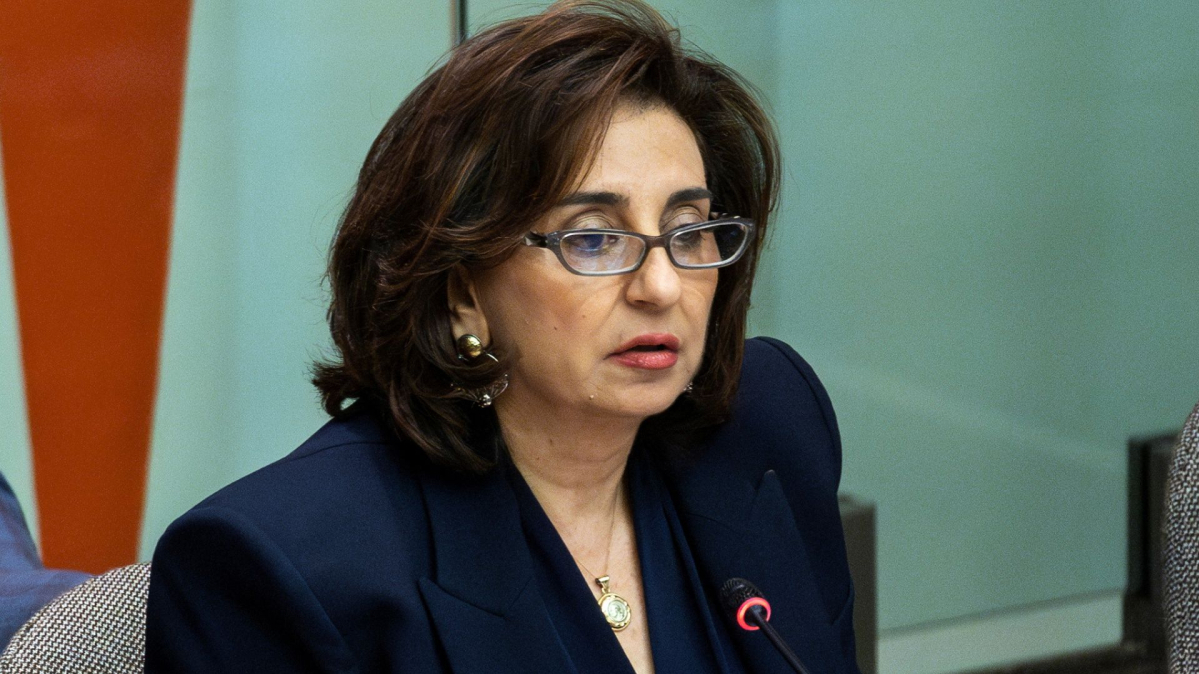
UN Women chief Sima Bahous warned the United Nations Security Council on Wednesday that peace processes are more fragile and less effective when women are excluded from decision-making, as global conflict levels reach their highest point since the UN was founded.
Addressing the Council, Bahous said the world is facing an unprecedented security crisis, with women and girls bearing a disproportionate burden in wars they “neither choose nor lead.”
“Pursuing peace without women’s voices, without women at the table leading alongside men, compromises peace efforts,” she said. “They become fragile and ultimately not serious.”
Bahous said more than two decades of research show a direct connection between gender equality and peace, arguing that women’s safety is one of the strongest indicators of political stability.
She said societies where women are excluded from public life and employment face a higher risk of conflict, while rollbacks on women’s rights often act as early warning signs of authoritarianism and violence.
“Strong women’s movements reduce violence before, during, and after conflict,” she said, adding that peace agreements are more likely to be reached faster and last longer when women are involved.
Bahous said women accounted for between 16% and 23% of participation in UN-led peace processes over the past five years, a figure she described as too low, despite being double the global average.
She noted that nearly half of the mediation experts deployed by the UN last year were women, and women served as chief mediators in every UN-led process in 2025.
However, she warned that the number of peace processes led by the UN has fallen sharply, from 14 a decade and a half ago to just three last year.
“Women are disappearing from peace and mediation processes,” Bahous said.
“I am sure this is something we will all come to regret.”
Active conflicts worldwide
Rosa Yolanda Villavicencio, who chaired the session, echoed the warning, saying there are currently more than 50 active armed conflicts worldwide.
She said Colombia’s own experience has shown that sustainable peace cannot be achieved without the “full, effective and safe participation” of women, youth and girls.
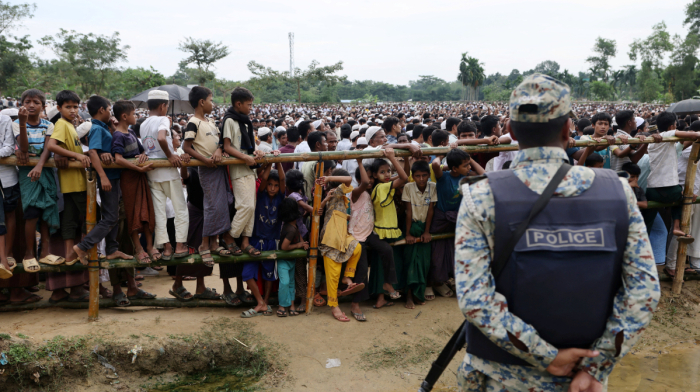
The session comes amid ongoing crises in Afghanistan, Haiti, Myanmar, Lebanon, Palestine, Sudan and Ukraine, where UN officials say a quarter of the world’s population is now living amid war, insecurity or humanitarian crisis.
Read more:








What is your opinion on this topic?
Leave the first comment