The Netherlands has announced a new €500 million military support package for Ukraine, focused on drones and air defence systems, as Western allies intensify efforts to strengthen Kyiv's position in its war against Russia.
Drones and air defence at heart of package
Half of the funding, €250 million, will be allocated to drones manufactured by Dutch defence companies, while the remaining €250 million will be channelled through an international initiative supplying U.S.-made weapons to Ukraine. The latest commitment brings the Netherlands' total contribution to the programme to €1 billion.
The package is intended to strengthen Ukraine's defensive capabilities, including the provision of equipment and missiles for air defence systems, as well as ammunition for F-16 fighter jets and other military platforms.
In parallel, the Netherlands and Ukraine have signed a letter of intent to expand cooperation on defence innovation, signalling a longer-term partnership in military technology.
War of narratives and contested claims
The announcement comes amid continuing tensions on the battlefield and an ongoing information war between Moscow and Kyiv.
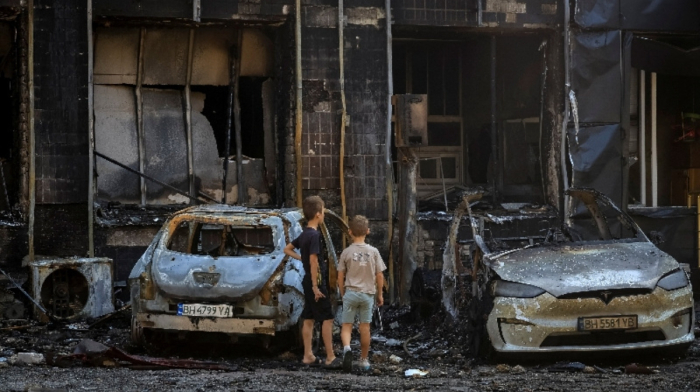
Russia accused Ukraine on Wednesday of carrying out a drone strike on a bus transporting Belarusian schoolchildren in the Bryansk region near the Ukrainian border. Russian officials said one adult had been killed and several others, including children, had been injured.
Ukraine's military strongly rejected the allegation, calling it "false" and stating that no drone operations had been conducted in the area at the time. The conflicting accounts highlight the continuing difficulty of independently verifying incidents in active conflict zones.
G7 signals unity and shifting U.S. stance
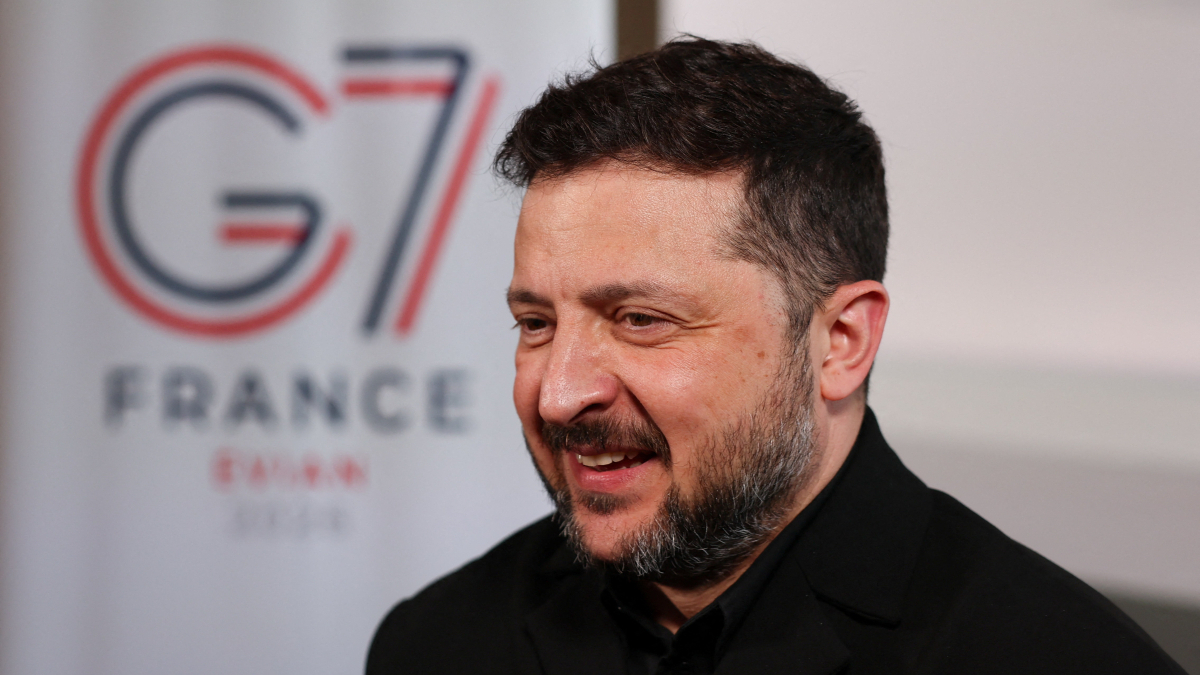
The latest developments unfolded as leaders of the Group of Seven gathered for a summit in Évian-les-Bains, France, where Ukraine remained a central focus of discussions.
U.S. President Donald Trump drew attention with a remark to fellow leaders, saying, "I'm the boss", in what was widely interpreted as a reflection of Washington's dominant role in shaping the group's strategy.
Despite previous divisions, the summit concluded with a joint statement expressing unified support for Ukraine and signalling a tougher stance towards Russia. Leaders acknowledged Ukraine's recent military gains and suggested these could strengthen Kyiv's position in any future negotiations.
Canadian Prime Minister Mark Carney said there had been "a change in position" from Washington, describing it as more closely aligned with realities on the ground.
Uncertainty over next steps
However, questions remain about how far the United States is willing to go in maintaining pressure on Moscow. Analysts note that key decisions, including whether to extend sanctions waivers affecting Russian oil exports, will ultimately rest with the White House.
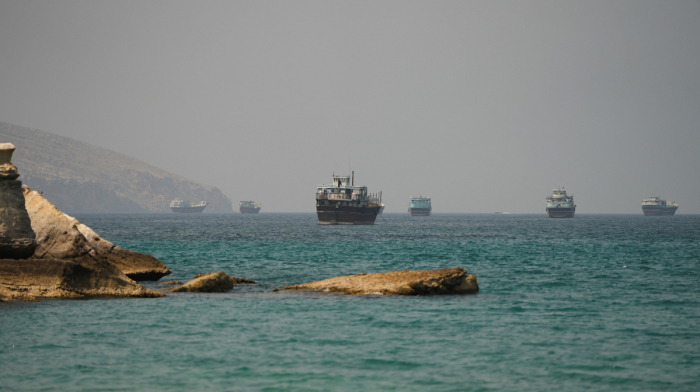
Trump's parallel diplomatic efforts with Iran, including a preliminary agreement aimed at easing tensions, have also influenced the broader geopolitical landscape. G7 leaders welcomed the deal and signalled plans to diversify global energy routes, particularly to reduce reliance on the Strait of Hormuz.
Wider economic and strategic discussions
Beyond Ukraine, the summit addressed broader issues affecting global stability, including critical mineral supply chains and growing concerns about economic imbalances.
France and its partners are pushing for coordinated measures to reduce dependence on China for key resources, while also exploring ways to protect Western industries from what they describe as unfair competition.
Leaders also focused on artificial intelligence, discussing the risks and responsibilities associated with emerging technologies and their potential impact on the global economy.
A conflict with global consequences
The Dutch commitment underlines how the war in Ukraine continues to shape international policy, from defence cooperation to economic strategy.
As Kyiv receives fresh military support and Western leaders close ranks, the conflict remains deeply intertwined with wider geopolitical tensions, ranging from energy security to global trade.
While the G7 summit projected unity, the coming months will test whether that alignment translates into sustained pressure on Russia and tangible progress towards an eventual end to the war.











What is your opinion on this topic?
Leave the first comment