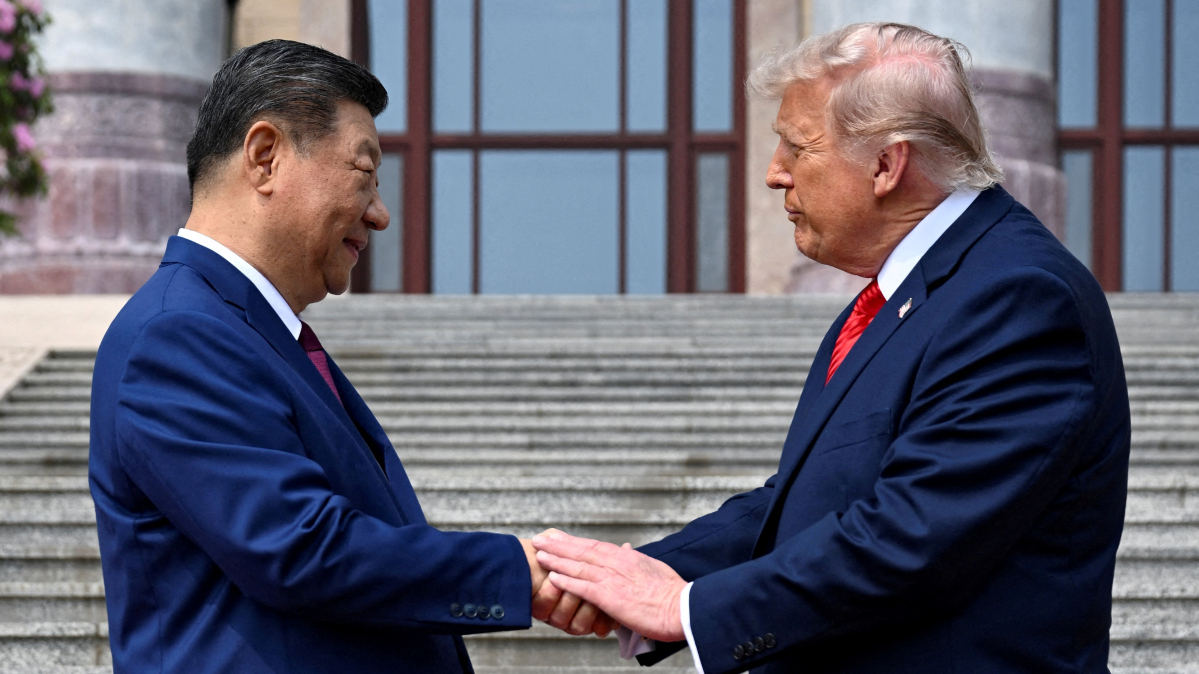
President Donald Trump and Chinese President Xi Jinping sought to project stability and renewed dialogue during a closely watched summit in Beijing this week, even as major disagreements over Taiwan, trade and global security remained unresolved.
The visit marked Trump’s second state trip to China and the first visit by a sitting American president to the country in almost a decade.
Although no formal agreements were announced, both governments portrayed the talks as an attempt to steady one of the world’s most consequential and increasingly fragile relationships.
As The Wall Street Journal reported, the discussions ranged from military tensions in the Taiwan Strait to trade promises and the conflict involving Iran. Here are the main takeaways from the summit.
Taiwan again emerges as the most sensitive issue
Taiwan dominated much of the summit’s geopolitical discussion, underlining how the self-governing island continues to sit at the heart of tensions between Washington and Beijing.
Speaking to reporters aboard Air Force One after departing China, Trump said Xi had directly questioned whether the United States would intervene militarily if China attempted to seize Taiwan by force. Trump declined to give a definitive answer, instead suggesting strategic ambiguity remained a deliberate part of U.S. policy.
The president also indicated that a pending U.S. arms package for Taiwan was still under review. The issue has long angered Beijing, which regards Taiwan as part of China and strongly opposes any foreign military support for the island.
Chinese Foreign Minister Wang Yi later suggested Beijing believed Washington had shown greater understanding of China’s position during the talks. While Chinese state media framed the exchange as constructive, the underlying dispute remains unresolved and highly combustible.
The summit took place against a backdrop of increased military activity around Taiwan in recent years. Beijing has repeatedly carried out large-scale naval and air exercises near the island, while successive U.S. administrations have expanded military cooperation with Taipei.
A reset in tone rather than substance
Despite the ceremonial warmth surrounding the visit, the summit ended without joint declarations, detailed agreements or a comprehensive policy framework.
Still, both sides appeared eager to signal that relations had stabilised after years of tariff disputes, diplomatic clashes and growing strategic rivalry.
Chinese officials described the outcome as a new phase of “strategic stability”, while Trump characterised ties with Beijing as “very strong”. Diplomats and analysts are likely to interpret the language less as evidence of a breakthrough and more as an attempt to lower tensions before they spiral further.
The absence of concrete deals may disappoint businesses hoping for clearer direction, but even symbolic stability carries weight for global markets.
Relations between the world’s two largest economies have endured repeated shocks over trade restrictions, technology sanctions and security disputes in recent years.
Shared concern over Iran and global shipping routes
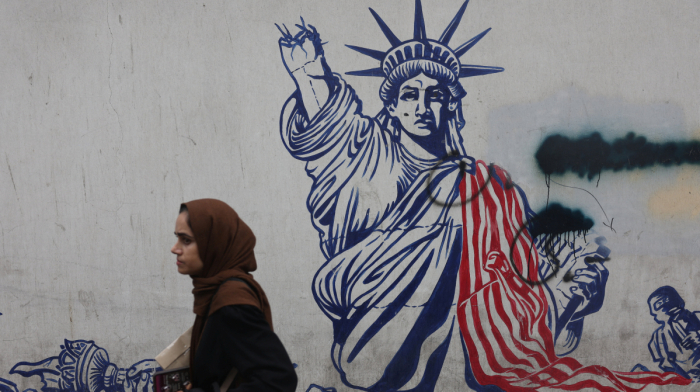
The conflict involving Iran also featured prominently in the discussions.
Trump said both governments agreed that Iran should never obtain a nuclear weapon and that commercial shipping through the Strait of Hormuz must remain open. The waterway remains one of the world’s most strategically important maritime routes, carrying a substantial share of global oil exports.
China’s public statements were more measured. Beijing did not directly endorse Trump’s framing of the conflict, though Chinese officials later reiterated support for a ceasefire and the reopening of shipping lanes.
China’s Foreign Ministry also criticised the origins of the conflict, arguing the war should never have begun. The carefully calibrated response reflected Beijing’s broader diplomatic balancing act in the Middle East, where it seeks to maintain ties with Iran while also protecting trade and energy interests across the region.
Trade promises without detailed commitments
Trade discussions produced optimistic rhetoric but little immediate clarity.
Trump claimed China had agreed to purchase 200 Boeing aircraft, along with additional quantities of American oil and agricultural products. However, Beijing has not publicly confirmed those commitments.
Xi, meanwhile, met with American business leaders during the visit and pledged that China would continue opening its economy to foreign investment. According to the White House, discussions included expanding access for U.S. companies operating in China and encouraging Chinese investment in American industries.
Officials from the Trump administration had previously floated the idea of creating a joint “board of trade” and “board of investment”, though no formal structure was announced during the summit.
For many multinational firms, the absence of another tariff escalation may itself be viewed as progress. Businesses operating across both economies have spent years navigating unpredictable policy shifts and deteriorating political relations.
Personal diplomacy remains central
Beyond policy discussions, both leaders appeared keen to emphasise personal rapport.
During a walk through the gardens of Zhongnanhai, the leadership compound in central Beijing, Trump reportedly praised the roses on display, describing them as the finest he had seen. Xi responded by offering to send rose seeds for the White House Rose Garden.
The exchange, while symbolic, reflected the continued importance both leaders place on personal diplomacy and carefully choreographed gestures.
Trump also invited Xi to visit the White House on 24 September, with additional meetings between the two leaders potentially expected at international gatherings later this year.
Whether the summit produces lasting improvements in relations remains uncertain. The fundamental disputes between Washington and Beijing - over Taiwan, trade, military influence and technological competition - remain deeply entrenched.
Yet for now, both governments appear determined to prevent rivalry from tipping into open confrontation.














What is your opinion on this topic?
Leave the first comment