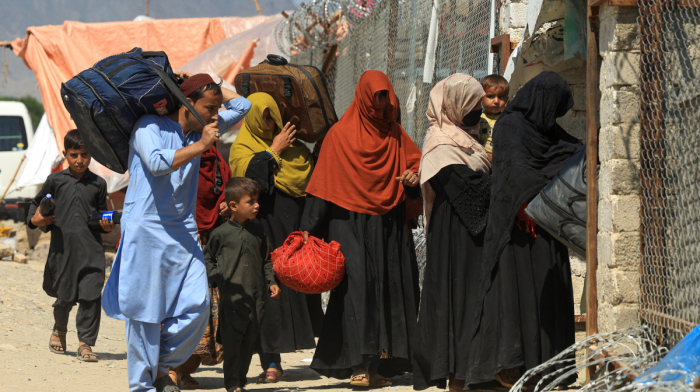
Afghan refugees avoid healthcare in Pakistan over deportation fears, MSF warns
Afghan refugees in Pakistan are delaying or avoiding medical treatment because they fear arrest under the country's deportation policy, leading to pre...
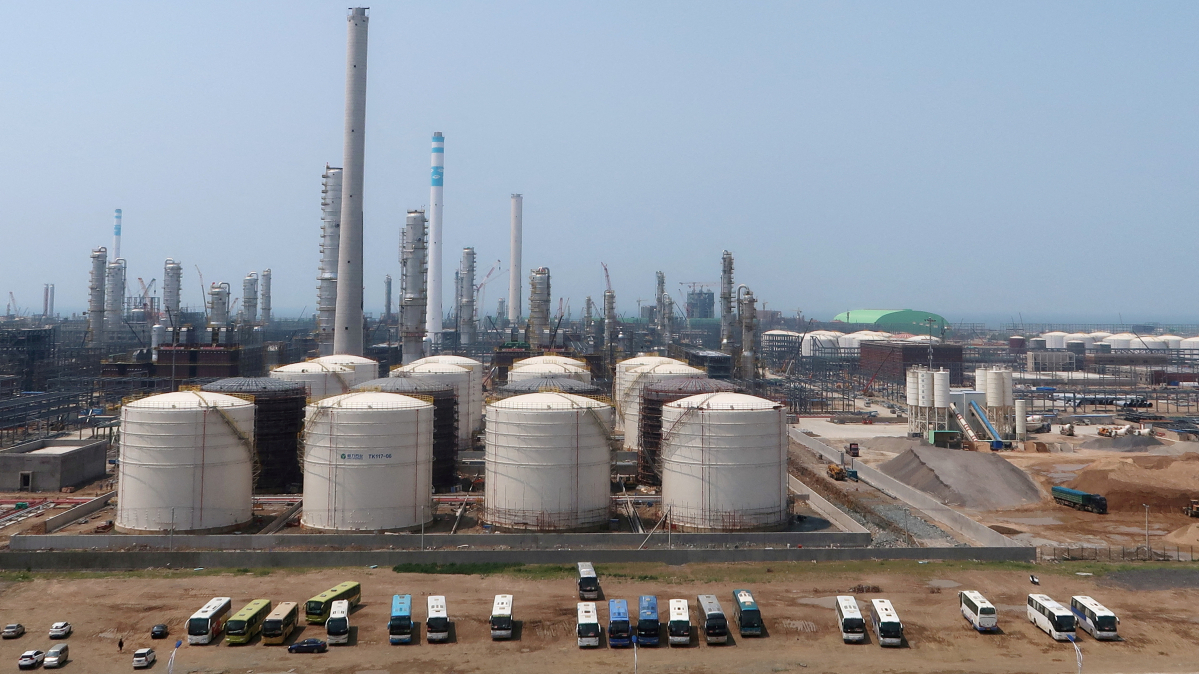
China has moved to block U.S. sanctions on five of its oil refineries, in a fresh escalation of tensions over trade and energy policy.
The country’s Ministry of Commerce said it had issued an injunction preventing the enforcement of measures imposed by Washington on companies accused of purchasing Iranian oil.
The announcement, reported by state news agency Xinhua, names Hengli Petrochemical along with four smaller “teapot” refiners: Shandong Jincheng Petrochemical Group, Hebei Xinhai Chemical Group, Shouguang Luqing Petrochemical and Shandong Shengxing Chemical.
The U.S. Treasury placed sanctions on Hengli Petrochemical in April, accusing it of buying billions of dollars’ worth of Iranian oil.
The other four firms had already been targeted in earlier measures introduced under President Donald Trump as part of efforts to restrict Tehran’s oil revenues.
China’s commerce ministry said the sanctions breach “international law and the basic norms of international relations”.
It added that the injunction means the United States “cannot recognise, implement, or comply with the sanctions imposed on the aforementioned five Chinese companies”.
The restrictions have already created operational challenges for the companies involved.
Industry sources say some refiners have struggled to secure crude supplies and have had to rebrand their products to continue trading.
The smaller independent plants, often referred to as “teapot” refineries, make up about a quarter of China’s refining capacity.
They typically operate on narrow margins and have been under pressure from weaker domestic demand in recent months.
The move by Beijing is likely to deepen friction between the two countries, as disputes over sanctions and trade continue to affect global energy markets.

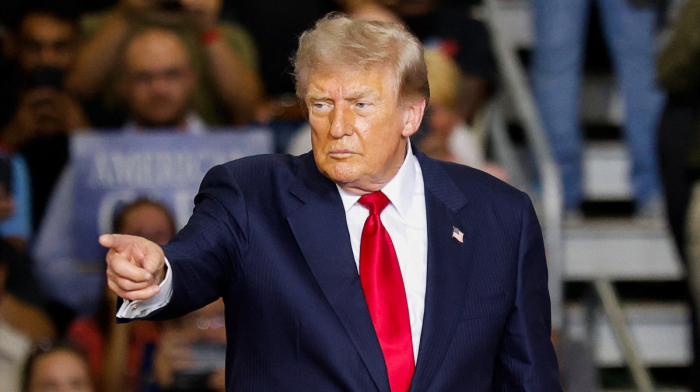
U.S. President Donald Trump said on Monday that there is a good chance” of reaching a deal with Iran, but warned that Washington would resume military operation if negotiations fail.
The Russia-Ukraine war is increasingly reshaping the Caspian region. From threats to energy infrastructure to renewed diplomatic efforts, countries across the region are adapting to the wider consequences of a conflict that continues to disrupt trade, transport and security.
Yemen warned the Houthis were seeking to replicate Iran's Strait of Hormuz strategy in the Red Sea, as U.S. President Donald Trump said there was a "good chance" of a deal with Tehran but warned strikes could resume if talks failed.
Moscow should stop linking Russia-Armenia relations to Azerbaijan, Baku's Foreign Ministry spokesperson Aykhan Hajizada has said, after Russia again raised the Collective Security Treaty Organisation's role during the former Garabagh conflict.
Saudi Arabia said its overnight strikes on Iran-backed group targets in Iraq were carried out in self-defence and warned it would take further military action if the groups launched new attacks against the kingdom.
On 29 July, AnewZ's Daybreak focused on meetings involving Donald Trump, Volodymyr Zelenskyy and Benjamin Netanyahu, escalating tensions in the Middle East following U.S. military action, and the funeral of U.S. Senator Lindsey Graham.
The European Union has added Russian energy company Inter RAO to its latest sanctions package, raising questions over the future of Georgia's power sector. The move could have implications for electricity supplies in Tbilisi because of the company's indirect ownership of key energy assets.
Russia’s largest retailer Wildberries has begun searching for warehouse space in Kazakhstan, Moscow’s Kommersant newspaper has reported, citing sources in the real estate market. It comes after Ukrainian drone strikes damaged around 10 per cent of the online marketplace's logistics hubs in Russia.
Yerevan has seen a surge in Russians seeking apartments ahead of Moscow's parliamentary elections in September and amid rumours of mass mobilisation, Russian-language publication Verstka has reported, citing anecdotal evidence from local estate agents.
UNESCO has added 25 new properties to its World Heritage List during the 48th session of the World Heritage Committee in Busan, South Korea. The newly inscribed sites include cultural, natural and mixed properties, bringing the total number of World Heritage sites worldwide to 1,273.
You can download the AnewZ application from Play Store and the App Store.
What is your opinion on this topic?
Leave the first comment