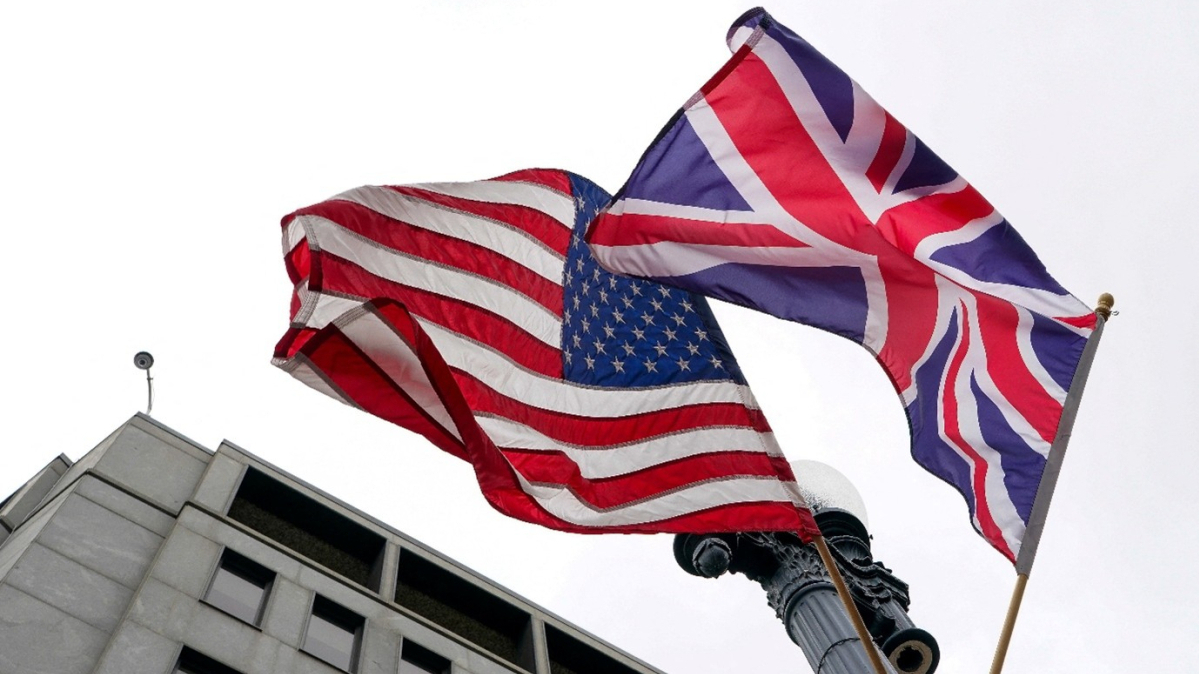
King Charles and Queen Camilla have begun a landmark visit to the U.S., aimed at reinforcing ties between the two allies at a sensitive moment. The trip comes as security concerns rise in Washington and political tensions persist over foreign policy.
The four-day visit marks the first state visit by a British monarch to the United States since 2007. It is being described as the most significant overseas engagement of the King’s reign so far, coinciding with the 250th anniversary of American independence.
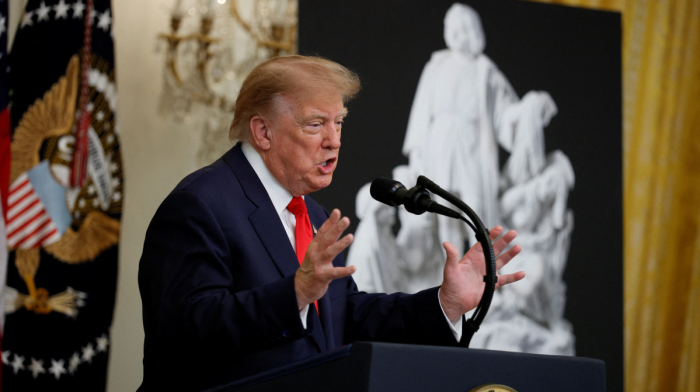
The visit includes a private meeting with U.S. President Donald Trump, as well as an address to Congress and a state dinner at the White House. The itinerary also features stops in New York and Virginia, including a commemoration at the 9/11 memorial and events honouring shared U.S. and UK military ties.
Before becoming King, Charles visited the U.S. many times in an unofficial capacity, focusing heavily on environmental issues, cultural diplomacy and charity work rather than state politics. Those visits helped to build a long-term image of continuity, even outside formal government channels.
Royal visits to the United States over the decades
The most recent comparable visit took place in May 2007, when Queen Elizabeth II and Prince Philip undertook a state visit hosted by George W. Bush. The trip is widely seen as a highlight of late-stage UK–U.S. diplomacy, reinforcing cooperation in the post-9/11 era and marking 400 years since the founding of Jamestown.
It included a White House state dinner, ceremonial welcomes on the South Lawn and an address connected to early English settlement in North America. The Queen also travelled beyond Washington, visiting Virginia, Kentucky and other locations, blending political symbolism with historical reflection. The visit is still regarded as a benchmark for modern royal diplomacy in the United States.
Cold War and post-Cold War diplomacy
Earlier visits in the 1990s also carried strong symbolic weight, particularly as the Cold War had ended and the U.S. and UK were redefining global leadership roles.
Queen Elizabeth II made a major state visit in May 1991 under President George H. W. Bush. This visit stood out for one historic reason: the Queen became the first British monarch to address a joint session of the U.S. Congress, underlining the depth of institutional ties between the two countries.
Earlier still, in 1983, Queen Elizabeth II and the Duke of Edinburgh made an official visit to the West Coast during Ronald Reagan’s presidency. Unlike more formal state visits centred in Washington, this trip had a broader cultural focus, reflecting growing regional engagement across the United States.
Historic milestones in UK-U.S. relations
In July 1976, the Queen visited the United States during the Bicentennial celebrations under President Gerald Ford. That visit carried major symbolic weight, marking 200 years since American independence and reframing the former colonial relationship into one of partnership and shared identity.
Going further back, in October 1957, Queen Elizabeth II made her first state visit to the United States as monarch, hosted by President Dwight D. Eisenhower. That early Cold War-era trip helped set the tone for post-war Anglo-American relations, combining ceremonial diplomacy with strategic alignment.
In October 1951, Princess Elizabeth visited the United States with Prince Philip while President Harry S. Truman was in office. The visit took place before she became Queen and had a more informal diplomatic character, but it remained significant in introducing the future monarch to American political and public life.
The first visit by a reigning British monarch to the United States took place in June 1939, when King George VI and Queen Elizabeth travelled to Washington during a period of rising global tension on the eve of the Second World War. The trip was widely seen as an effort to strengthen Anglo-American relations as Europe edged towards conflict, and included meetings with President Franklin D. Roosevelt alongside a carefully managed public programme designed to build goodwill between the two nations.


















What is your opinion on this topic?
Leave the first comment