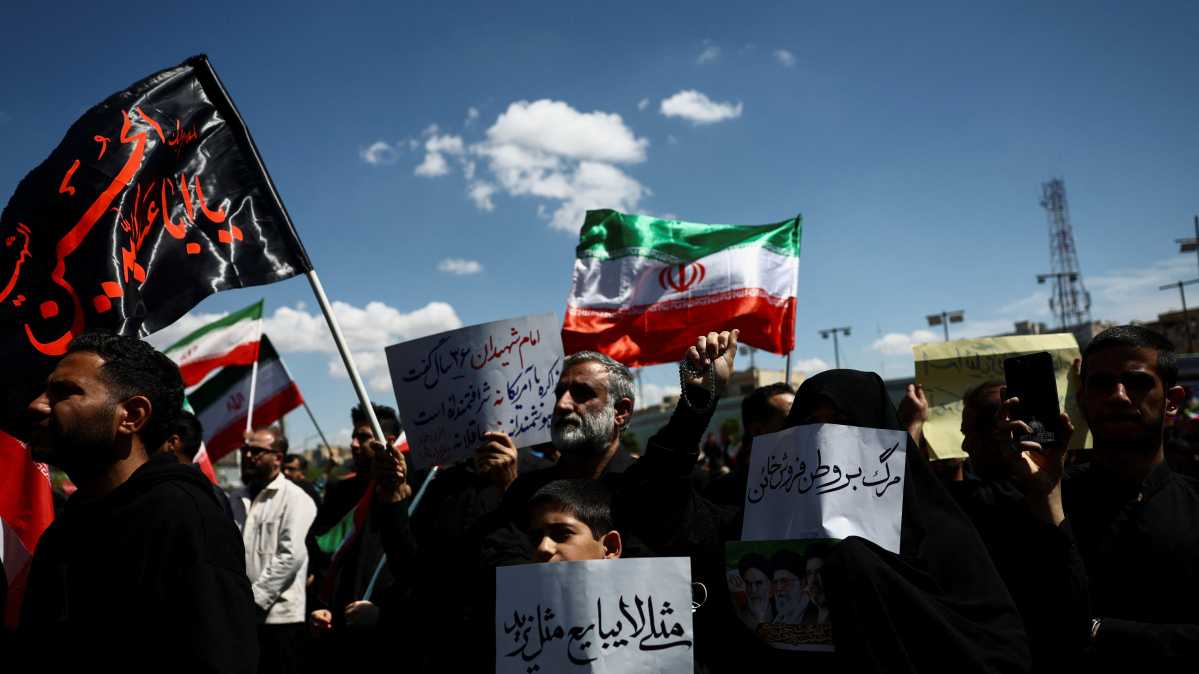
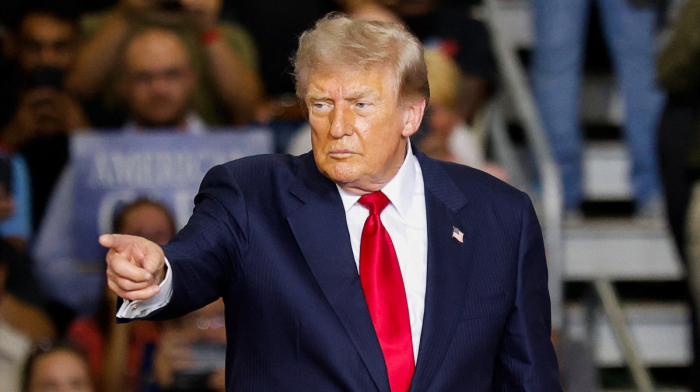
The U.S. House of Representatives has narrowly voted to block an effort to rein in Donald Trump’s authority to conduct military operations against Iran.
In a razor-thin vote of 214 to 213 on Thursday (16 April), lawmakers rejected a Democratic-led war powers resolution that would have required the president to halt military action unless Congress formally authorised it.
The outcome came just a day after a similar proposal failed in the Senate, dealing another blow to Democrats seeking a greater say over U.S. involvement in the Middle East.
The measure, brought under the War Powers Resolution of 1973, aimed to reassert Congress’s constitutional role in declaring war. Democrats argue that the U.S. Constitution is clear: only Congress has the authority to take the country into war.
Yet, as has often been the case across modern presidencies, the White House and most Republicans insist that the commander-in-chief retains the power to order limited military action, particularly when national security is at stake.
They maintain that Trump’s actions - part of a campaign launched alongside Israel on 28 February - are lawful and necessary to protect U.S. interests.
Party lines hold firm
The vote largely followed party lines. Almost every Republican opposed the resolution, with just one breaking ranks and another abstaining. One Democrat voted against it.
Despite some unease within Republican ranks over the cost and trajectory of the conflict, party support for the president has held firm more than six weeks into the fighting.
Still, anxiety is growing on Capitol Hill. Lawmakers from both sides are increasingly wary of the war’s mounting financial burden, its uncertain objectives and the possibility of a wider regional escalation.
Speaking ahead of the vote, senior Democrat Gregory Meeks struck a stark tone: “We are standing at the edge of a cliff, and Congress must act before this president pushes us off. Every day we delay, we inch closer to a conflict with no exit ramp.”
Questions over the cost of the war have only added to concerns. At recent hearings, White House budget director Russ Vought declined to provide a clear estimate, and did not confirm suggestions from Senator Jeff Merkley that the price tag may already have reached $50 billion.
Although the resolution failed, Democrats say the effort is far from futile. Forcing votes, they argue, puts lawmakers on record and keeps pressure on the administration.
With Democratic leaders in both the House and Senate pledging to bring the issue back again, the battle over who controls America’s war powers looks set to continue – even as the conflict itself shows no clear sign of ending.




















What is your opinion on this topic?
Leave the first comment