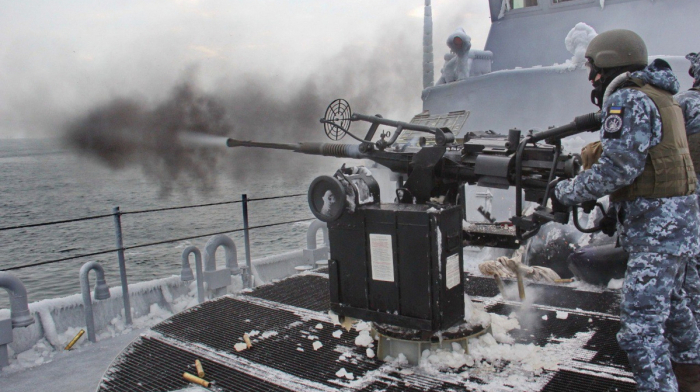
live Yemen warns Houthis seek to replicate Iran's Hormuz strategy in Red Sea
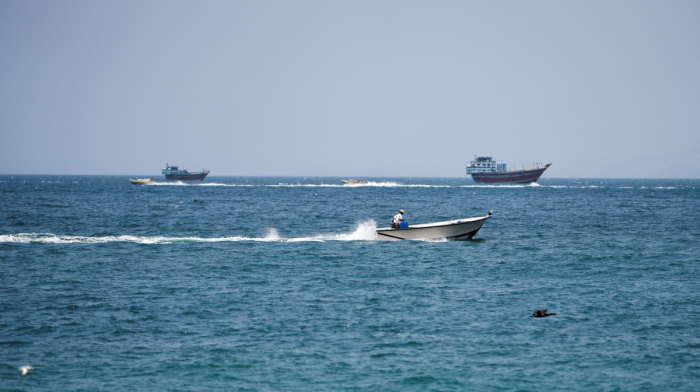
Yemen warned the Houthis were seeking to replicate Iran's Strait of Hormuz strategy in the Red Sea, as U.S. President Donald Trump said there was a "g...
RRussian Foreign Minister Sergey Lavrov’s visit to Beijing is placing China’s diplomacy under closer scrutiny, as it balances its partnership with Moscow against strained relations with the U.S.
In an interview with Anewz, Anna Evans, a political analyst, said that Russian Foreign Minister Sergey Lavrov’s trip to Beijing, alongside fresh signals that President Vladimir Putin may visit China soon, comes at what she called “one of those critical junctures”, when it matters to show that Russia and China “remain very much aligned”, particularly because of the war and disruption around the Strait of Hormuz.
Evans argued that China’s energy exposure has sharpened Beijing’s interests, saying “China purchases 90% of Iranian oil”, and that limits on shipping and naval movements through Hormuz make Russian energy supplies “absolutely precious” for China, even if Russia’s own exports do not rely on the strait.
Evans said the relationship, often seen as tilted towards China because of its economic weight, could appear more balanced in the current crisis because Beijing “vitally needs Russia, even more than it needed before, for its energy”, while Moscow relies on China in financial and technological terms.
She further told Anewz that a Putin visit would be about showing the partnership is intact and about practical steps, including investment in pipelines and other infrastructure that can secure energy flows, and access to critical raw materials for technology industries.
On whether China is positioning itself as a broker between rival camps, Evans said this is Beijing’s “usual strategy”, a preference for “silent negotiation” and “a backstage role”, describing China as “very silently a back channel”, rather than a power that seeks the limelight, even when it has clear interests in Russia, Iran, and the wider Middle East crisis.

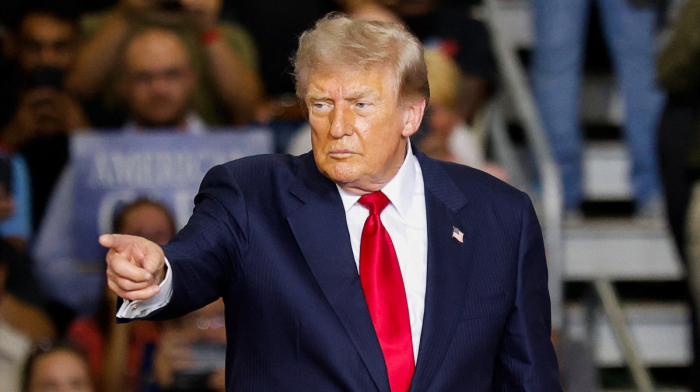
U.S. President Donald Trump said on Monday that there is a good chance” of reaching a deal with Iran, but warned that Washington would resume military operation if negotiations fail.
Iran will halt its own attacks as long as the United States maintains its pause on strikes, but Tehran remains sceptical of U.S. intentions, a senior Iranian source told on Sunday.
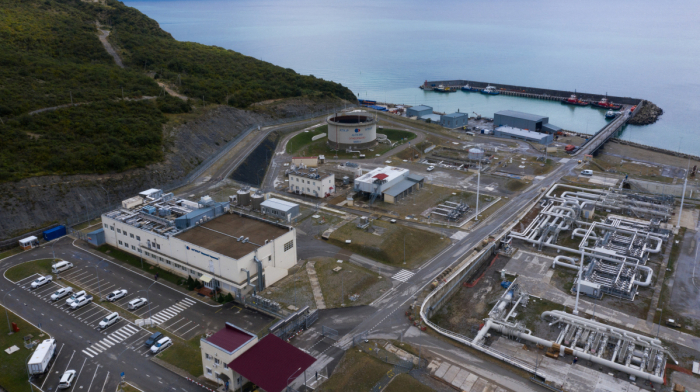
The Russia-Ukraine war is increasingly reshaping the Caspian region. From threats to energy infrastructure to renewed diplomatic efforts, countries across the region are adapting to the wider consequences of a conflict that continues to disrupt trade, transport and security.
A New York school district has put plans to introduce a humanoid robot into classrooms on hold after fierce criticism from teachers, Indigenous community members and state education officials over the use of artificial intelligence in schools.
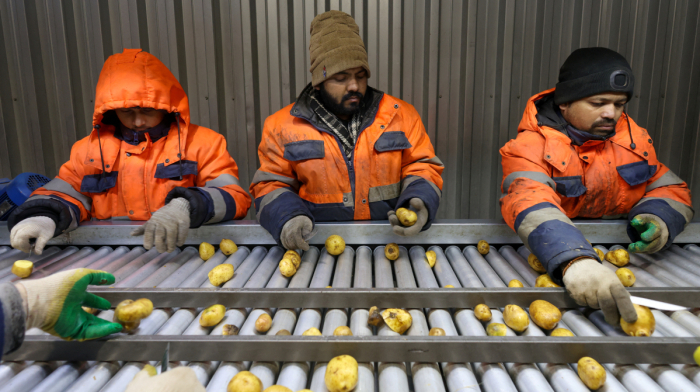
Russian President Vladimir Putin has signed laws introducing stricter financial requirements for foreign workers, as Moscow continues to tighten migration controls affecting millions of labour migrants, particularly from Central Asia.
Artificial intelligence is transforming the foundations of global power. Strategic competition is no longer defined solely by territory, military strength or natural resources, but increasingly by computing power, semiconductors, energy and digital infrastructure.
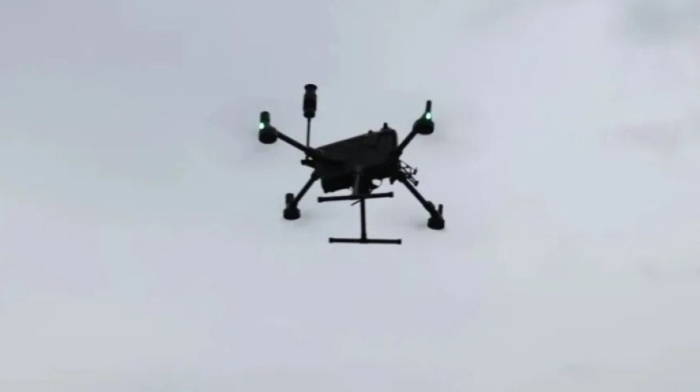
Meteorologists in China have used a swarm of drones to observe Typhoon Noul as it passed through Guangdong province, aiming to improve weather monitoring and forecasting during extreme storms.
Tehran has stressed that its commercial vessel hit by a Ukrainian drone in the Caspian Sea on Saturday was carrying only civilian cargo and vowed to respond appropriately while holding Kyiv responsible for the attack.
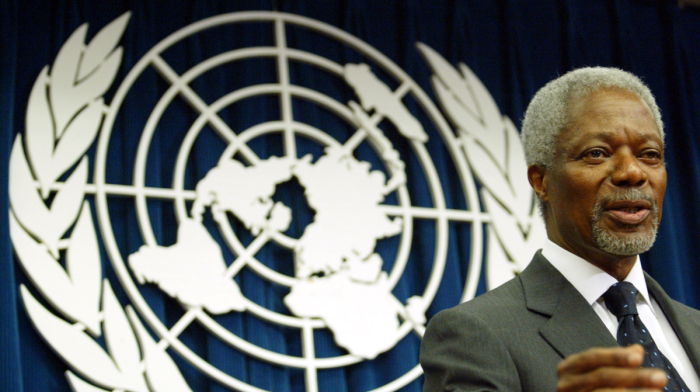
Since 1946, nine people have served as UN Secretary-General, the closest thing the world has to a chief diplomat. The role carries no army and little hard power, yet its occupants have shaped how nations respond to war, famine and global crises. Here are five who left the deepest mark.
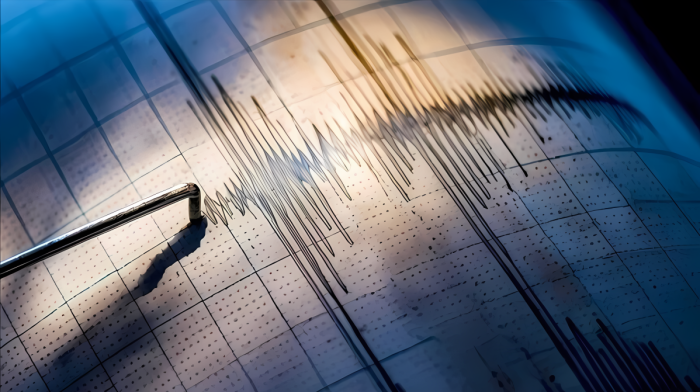
Two shallow earthquakes hit a remote area of China's Qinghai province on Tuesday, with authorities reporting no casualties or collapsed buildings so far.
You can download the AnewZ application from Play Store and the App Store.
What is your opinion on this topic?
Leave the first comment