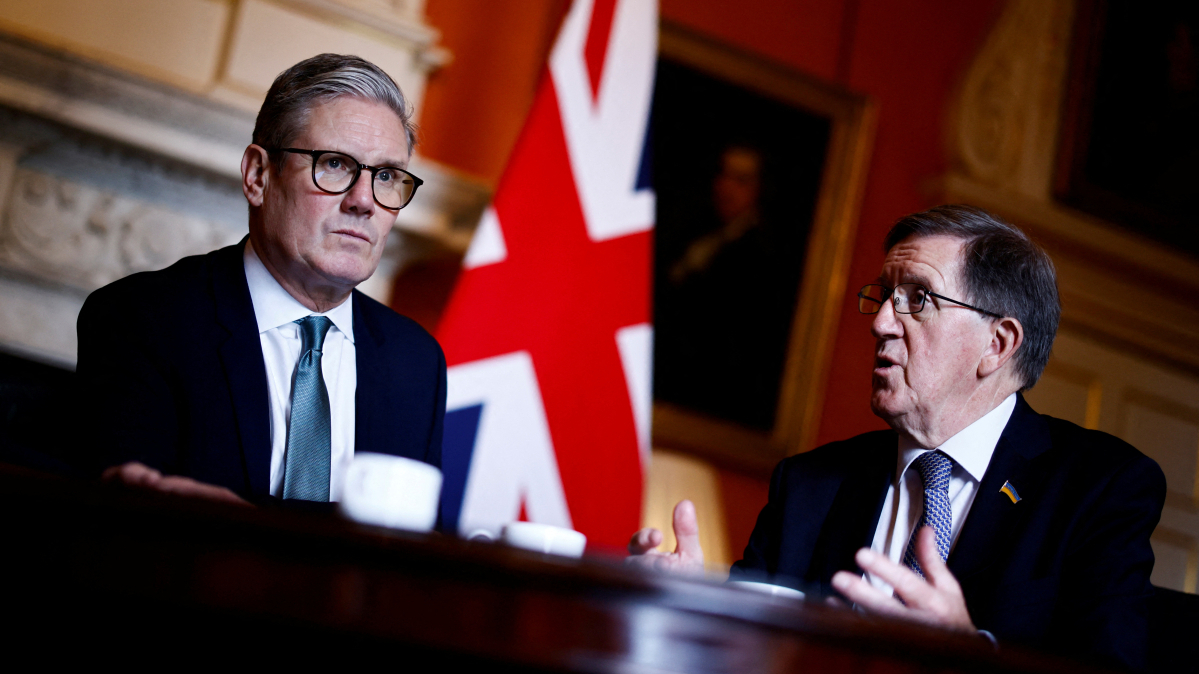
A former NATO chief and senior figure the UK's ruling Labour Party has launched a sharp attack on Prime Minister Keir Starmer, accusing his government of failing to adequately fund defence.
George Robertson, who served as Secretary General of NATO from 1999 to 2003 and is a former UK Defence Secretary, said there was a clear gap between the government’s rhetoric and its actions, arguing ministers were “not willing to make the necessary investment” to protect the country.
Speaking at a lecture in southern England, Robertson warned the UK had become increasingly vulnerable to external threats, describing the country as “under-prepared” and “not safe.”
His criticism comes despite the fact he helped draft the government’s own Strategic Defence Review after Labour returned to power in 2024.
Downing Street pushed back strongly, rejecting the claims and insisting the prime minister is focused on ensuring defence spending meets modern threats. A spokesperson said decisions must be “fit for the threats that we face.”
The row highlights growing tensions over defence policy, as the government has yet to publish a long-promised 10-year investment plan. That delay has fuelled concerns among military figures and analysts about whether the UK can keep pace with evolving security risks.
Defence budgets sidelined
Robertson also criticised the Treasury, accusing officials without military expertise of making damaging decisions on funding. He suggested defence had been sidelined in recent Budget discussions, despite mounting global instability.
The former NATO chief pointed to conflicts in Ukraine and the Middle East as warning signs, arguing they should act as a “wake-up call” for Britain’s preparedness.
The government has pledged to increase defence spending to 3% of national output in the next Parliament, describing it as the largest sustained rise since the Cold War. However, critics say those commitments have yet to translate into concrete action.
Robertson went further, accusing political leaders of what he called a “corrosive complacency” towards national security, warning that acknowledging risks without funding solutions leaves the UK exposed.
He concluded that without significant investment, Britain would struggle to meet the demands of modern warfare, particularly as defence strategies shift towards drones, digital systems and data-led combat.




















What is your opinion on this topic?
Leave the first comment