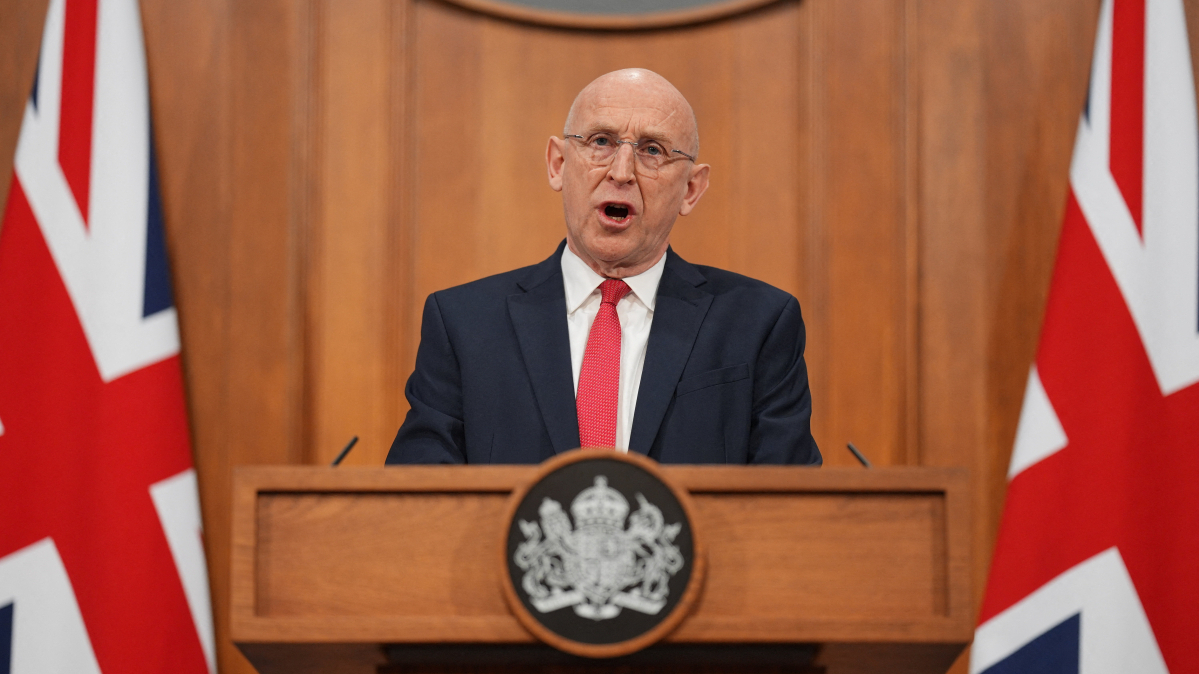
Three Russian submarines were detected near British waters, the UK Defence Secretary, John Healey MP, announced on Thursday (9 April). Speaking at a press briefing in Downing Street, he said an attack submarine and two specialist vessels were being monitored by the Ministry of Defence.
The activity took place over more than a month earlier this year, according to the Ministry of Defence.
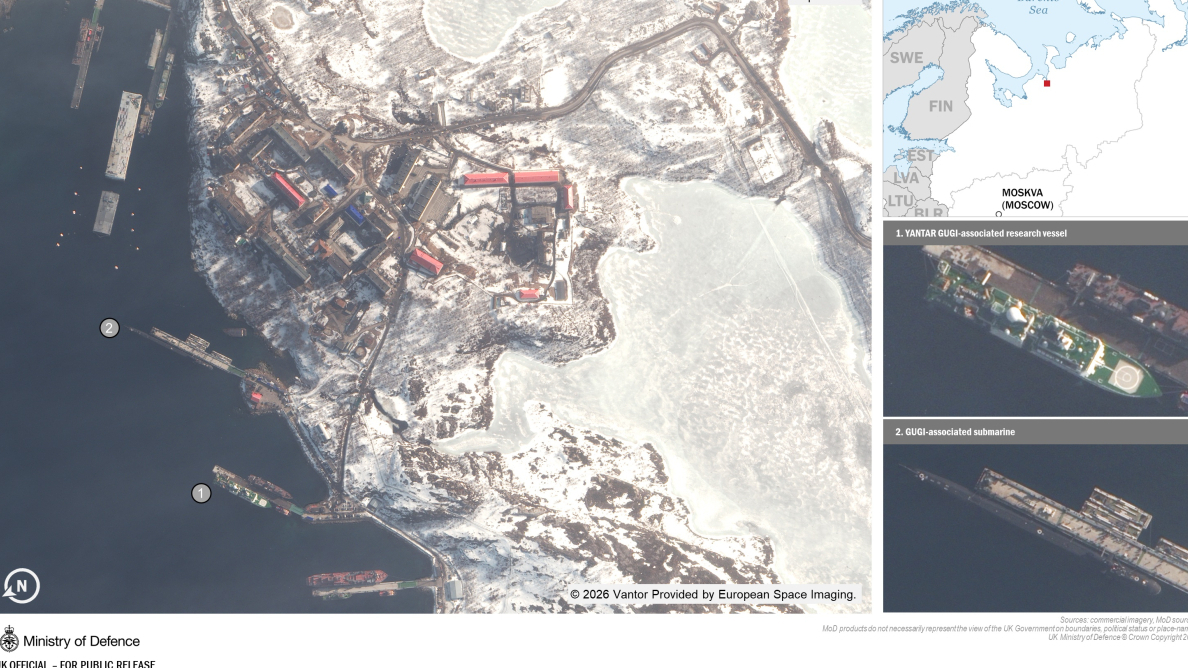
Healey’s department said it deployed a warship and aircraft to monitor the vessels. The UK worked with Norway and other allies to identify and track the Russian undersea units from GUGI (Russia’s Main Directorate of Deep Sea Research). Healey said the operation involved an Akula-class attack submarine alongside two specialist vessels operated by GUGI, which are designed to survey underwater infrastructure in peacetime and potentially sabotage it during conflict.
The Royal Navy deployed the Type 23 frigate HMS St Albans, RFA Tidespring and Merlin helicopters, alongside an RAF P-8 aircraft. The RAF and Royal Navy also used sonobuoys to track and monitor the vessels.
Healey confirmed the foreign submarines have "have now left UK waters and headed back north."
No damage to critical infrastructure
Healey said he believed no damage had occurred to critical UK underwater data cables or energy pipelines. "We see your activity over our cables and our pipelines, and you should know that any attempt to damage them will not be tolerated and will have serious consequences," he said in the statement, directly addressing Russian President Vladimir Putin. Around 60 cables connect the UK to international networks, including banking, intelligence and other data systems. Russia’s embassy in London did not immediately respond to a request for comment and Moscow has previously denied involvement in incidents involving damaged European infrastructure.
He confirmed the submarines were not near UK land: "These were our wider waters in and out and around our exclusive economic zone, to be clear, not our close-by shore territorial waters."
In a statement on the UK government website, Prime Minister Keir Starmer said "we will not shy away from taking action and exposing Russia’s destabilising activity that seeks to test our resolve."
The threat to underwater infrastructure has existed for some time. Cables in northern European waters linking Sweden, Finland, Estonia, Norway and Scotland’s Shetland Islands have previously been severed. In January 2025, the UK was monitoring another Russian vessel mapping cable locations. NATO allies have increased their presence in the North Atlantic and Baltic Sea since Russia’s invasion of Ukraine in 2022, following a series of incidents involving damaged cables and pipelines.
The Ministry of Defence has announced an additional £100 million to support submarine-hunting aircraft, as part of a wider £270 billion defence investment through to 2029.




















What is your opinion on this topic?
Leave the first comment