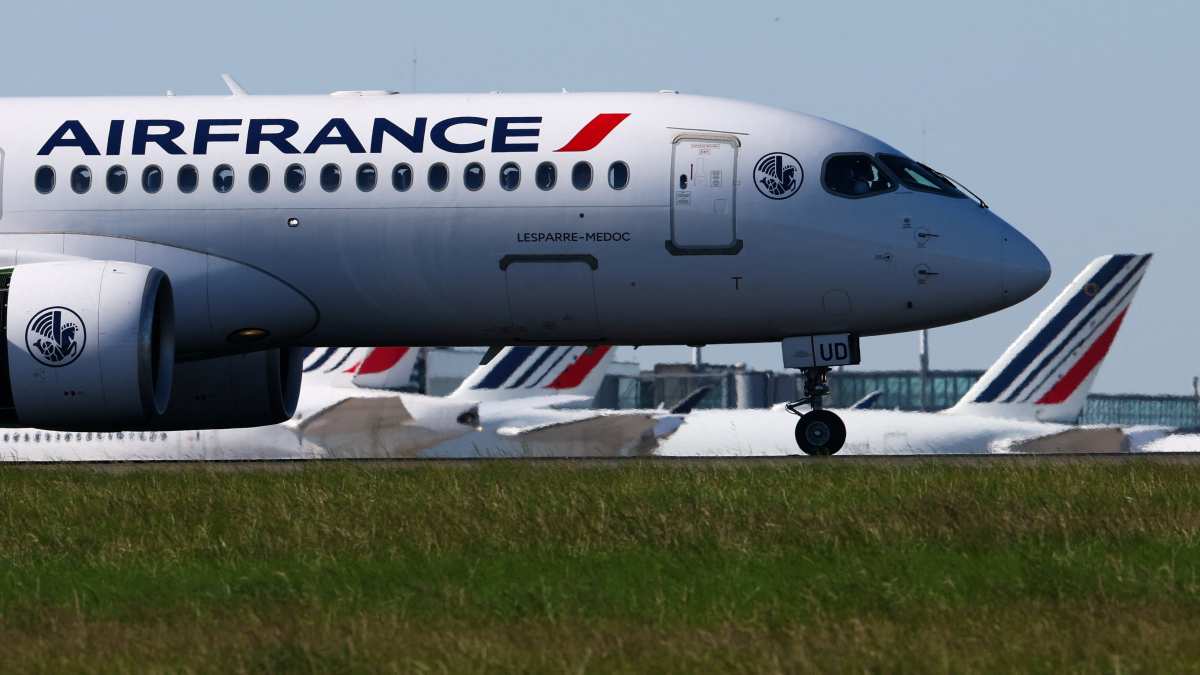
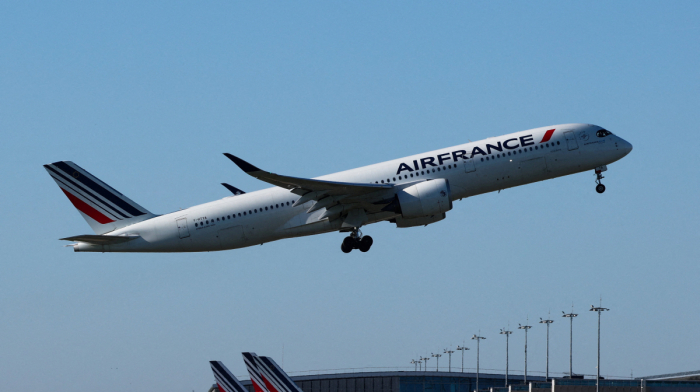
A Paris appeals court will issue a verdict on Thursday on the 2009 crash of an Air France passenger jet after the airline and planemaker Airbus faced trial over corporate manslaughter.
Relatives of some of the 228 passengers and crew who died when the Airbus A330 vanished in darkness during an Atlantic storm are expected in court following a 17-year legal battle to pinpoint blame for France's worst air disaster.
The scheduled verdict is the latest step in a legal marathon involving two of France's most emblematic companies and relatives of the mainly French, Brazilian and German victims.
At the closing of the eight-week trial in December, prosecutors urged the Paris Court of Appeal to impose the maximum fine for corporate manslaughter, €225,000 ($261,720) each.
In 2023, a lower court had cleared the two companies, both of which have repeatedly denied the charges.
The proposed fines, amounting to just a few minutes of either company's revenue, have been widely dismissed as a token penalty. But family groups have said a conviction would represent a recognition of their plight.
Further appeals are likely
Whatever the outcome, French lawyers expect further appeals to the country's highest court, potentially dragging the process out for years more and prolonging the ordeal for relatives.
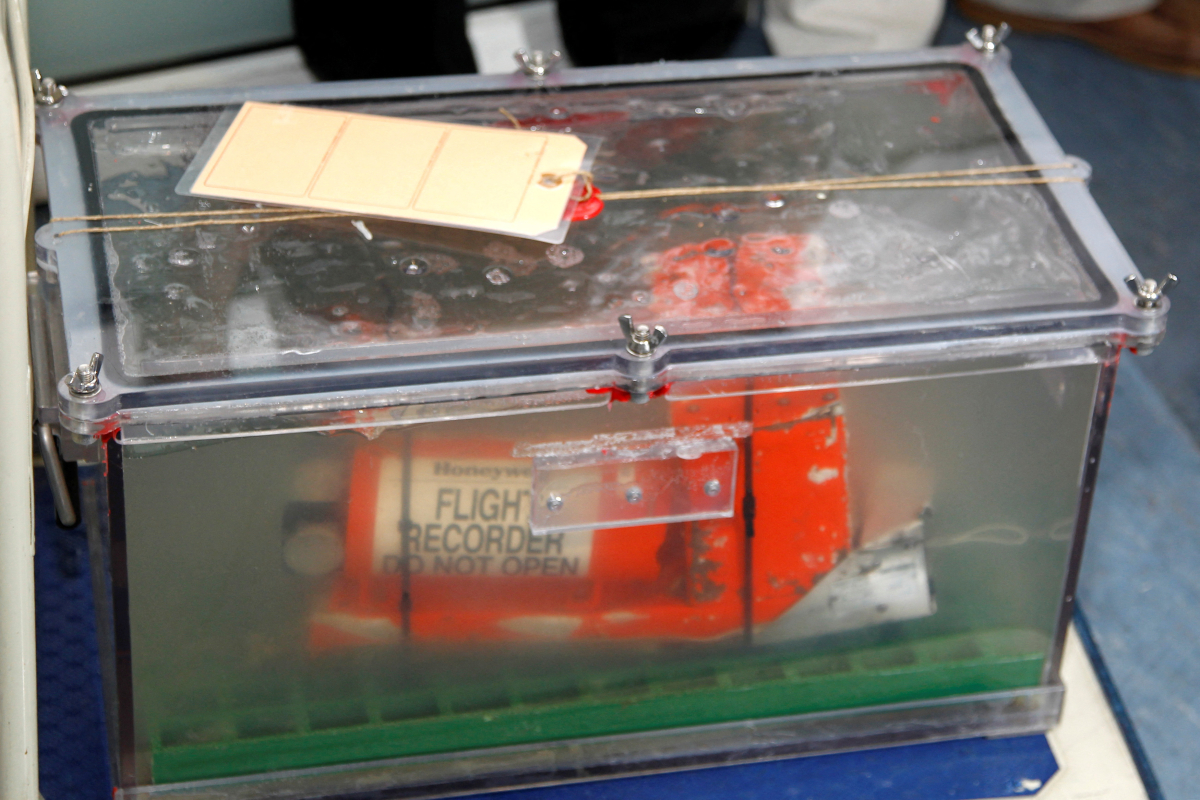
Flight AF447 vanished from radar screens on 1 June, 2009, while en route from Rio de Janeiro to Paris. The black boxes were recovered two years later.
In 2012, crash investigators found the plane's crew had pushed their jet into a stall, chopping lift from under the wings, after mishandling a problem to do with iced-up sensors.
Prosecutors, however, focused their attention on alleged failures inside both the planemaker and airline. Those included poor training and failing to follow up on earlier incidents.
To prove manslaughter, prosecutors must not only establish that the companies were guilty of negligence but pull the threads together to demonstrate how this triggered the disaster.
In the lower court, judges found that both companies had been negligent but that there was no proof of a causal link.
Under the French system, last year's appeal proceedings involved a completely new trial with evidence reviewed from scratch. Any further appeals following Thursday's verdict will shift the focus from the AF447 cockpit to points of law.















What is your opinion on this topic?
Leave the first comment