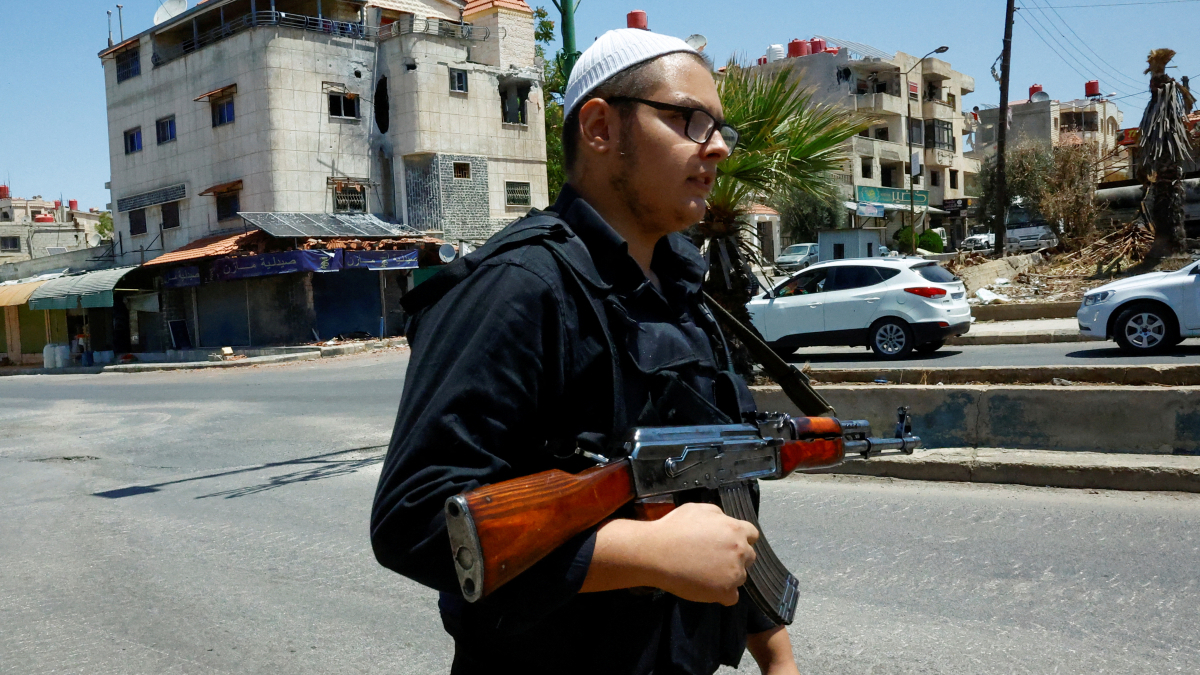
The Independent International Commission of Inquiry on the Syrian Arab Republic has released a report on 27 March 2025 detailing extreme violence in Suwayda, Syria, in July 2025, which resulted in more than 1,700 deaths and the displacement of nearly 200,000 people.
Based on 409 first-hand accounts and field visits facilitated by the Syrian government, the report documents potential war crimes and crimes against humanity, including executions, torture and gender-based violence.
Paulo Sérgio Pinheiro, Chair of the Commission, said: “The scale and brutality of the violence and violations documented in Suwayda are deeply distressing.”
He added that there are “expanded efforts to pursue accountability for all perpetrators, regardless of affiliation or rank.”
Three waves of violence
The escalation, triggered by intercommunal tensions and exacerbated by Israeli military intervention, occurred in three distinct phases:
First wave (14–16 July 2025): Government forces and tribal fighters targeted Druze communities in western Suwayda and Suwayda city. This involved the systematic separation and execution of men, alongside arbitrary detention and pillage.
Second wave (17 July 2025): Following a government withdrawal prompted by Israeli airstrikes, Druze armed groups retaliated against the Bedouin community, committing murder and torture that led to the near-total forced displacement of the local Bedouin population.
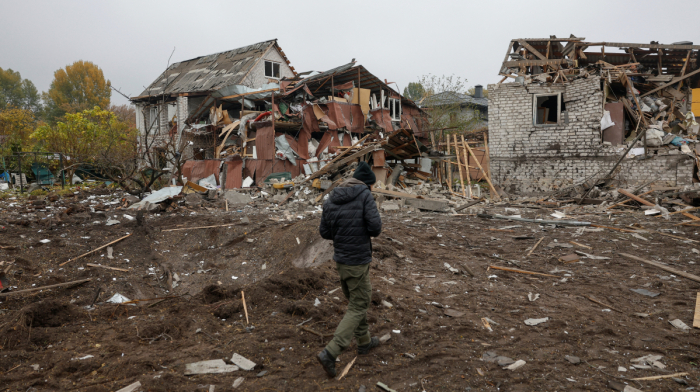
Third wave (17–19 July 2025): Tribal fighters launched a retaliatory assault on 35 Druze-majority or mixed villages. This was the most destructive phase, involving the burning of tens of thousands of homes, businesses and religious sites. The report also states that some government forces members removed their uniforms and joined the attacks.
Casualties and displacement
The Commission confirmed at least 1,707 total fatalities with the following breakdown:
- Druze community: 1,190 men, 99 women, 22 boys and 31 girls were killed.
- Bedouin community: 53 men, nine women, five boys and three girls were killed.
- Government and others: At least 225 government personnel - many killed in Israeli airstrikes in Suwayda and Damascus between 14 and 16 July - as well as various tribal fighters.
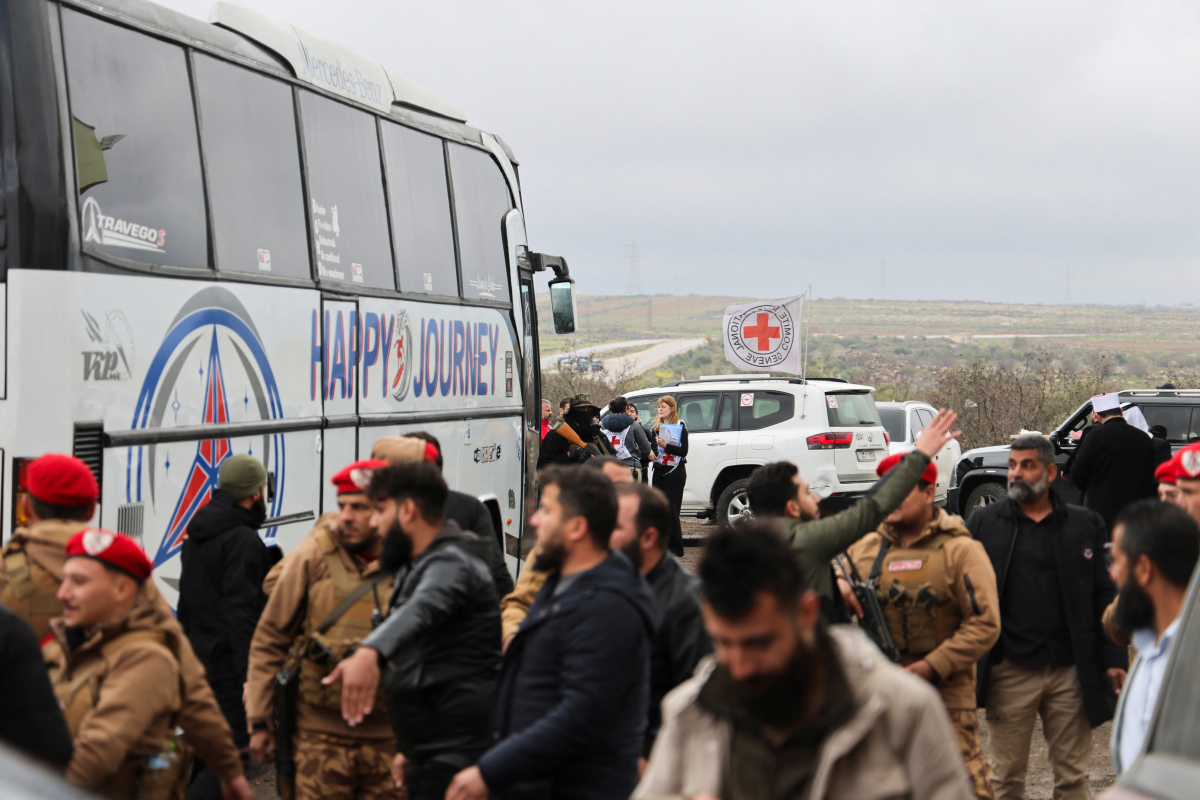
While most of the hundreds abducted have been released, approximately 100 Druze, 20 Bedouin and 30 government personnel remain missing. Sexual violence, including rape, was reported in both communities and remains under investigation.
Currently, around 155,000 displaced people - mostly Druze from destroyed villages, along with nearly the entire Bedouin population - are unable to return home.
Accountability and external factors
Commission Chair Paulo Sérgio Pinheiro emphasised the urgent need for accountability to rebuild trust. While the Syrian government has detained 23 security and army personnel following a national inquiry, the Commission is calling for further investigations into command responsibility.
The report also highlights that Israeli intervention and the spread of online misinformation - including fabricated claims of harm to infants circulated by Israeli officials - deepened sectarian divisions and incited further hatred.
The Commission urges all parties, including Druze armed groups and external actors such as Israel, to uphold international law, halt destabilising actions and support reconciliation efforts.














What is your opinion on this topic?
Leave the first comment