Trump threatens severe action if Iran does not agree to ceasefire deal
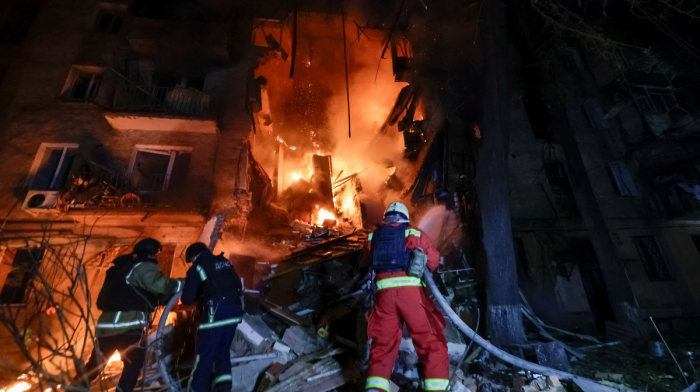
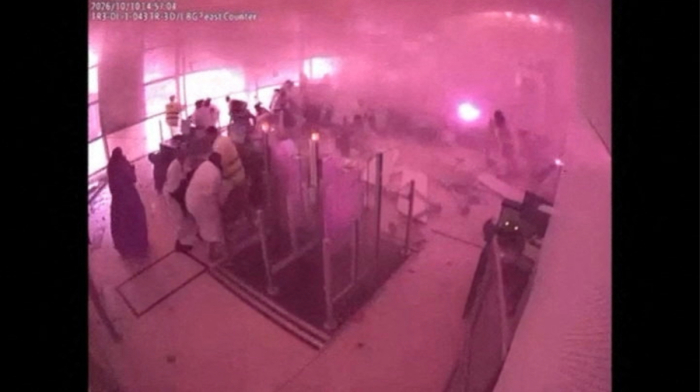
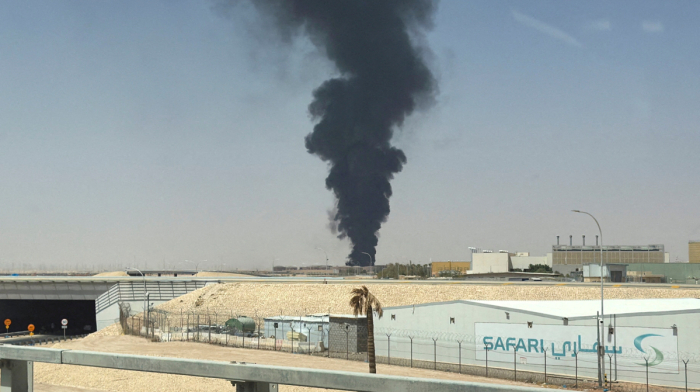
U.S. President Donald Trump warned Iran it could face devastating strikes within hours unless it agrees to a ceasefire by Tuesday night, escalating...
Protests erupted in Israel as negotiators announced a breakthrough in talks to end the Gaza conflict and secure the release of hostages. Some family members of the captives voiced concerns over the terms of the proposed deal, while others voiced their optimism.
Protests erupted across Israel on January 13 as negotiators reported a “breakthrough” in talks aimed at ending the Gaza conflict and securing the release of hostages. Family members of those held by Hamas since the October 7 attack gathered in Tel Aviv, demanding an immediate agreement for their loved ones' release.
Demonstrators carried photos of Israeli Air Force officer Ron Arad, who went missing in 1986 and is believed to have been captured by militants in Lebanon. His fate symbolizes the enduring pain and hope surrounding hostage situations in Israel.
In a separate protest in Jerusalem, a small group of activists wearing white staged a sit-in, calling for the immediate release of all hostages.
Shay Dickmann, the cousin of Israeli hostage Carmel Gat, who was killed in Hamas captivity, expressed hope for a resolution: “I’m hopeful that this time it’s going to happen and we’re going to see 98 people back home.”
However, some family members and supporters voiced strong opposition to the terms of the proposed ceasefire deal, which includes the gradual release of hostages in exchange for Israel’s planned withdrawal from Gaza.
Jerusalem resident Yaakov Abady, opposing the deal, said: “This deal is a horrible deal. It’s a tragedy. It means abandoning the hostages that are not released in this step... it means releasing thousands of terrorists that are only going to go back to their terrorist ways.”
Earlier on Monday, mediators presented a final draft of the ceasefire deal to both Israel and Hamas, following a reported breakthrough in negotiations.

U.S. President Donald Trump on Monday told reporters that Iran could be taken out in one night, "and that night might be tomorrow night," warning Tehran it had to make a deal by Tuesday night or face wider bombing raids.
The crew of Artemis II mission are entering a pivotal phase of their journey, as they prepare to swing around the Moon and head back towards Earth. Now on the fifth day of their 10-day mission, the four astronauts are already witnessing views no human has ever seen.
U.S. President Donald Trump threatened Iran's energy and transport infrastructure in a social media post containing expletives on Sunday (5 April), as he seperately gave Iran a deadline of Tuesday to reopen the Strait of Hormuz.
A new proposal to end hostilities between the United States and Iran could come into effect as soon as Monday, potentially reopening the vital Strait of Hormuz, a source familiar with the plan said on Monday.
Oil prices rose sharply on Monday as fears deepened over potential supply shortages caused by the ongoing conflict in the Middle East, unsettling global energy markets and the row over the Strait of Hormuz, raising concerns for consumers and businesses alike.
As Hungary approaches a crucial vote, younger citizens who grew up under Prime Minister Viktor Orbán are increasingly backing the opposition, with some saying they may leave if he secures another term.
Greek Prime Minister Kyriakos Mitsotakis has urged EU prosecutors to speed up their probe into politicians from his party who are under investigation for fraud. The EU has asked to investigate 11 conservative MPs who are currently protected by parliamentary immunity.
In a move highlighting growing friction between global trade and digital retail, China on Monday issued new guidance for its rapidly expanding e-commerce sector.
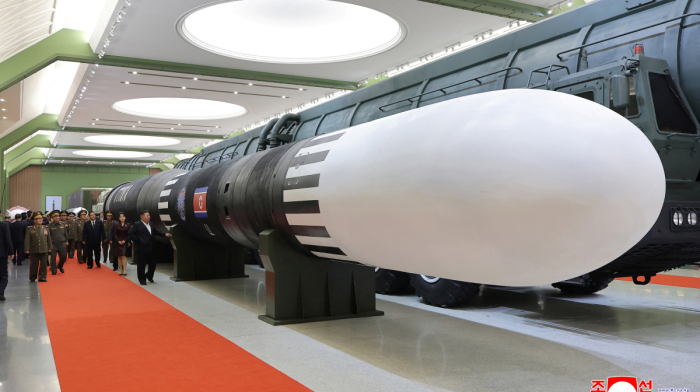
North Korea's test of a solid-fuel rocket engine is intended for intercontinental ballistic missiles (ICBM) built with carbon fibre to extend range and allow for delivery of heavier and possibly multiple warheads, South Korean lawmakers said on Monday.
Hungarian Prime Minister Viktor Orbán called an emergency defence council on Sunday (5 April) after powerful explosives were discovered near a pipeline in Serbia that carries Russian gas to Hungary.
You can download the AnewZ application from Play Store and the App Store.
What is your opinion on this topic?
Leave the first comment