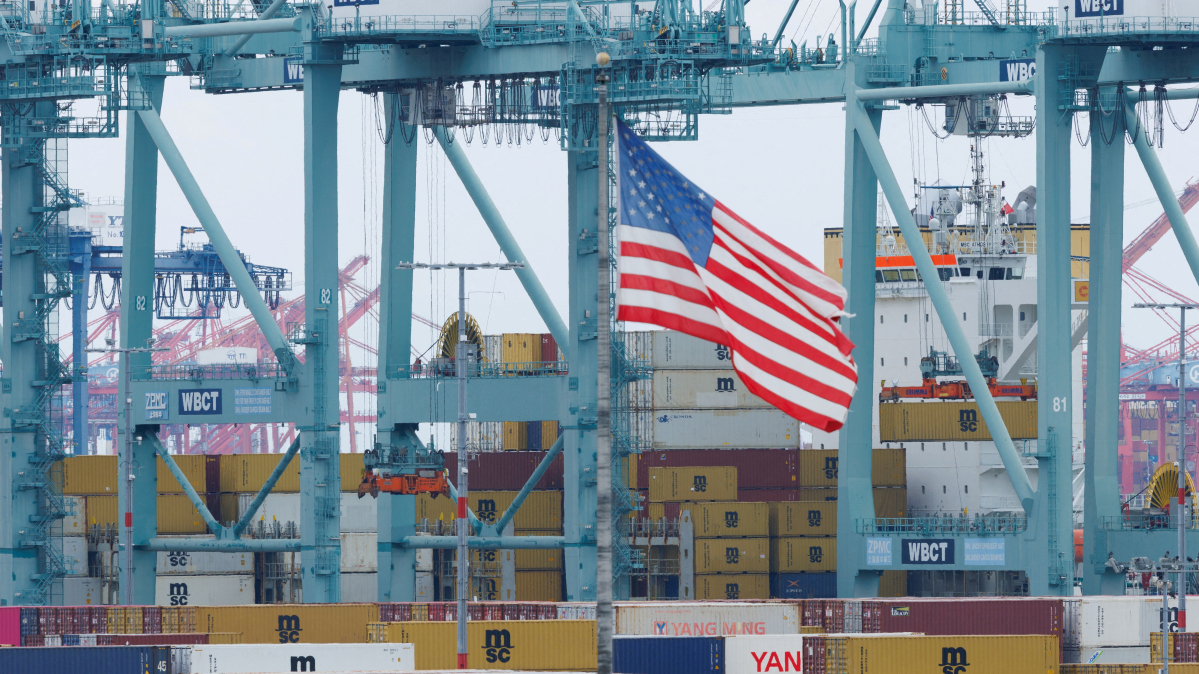
The U.S. Customs and Border Protection agency will halt the collection of tariffs imposed under the International Emergency Economic Powers Act on Tuesday (24 February), more than three days after the U.S. Supreme Court declared the duties unlawful.
In a message to shippers via its Cargo Systems Messaging Service (CSMS), the agency said it would deactivate all tariff codes associated with U.S. President Donald Trump’s previous IEEPA-related orders as of Tuesday.
The suspension of IEEPA tariff collections coincides with Trump’s move to introduce a new 15% global tariff under a separate legal authority to replace those struck down by the Supreme Court on Friday (20 February).
Trump said on Saturday that he would raise temporary tariffs on nearly all U.S. imports from 10% to 15%, the maximum permitted under the law. The Supreme Court ruled that Trump had exceeded his authority when he imposed the earlier tariffs under emergency economic powers legislation.
CBP gave no explanation as to why it had continued collecting the tariffs at ports of entry in the days following the Supreme Court’s ruling, and its message provided no details on potential refunds for importers.
The notice stated that the suspension would not affect any other tariffs imposed by Trump, including those introduced under the Section 232 national security statute and the Section 301 unfair trade practices statute.
"CBP will provide additional guidance to the trade community through CSMS messages as appropriate," the agency said.
Reuters reported on Friday that the Supreme Court’s decision left more than $175 billion in U.S. Treasury revenue generated by the IEEPA tariffs potentially subject to refunds, citing estimates by economists at the Penn Wharton Budget Model.
Their ground-up forecasting model estimated that IEEPA-based tariffs were generating more than $500 million per day in gross revenue.














What is your opinion on this topic?
Leave the first comment