live Ships attacked as Iran closes Strait of Hormuz again - Saturday 18 April
Two Indian-flagged ships were shot at in the Strait of Hormuz on Saturday, India's Foreign Ministry said as Iran closed the Strait of Hormuz ag...
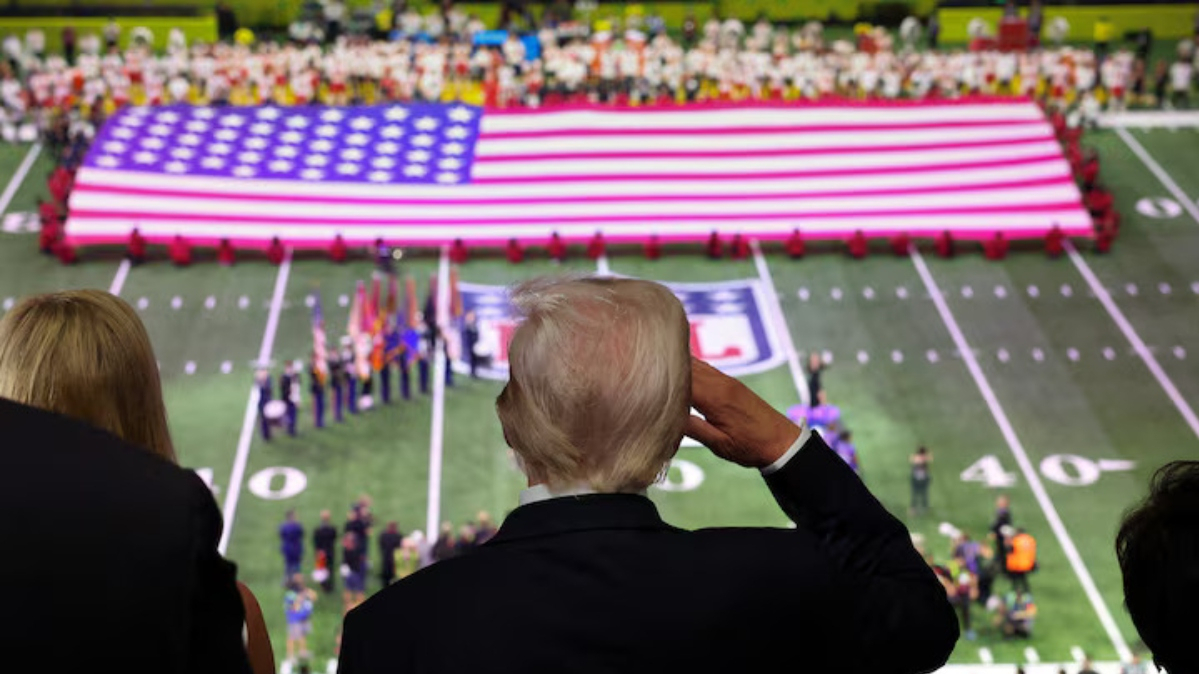
U.S. President Donald Trump has said he will not attend the National Football League’s Super Bowl on 8 February, citing the distance to the venue as the main reason.
The game is set to be played at Levi’s Stadium in northern California, which Trump described as “just too far away” in an interview with the New York Post published on Saturday.
Trump told the newspaper that he would have considered attending if the journey had been “a little bit shorter”. He made history last year by becoming the first sitting U.S. president to attend a Super Bowl, when the 2025 championship was held in New Orleans.
Since then, Trump has appeared at several high-profile sporting events, including last year’s Daytona 500 NASCAR race and this week’s college football national championship. Both were staged in Florida, a relatively short flight from his Mar-a-Lago resort in Palm Beach, where he often spends weekends. He also attended golf’s Ryder Cup in September when it was held in Bethpage, New York.
In the same interview, Trump said he was unhappy with the NFL’s choice of entertainment for the championship game, which will include a halftime performance by Puerto Rican rapper Bad Bunny and a pre-game appearance by punk rock band Green Day. The president described the selection of Bad Bunny as “absolutely ridiculous”, a view echoed by many of his supporters, who criticised the Spanish-language artist.
Green Day, meanwhile, are known for songs that criticise the “MAGA agenda”, and lead singer Billie Joe Armstrong has publicly supported protests against the Trump administration’s immigration policies. Despite these objections, Trump insisted that the performers were not a factor in his decision to skip the event.
The NFL, along with representatives for Bad Bunny and Green Day, did not immediately respond to requests for comment.
The Super Bowl remains the most-watched annual event in the United States, a position it has held for decades. According to the NFL, last year’s game attracted an average audience of nearly 130 million viewers in the U.S., as well as 62.5 million viewers internationally.

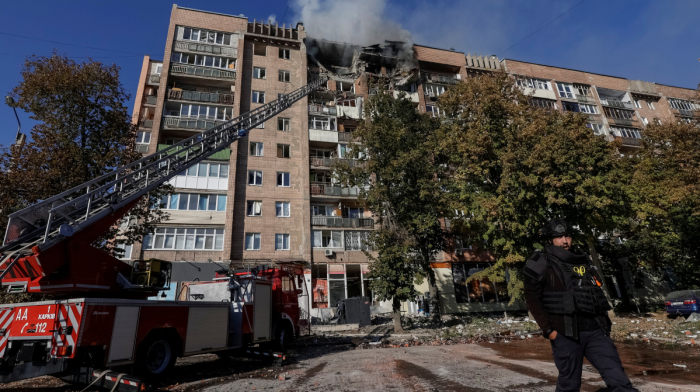
The past 24 hours of the Russia-Ukraine war have seen a drastic escalation in both aerial bombardment and frontline losses.
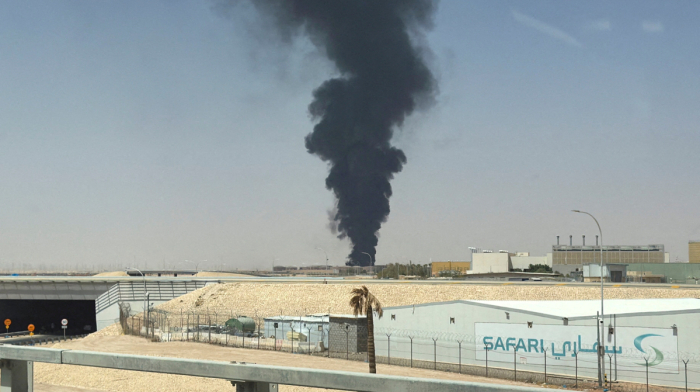
Iran reopened the Strait of Hormuz to commercial shipping on Friday (17 April) for the first time since the U.S. and Israel killed Iran's ex-Supreme Leader in air strikes, triggering the Middle East conflict, at the end of February. A U.S. blockade on Iranian ports, however, remains in force.
Two Indian-flagged ships were shot at in the Strait of Hormuz on Saturday, India's Foreign Ministry said as Iran closed the Strait of Hormuz again, less than 24 hours after reopening the sea passage, which is essential for global trade.
Netflix shares fell sharply on Friday after the streaming group issued a weaker-than-expected outlook and said chairman and co-founder Reed Hastings will step down from the board.
Eight people have died after a helicopter crash in West Kalimantan province, Indonesia. Authorities said contact was lost five minutes after taking off from a plantation area in Melawi.
European countries should expand the role of natural gas in their energy systems to reduce the risk of supply shocks caused by international crises, an energy industry chief has said.
Six people have been killed after a man opened fire in a supermarket in the Ukrainian capital, Kyiv, on Saturday (18 April). Ukraine's Security Service said it was investigating the incident as a "terrorist act."
Bulgaria heads to the polls on Sunday (19 April) for its eighth election in five years, amid mounting public frustration over corruption scandals and repeated government collapses.
The Trump administration extended a sanctions exemption on some Russian oil as prices continue to skyrocket in the wake of the U.S.- Israeli war against Iran on Friday (17 April).
Australia and Japan signed contracts on Saturday (18 April) launching their landmark A$10 billion ($7 billion) deal to supply Australia with warships, Tokyo's most consequential military sale since ending a military export ban in 2014.
You can download the AnewZ application from Play Store and the App Store.
What is your opinion on this topic?
Leave the first comment